Read Time
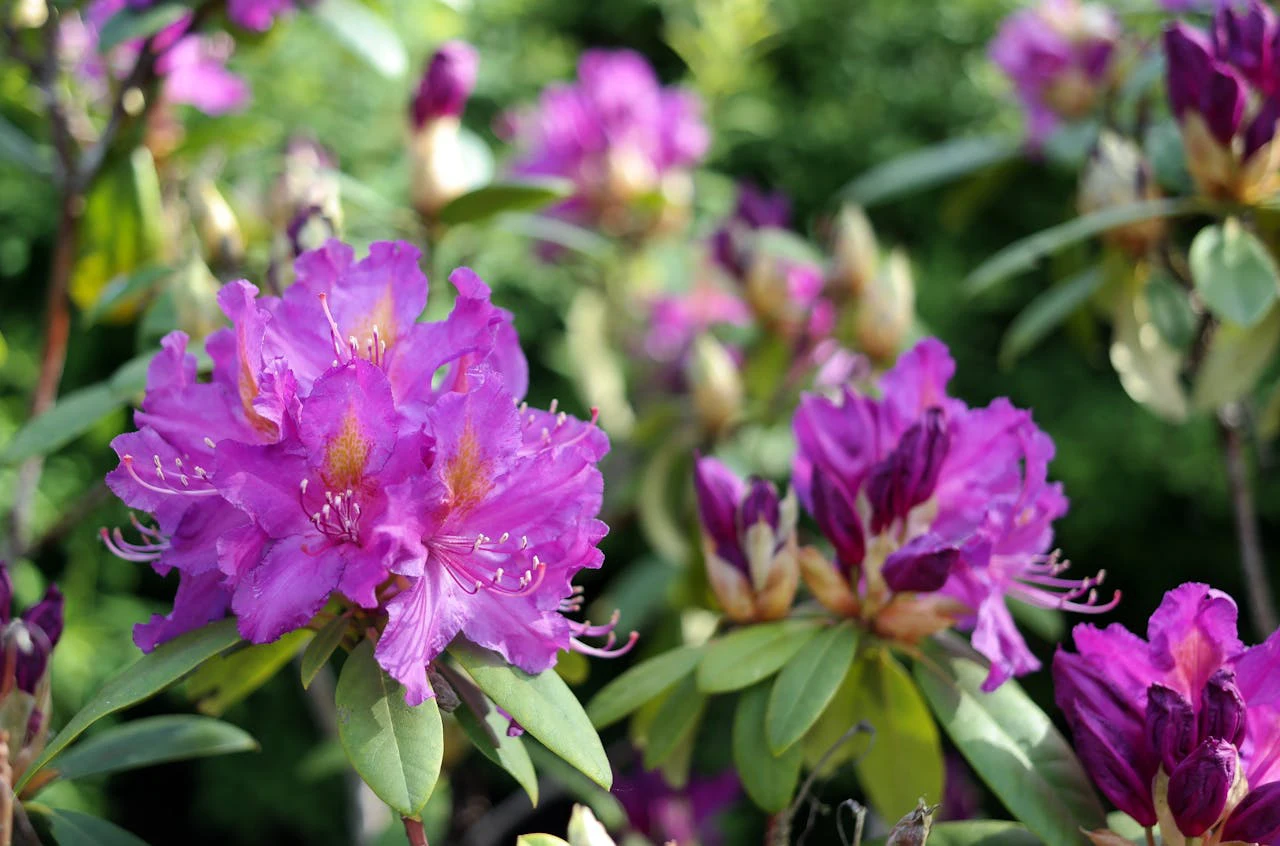
I have to tell you, there is absolutely nothing quite like stepping onto a Himalayan trail and finding yourself completely surrounded by a sea of vibrant red, pink, and white blooms. When the national flower of Nepal, the Laligurans (Rhododendron), bursts into color against the backdrop of snow-capped, jagged peaks, it genuinely feels like you’ve walked into a painting.
If you are craving an adventure that combines mind-blowing scenery with deep cultural connections, you need to experience the magic of Rhododendron forest ecosystems for yourself. But as we explore these fragile environments, it is crucial that we do so mindfully. Let’s dive into the ultimate guide to experiencing these vibrant Rhododendron trails of Nepal!
Best Season to Witness Rhododendrons in Nepal
Timing is everything! If you want to see the forests at their absolute peak, you need to plan for Spring time treks in Nepal.
- Early Spring (March): The blooms start at the lower elevations (around 2,000 meters). You’ll see deep, fiery reds dominating the landscape.
- Mid-Spring (April): This is the sweet spot. The blooms move higher up the mountainsides, transitioning into stunning pinks and purples. The weather is stable, the skies are generally clear, and the forests are incredibly lush.
- Late Spring (May): The blooming reaches the higher alpine altitudes (up to 4,000 meters), showcasing delicate white and light pink flowers before the monsoon season begins.
Top Trails to Experience the Blooms
When I talk to travelers about planning a trip to Nepal, I always tell them the same thing: choosing a trail is like choosing a favorite movie, it entirely depends on the vibe you are looking for! Whether you are hunting for an epic, month-long expedition into the wild or searching for accessible short treks that still deliver jaw-dropping views, Nepal has a trail with your name on it.
Here is a closer look at the absolute best routes to witness the spectacular floral explosion of the Spring time treks in Nepal. Trust me, these are the hikes you will be talking about for the rest of your life:
Ghorepani-Poon Hill Trek
If there is an undisputed king of rhododendron treks, it is Poon Hill. Picture this: you are waking up at 4:00 AM, the air is crisp, and you hike up a stone pathway surrounded by dense, blooming forests. Just as the sun crests the horizon, the entire Annapurna and Dhaulagiri mountain range lights up in gold, perfectly framed by vibrant red rhododendron blossoms in the foreground. It’s perfect if you are tight on time but still want a massive, core-memory-making payoff.
Langtang Valley Trek
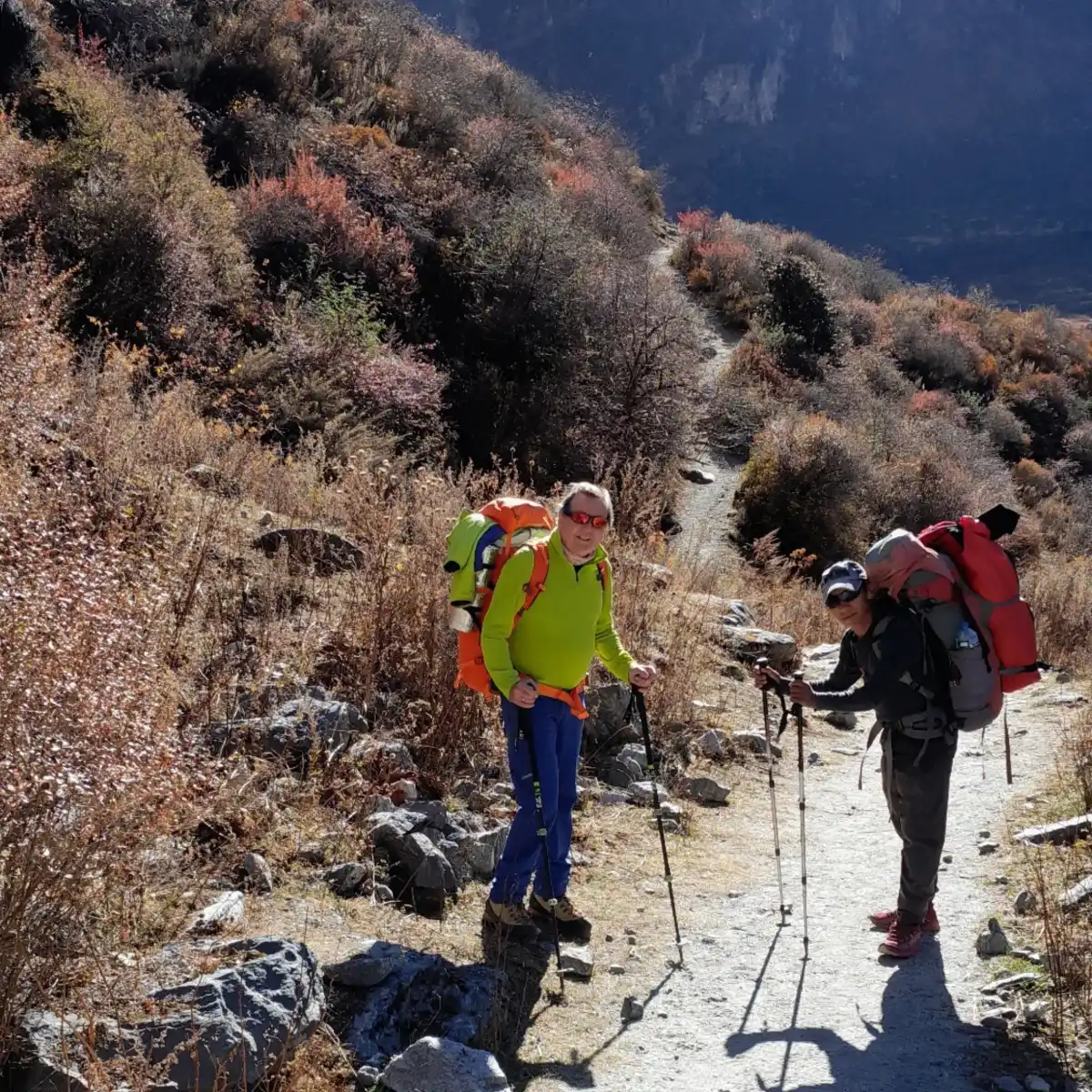
Often called the “Valley of Glaciers,” Langtang holds a very special piece of my heart. It offers a deeply moving and culturally rich journey that feels intimately connected to the local Tamang heritage. The trail beautifully weaves through lush, flower-filled forests humming with bird life, before dramatically opening up into a sweeping, high-alpine landscape surrounded by towering, snow-capped peaks. It is a stunning visual contrast you have to see to believe.
Annapurna Base Camp (ABC)
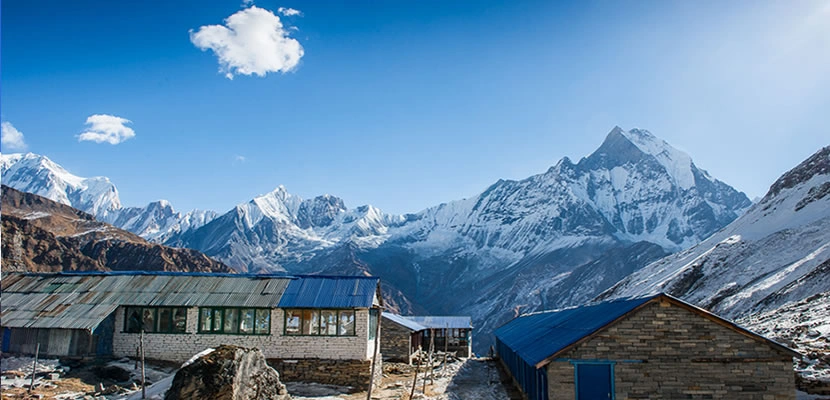
Walking the approach to the Annapurna sanctuary in the spring feels like stepping into a fairy tale. The trail takes you deep into a magical, twisting river gorge draped in thick canopies of pink, red, and white rhododendrons. It’s a gorgeous, steady progression from vibrant, humid forests up into a majestic, stark-white glacial amphitheater. The transition of ecosystems here is absolutely mind-blowing!
Pikey Peak Trek
Looking for a hidden gem? This is it. Tucked away in the lower Everest region, Pikey Peak is famous for offering some of the best panoramic views of Mount Everest in the entire country—and you get it without dealing with the extreme altitude or the massive crowds of the main Khumbu trails. You get to wander through pristine, uncrowded rhododendron woodlands and experience genuine Sherpa hospitality in absolute peace.
Khopra Ridge
If you want to experience the legendary views of the Annapurna region but really want to escape the main tourist foot traffic, Khopra Ridge is your answer. It’s a spectacular, off-the-beaten-path route. Walking along the ridge with sweeping, uninterrupted views of Mount Dhaulagiri while surrounded by blooming forests makes you feel like you have the entire Himalayas entirely to yourself.
Helambu Trek
Don’t have weeks to spend in the mountains? No problem. Located just a short, scenic drive from Kathmandu, Helambu is a fantastic option for a quick, culturally immersive getaway. The trails here are draped in spring colors and heavily dotted with ancient, deeply spiritual Buddhist monasteries. It’s the perfect blend of floral beauty and cultural connection without the intense logistics of deeper mountain ranges.
Manaslu Circuit
Calling all rugged adventurers! The Manaslu Circuit is a restricted-area trek that is rapidly gaining legendary status, and for good reason. Before you ascend into the stark, high-altitude alpine passes, the lower sections of this stunning trail are incredibly lush. Trekking through the Buri Gandaki gorge in the spring means navigating suspension bridges over rushing rivers, completely enveloped by dense, bursting spring colors.
Makalu Base Camp: Deep in the wild, eastern reaches of Nepal, this remote trail offers raw, untouched wilderness. The rhododendron forests inside the Makalu Barun National Park are incredibly diverse and incredibly pristine. If you want a challenging trek that leads you far away from the modern world and straight into the heart of a vibrant, blooming biosphere, Makalu is the ultimate adventure.
Rolwaling Valley
This is a deeply spiritual and beautifully isolated valley where the pine and rhododendron forests feel ancient, untamed, and wild. It’s undeniably a challenging trek reserved for those with a bit of grit, but the pristine nature, vibrant flora, and profound sense of isolation make every single demanding step worth it.
Tradition & Culture in the Rhododendron Trekking Region
Trekking in Nepal is never just about the landscapes; it’s also about the people. The tradition & culture in the Rhododendron trekking region are beautifully intertwined with the natural environment.
As you walk beneath the colorful canopies, you’ll pass intricately carved Mani stones, spinning prayer wheels, and colorful prayer flags fluttering in the mountain breeze. Many of these trails pass through traditional Gurung, Tamang, and Sherpa villages. After a day of trekking, there is nothing better than warming up in a local teahouse, sipping butter tea, and enjoying authentic local dishes. You can even find moments for personal wellness on the trail, whether that’s taking part in a quiet yoga session overlooking the Himalayas or requesting specially prepared, nourishing meals like carefully sourced vegetarian or gluten-free options that fuel your body for the altitude.
The Importance of Sustainable Trekking
Experiencing these pristine environments comes with a responsibility to protect them. Practicing sustainable trekking ensures that these forests remain magical for generations to come.
- Leave No Trace: Carry out all non-biodegradable waste. Bring a durable, zip-top dry bag specifically designated for your daily garbage. This keeps your backpack clean and makes it incredibly easy to store empty snack wrappers, used tissues, and tea tags until you return to a city with proper recycling and waste management facilities.
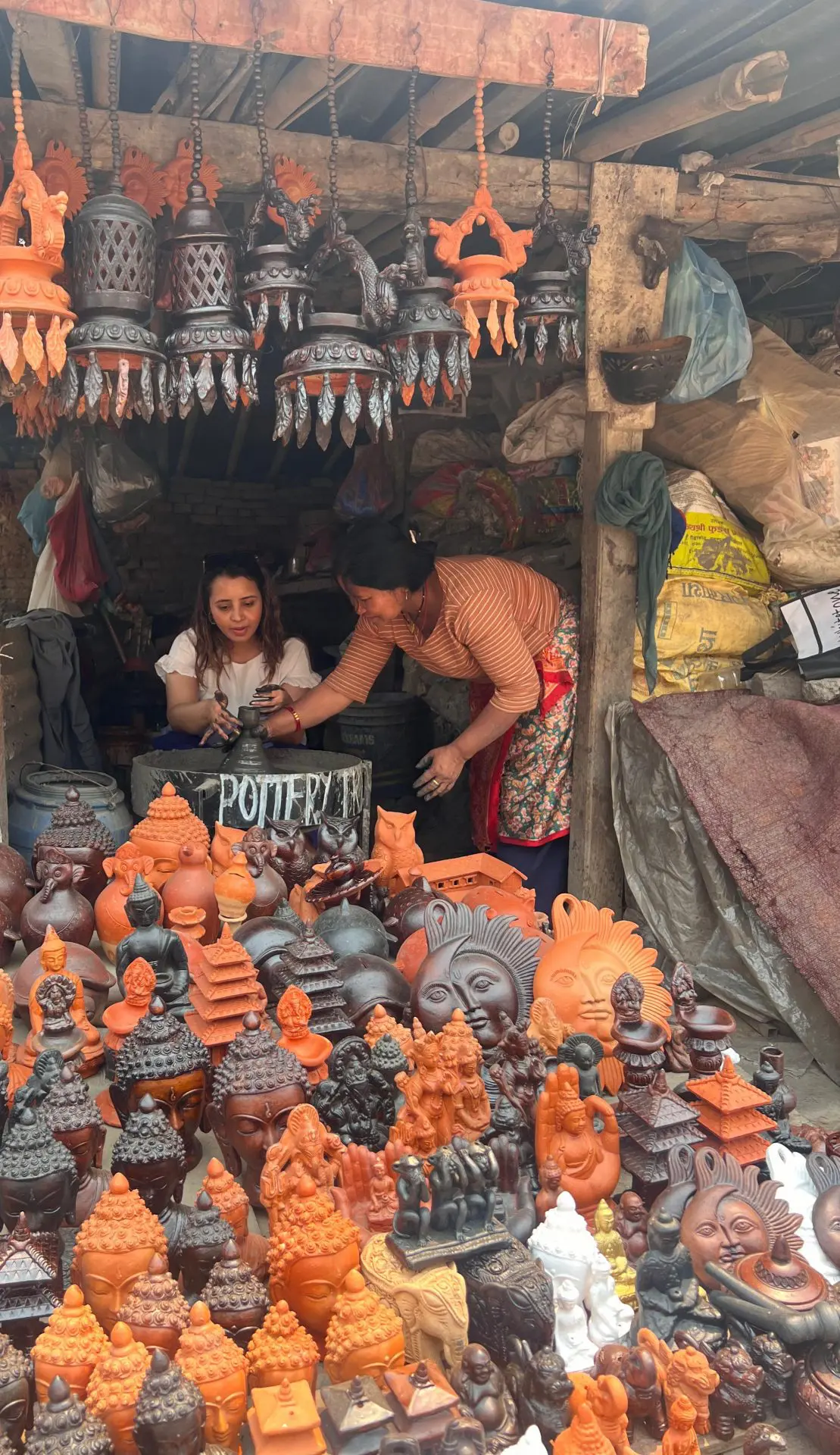
- Empower Local Communities: Real sustainability isn’t just environmental; it’s social, too. Go out of your way to support community tourism. This means buying your souvenirs from local production centers and specifically supporting women-led organizations along your route. When you buy a hand-woven textile or a locally crafted item directly from the artisans, you are directly funding the families who call these mountains home.
- Eat Mindfully (and Locally!): The higher you climb, the harder it is to transport food. A fantastic way to lower your carbon footprint on the trail is to embrace the local, plant-based diet. Sticking to hearty vegetarian meals like traditional Dal Bhat not only fuels you perfectly for the altitude but also requires significantly fewer resources to bring up the mountain compared to meat products. Plus, it is incredibly delicious!
- Tread Lightly Among the Blooms: It is so tempting to snap a branch of vibrant red Laligurans to tuck behind your ear for a photo, but please resist! These ancient trees provide crucial habitats for high-altitude wildlife. Stick strictly to the marked trails to prevent soil erosion, and leave the flowers exactly where they belong so the next trekker can enjoy them just as much as you did.
- Conserve Energy at High Altitudes: The teahouses you’ll stay in rely on limited resources like solar power or firewood. Be a mindful guest: turn off lights when you leave your room, avoid taking excessively long hot showers (which often require burning precious firewood), and pack extra layers so you can stay warm without demanding extra heating.
Frequently Asked Questions (FAQs)
Do I need prior trekking experience to see the rhododendrons?
Not necessarily! Routes like Ghorepani-Poon Hill and Helambu are highly accessible for beginners with a reasonable level of fitness.
Is it cold during the spring trekking season?
At lower altitudes where the rhododendrons bloom, daytime temperatures are quite pleasant (15°C to 20°C). However, mornings and evenings can still be chilly, so layering is key.
Are there different species of Rhododendrons in Nepal?
Yes! Nepal is home to over 30 different species of rhododendrons, varying wildly in color and size depending on the elevation.
Are the trails extremely crowded during the blooming season?
Springtime treks in Nepal are very popular, so famous routes like the Annapurna Base Camp will have a lot of foot traffic. If you want to experience the Magic of the Rhododendron Forest in solitude, we highly recommend off-the-beaten-path routes like Khopra Ridge or the Pikey Peak trek.
What is the food like in the mountain teahouses?
The fuel of the Himalayas is Dal Bhat (a hearty platter of lentil soup, rice, and vegetable curries), and you will eat plenty of it! Teahouses also offer a surprising variety of comforting foods like momos (dumplings), noodle soups, potatoes, and even mountain-baked apple pie.
Can I incorporate wellness or yoga into my trekking itinerary?
Yes! Trekking is inherently a wellness journey, but you can elevate it. Many customized itineraries feature morning yoga practice sessions overlooking the mountains, or integrate singing bowl therapies and Ayurveda-aligned wellness retreats once you return to the Kathmandu Valley.
How can we handle altitude sickness?
Altitude sickness can affect anyone, regardless of age or fitness level. The key is “climb high, sleep low,” staying incredibly hydrated, and walking at a slow, steady pace. Never ignore a headache or nausea. A responsible guide will monitor your oxygen levels daily and know exactly when it’s time to rest or descend.