Read Time
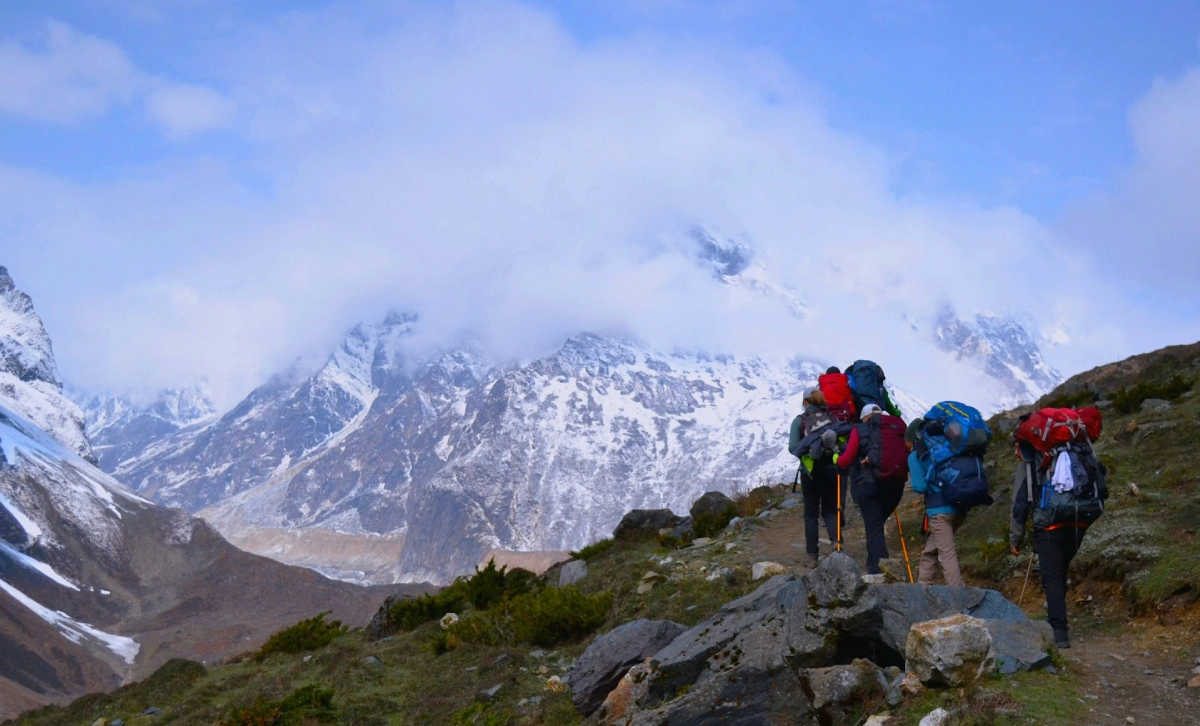
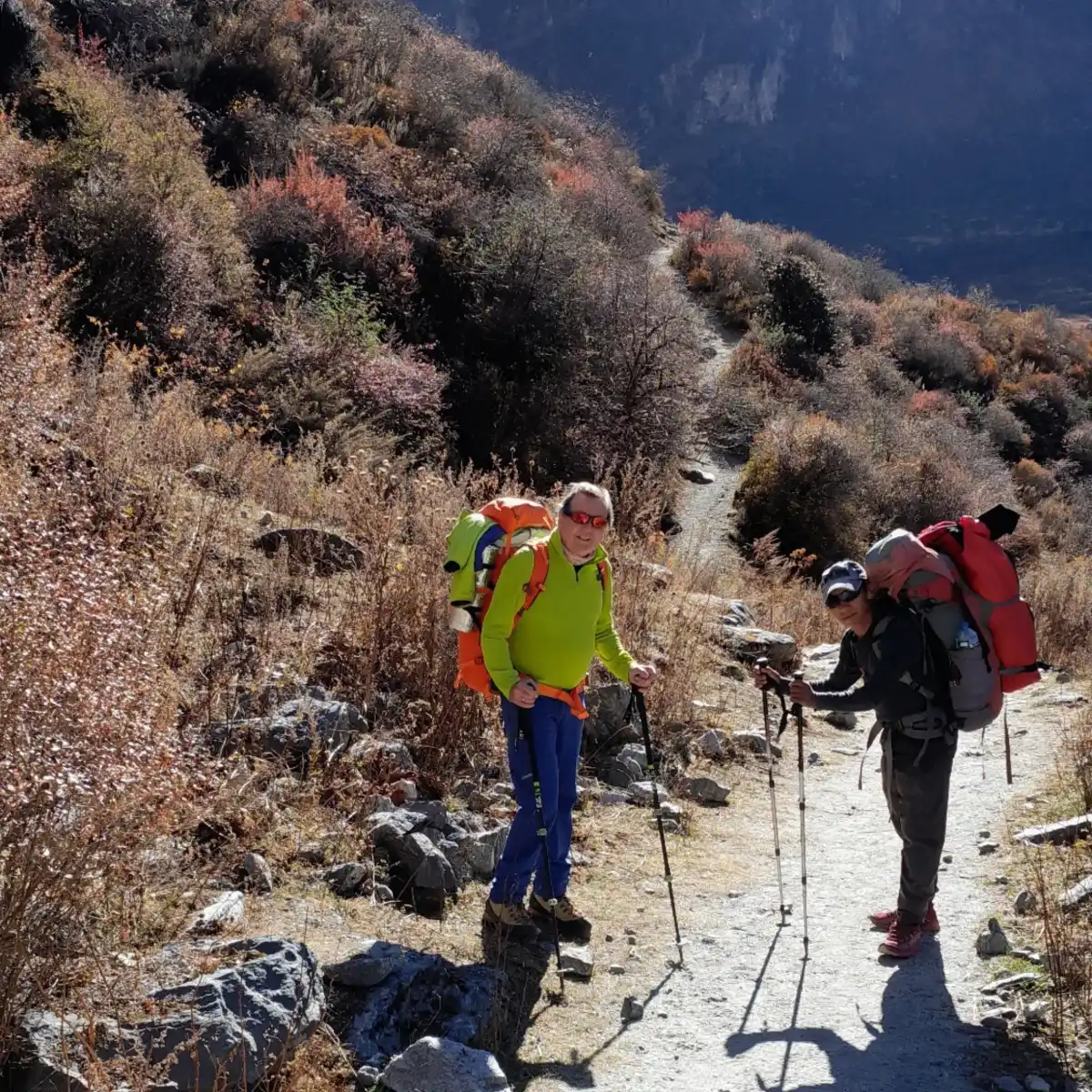
The Manaslu Circuit Trek is a 14–18 day teahouse trek around Mount Manaslu (8,163 m) in Nepal. The route covers approximately 150–177 km. It crosses Larkya La Pass (5,106 m). A licensed guide and special permits are mandatory. Spring and autumn offer the best trekking conditions. Unlike the busier Everest Base Camp and Annapurna Circuit routes, the Manaslu Circuit Trek follows quieter trails. As a result, you’ll experience remote valleys, Tibetan Buddhist villages, and diverse Himalayan landscapes.
The trek reaches its highest point at Larkya La Pass (5,106 m). The pass is physically demanding. However, it rewards trekkers with panoramic views of Manaslu, Himlung Himal, Cheo Himal, and Annapurna II. Because the region is protected, every foreign trekker must travel with a licensed guide. Special permits also help preserve the area’s culture and natural environment.
This Manaslu Circuit Trek Guide explains the route, itinerary, permits, accommodation, costs, fitness requirements, and the best trekking seasons. It also includes practical advice based on local trekking experience.
If you’re looking for a guided adventure, you can also explore our Manaslu Region Trekking itinerary for detailed package information.
What Is the Manaslu Circuit Trek?
The Manaslu Circuit Trek is one of Nepal’s best high-altitude trekking routes. The trek circles Mount Manaslu, the world’s eighth-highest mountain at 8,163 meters. Most trekkers complete the route in 14 to 18 days. The trail covers approximately 150 to 177 kilometers. The highest point is Larkya La Pass at 5,106 meters. This Manaslu Circuit Trek Guide explains the route, itinerary, permits, accommodation, costs, difficulty, and best trekking seasons. The guide also helps you prepare for altitude, fitness, and daily trail conditions.
Why This Manaslu Circuit Trek Guide Is Reliable
This Manaslu Circuit Trek Guide was created by the local trekking team at Euro Asia Treks. Our guides lead treks in the Manaslu region every season. We update this guide using current trail conditions, permit regulations, and accommodation changes. We also review feedback from trekkers after each season.
As a result, the information reflects practical trekking experience, not only online research. Use this guide to compare itineraries, estimate your budget, understand permit requirements, and prepare for trekking above 5,000 meters. For official permit updates, we also recommend checking the Nepal Tourism Board and the Department of Immigration Nepal before your trip.
Manaslu Circuit Trek at a Glance
The Manaslu Circuit Trek is a classic teahouse trek in Nepal. Most itineraries take 14–18 days and cover 150–177 km. The route reaches Larkya La Pass (5,106 m), making it a strenuous high-altitude trek. A licensed guide and special permits are required throughout the journey.
| Detail | Information |
| Trek Type | Teahouse Trek |
| Trek Duration | 14–18 days |
| Trek Distance | Approximately 150–177 km |
| Highest Point | Larkya La Pass (5,106 m) |
| Difficulty | Strenuous |
| Accommodation | Family-run teahouses |
| Licensed Guide Required | Yes (Mandatory) |
| Restricted Area Permit | Required |
| Best Seasons | Spring (March–May) & Autumn (September–November) |
| Estimated Budget | US$700–2,000+ |
This Manaslu Circuit Trek Guide summarizes the essential facts before you start planning.
- Duration: Most itineraries take 14–18 days, including an acclimatization day.
- Distance: The trek covers approximately 150–177 km, depending on the route.
- Highest Point: Larkya La Pass (5,106 m) is the highest elevation.
- Difficulty: The trek is strenuous because of altitude and long walking days.
- Accommodation: Stay in traditional family-run teahouses throughout the route.
- Guide Requirement: A licensed guide is mandatory in the restricted Manaslu region.
- Budget: Most trekkers spend US$700–2,000+, depending on the package.
- Best Seasons: Spring (March–May) and autumn (September–November) offer the best conditions.
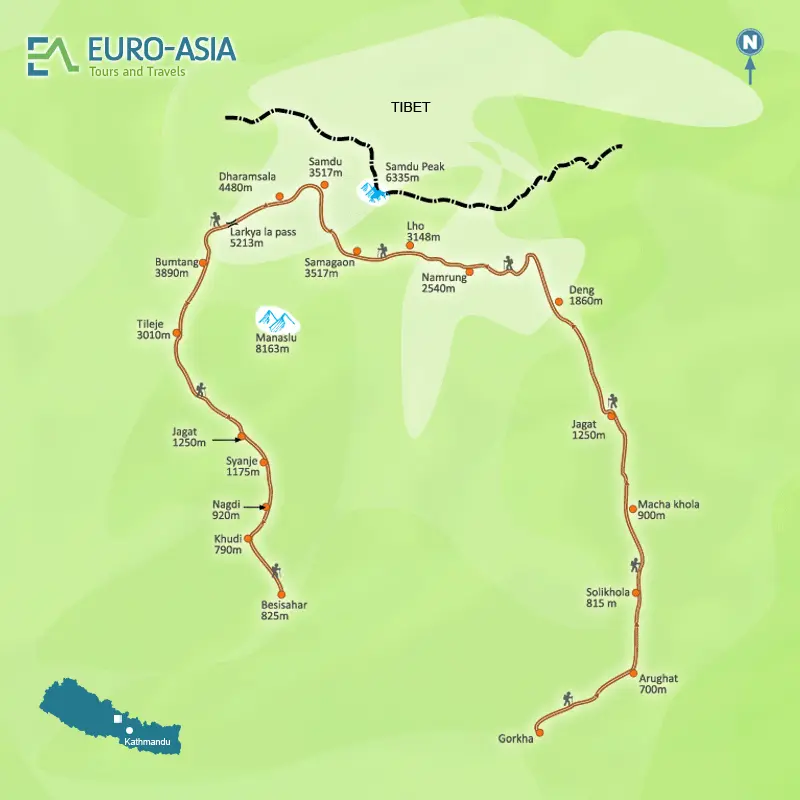
Table of Contents
- What Is the Manaslu Circuit Trek?
- Why Choose the Manaslu Circuit Trek?
- Who Should Choose the Manaslu Circuit Trek?
- Manaslu Circuit Trek vs Everest Base Camp vs Annapurna Circuit
- Manaslu Circuit Trek Route & Itinerary (Day by Day)
- Route Highlights
- Manaslu Circuit Trek Accommodation & Teahouses Guide
- Manaslu Circuit Trek Cost (Total Budget Breakdown)
- Permits & Restricted Area Rules
- Best Time to Trek Manaslu Circuit
- Difficulty & Fitness Requirements
- Frequently Asked Questions
- Plan Your Manaslu Circuit Trek with Local Experts
What Is the Manaslu Circuit Trek?
The Manaslu Circuit Trek is a high-altitude teahouse trek in Nepal. It circles Mount Manaslu (8,163 m), the world’s eighth-highest mountain. Most itineraries take 14–18 days and cover 150–177 km.
The route follows the Budi Gandaki Valley before crossing Larkya La Pass (5,106 m). It then descends into the Marsyangdi Valley, where it joins part of the Annapurna region.
Unlike the Everest Base Camp and Annapurna Circuit treks, the Manaslu Circuit is a restricted trekking route. Every foreign trekker must obtain special permits and travel with a licensed guide.
Experience Traditional Tibetan Culture
The upper Manaslu region has strong Tibetan Buddhist influences. Along the trail, you’ll pass ancient monasteries, mani walls, chortens, prayer wheels, and colourful prayer flags. Many villages still follow traditions that have changed little over generations.
Why Many Trekkers Choose the Manaslu Circuit
Our guides lead treks in the Manaslu region every season. Many trekkers choose this route because it offers quieter trails and a more authentic Himalayan experience. Even during spring and autumn, the trail remains less crowded than Everest Base Camp.
A Protected Himalayan Trekking Region
The Manaslu region opened to foreign trekkers in 1992. Today, permit regulations still limit visitor numbers. These rules help protect local communities, preserve Tibetan culture, and reduce tourism pressure.
Diverse Landscapes in One Trek
The scenery changes dramatically as you gain altitude. The trek begins in subtropical valleys and passes through bamboo forests, rhododendron woodlands, alpine meadows, and glacial terrain. Few trekking routes in Nepal offer such varied landscapes within one journey.
Why Choose the Manaslu Circuit Trek?
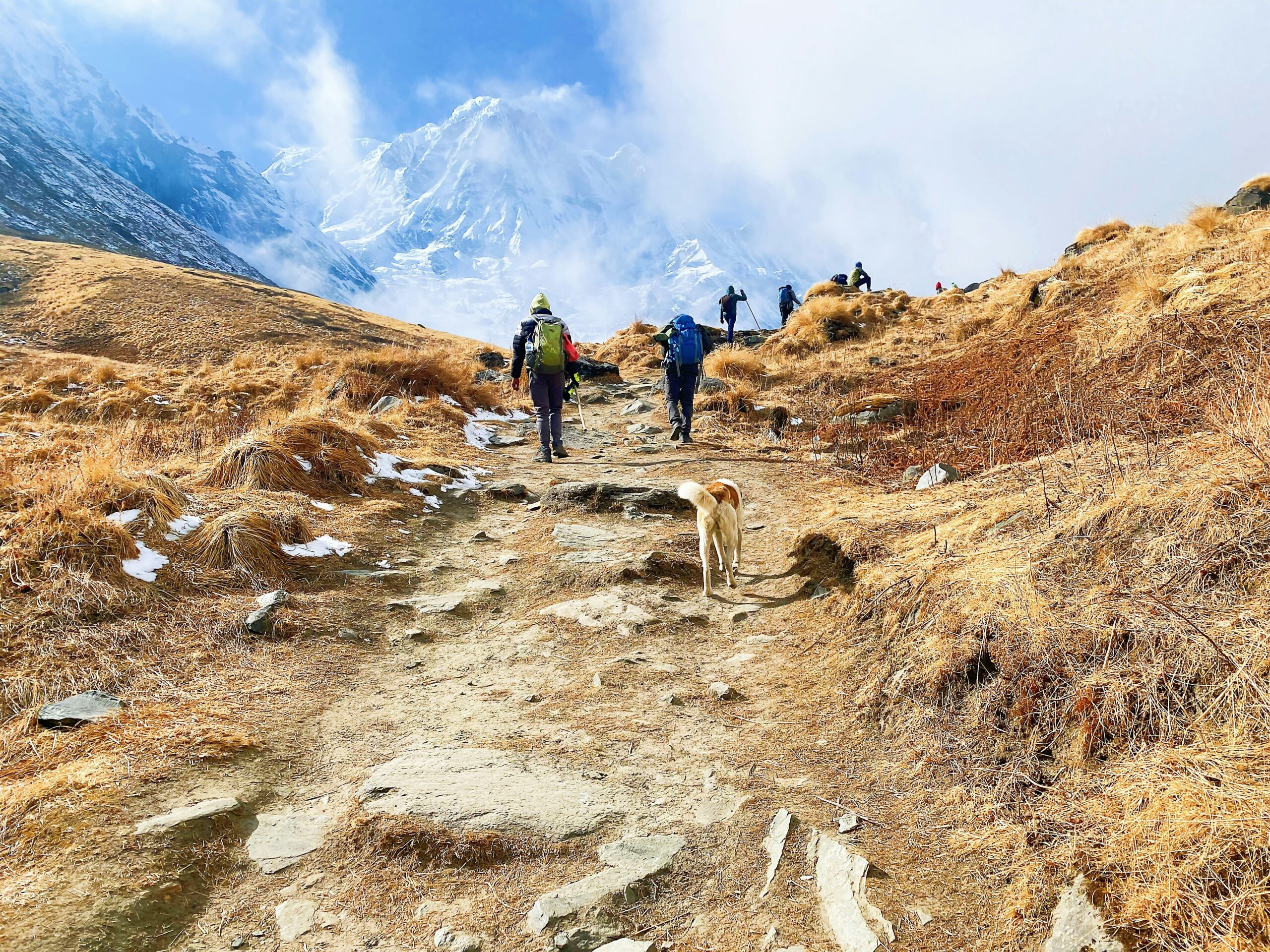
The Manaslu Circuit Trek offers a quieter alternative to Nepal’s busiest trekking routes. It combines remote mountain scenery, Tibetan Buddhist culture, and a challenging high-altitude crossing. As a result, many trekkers choose Manaslu for a more authentic Himalayan experience.
Enjoy Quieter Trails
Unlike Everest Base Camp and parts of the Annapurna Circuit, the Manaslu trail remains less crowded. You’ll spend more time in nature and enjoy a slower trekking pace. This creates a more peaceful experience throughout the journey.
Experience Tibetan Buddhist Culture
The upper Manaslu region reflects strong Tibetan Buddhist traditions. You’ll visit monasteries, pass mani walls, and see colourful prayer flags. Local communities continue to preserve their customs and way of life.
Trek Through Diverse Landscapes
The scenery changes every few days. The trail begins in subtropical valleys and climbs into alpine terrain. You’ll also cross rivers, forests, meadows, glaciers, and high mountain passes.
Cross Larkya La Pass
Larkya La Pass reaches 5,106 meters. It is the highest point of the trek. Although the climb is demanding, the summit rewards you with wide Himalayan views.
Stay in Traditional Teahouses
Family-run teahouses provide accommodation throughout the trek. You’ll enjoy local meals and warm hospitality each evening. Staying with local families adds cultural value to the journey.
Travel in a Protected Region
The Manaslu region is a restricted trekking area. Visitor numbers remain lower because permits and licensed guides are required. These regulations also help protect local culture and the natural environment.
Suitable for Well-Prepared Trekkers
The Manaslu Circuit Trek suits experienced hikers and fit beginners who prepare well. Previous high-altitude experience helps. However, good fitness and proper acclimatization matter more. A steady pace also improves your chances of completing the trek safely.
Not every Himalayan trek suits every traveller. The next section helps you decide whether the Manaslu Circuit Trek matches your fitness, experience, and trekking expectations.
Who Should Choose the Manaslu Circuit Trek?
The Manaslu Circuit Trek suits trekkers who want a quieter Himalayan experience. It combines remote trails, Tibetan culture, and challenging mountain scenery. Good fitness and proper preparation are essential.
Many trekkers choose the Manaslu Circuit Trek because it offers fewer crowds and stronger cultural immersion than Nepal’s busiest trekking routes.
The trek is a good choice if you:
- Want fewer crowds than the Everest Base Camp Trek.
- Enjoy multi-day hiking in remote mountain regions.
- Want to experience Tibetan Buddhist culture.
- Can walk 5–7 hours each day.
- Prefer authentic teahouses over luxury lodges.
- Are comfortable trekking above 5,000 metres with proper acclimatization.
However, the Manaslu Circuit Trek may not suit you if you:
- Prefer luxury accommodation throughout the trek.
- Want to trek without a licensed guide.
- Have very limited hiking experience.
- Have little time for acclimatization.
- Are uncomfortable with basic facilities at higher elevations.
If you are still comparing trekking routes, the next section shows how the Manaslu Circuit Trek differs from the Everest Base Camp Trek and the Annapurna Circuit.
Manaslu Circuit Trek Route & Itinerary
The Manaslu Circuit Trek follows a gradual route around Mount Manaslu (8,163 m). Most itineraries take 14–18 days. The extra time allows proper acclimatization before crossing Larkya La Pass (5,106 m).
The trek starts with a drive from Kathmandu to Machha Khola. From there, the trail follows the Budi Gandaki River through forests, mountain villages, and alpine valleys. After crossing Larkya La Pass, the route descends into the Annapurna region before ending at Dharapani.
The table below outlines the classic itinerary followed by most trekking companies.
| Day | Route | Approx. elevation | Walking time |
| 1 | Kathmandu → Machha Khola | 869 m | Drive, 7–8 hrs |
| 2 | Machha Khola → Jagat | 1,340 m | 6–7 hrs |
| 3 | Jagat → Deng | 1,860 m | 6–7 hrs |
| 4 | Deng → Namrung | 2,630 m | 5–6 hrs |
| 5 | Namrung → Lho | 3,180 m | 3–4 hrs |
| 6 | Lho → Samagaon | 3,530 m | 3–4 hrs |
| 7 | Samagaon (acclimatization day, side trip to Manaslu Base Camp or Birendra Lake) | 3,530 m | 4–6 hrs (optional) |
| 8 | Samagaon → Samdo | 3,875 m | 3–4 hrs |
| 9 | Samdo → Dharmasala (Larke Phedi) | 4,460 m | 3–4 hrs |
| 10 | Dharmasala → Larkya La Pass → Bimtang | ~5,106 m pass / 3,720 m Bimtang | 8–9 hrs |
| 11 | Bimtang → Gho / Tilje | ~2,300 m | 6–7 hrs |
| 12 | Tilje → Dharapani | 1,900 m | 3–4 hrs |
| 13 | Dharapani → Kathmandu (via Besisahar) | — | Drive, 8–9 hrs |
What Is the Hardest Day of the Trek?
The crossing of Larkya La Pass is the most demanding day. Most trekkers begin before sunrise to avoid strong afternoon winds. The climb is steep, and the thin air increases physical effort.
However, the summit rewards you with panoramic views of Mount Manaslu, Himlung Himal, Cheo Himal, Kang Guru, and Annapurna II.
Why Does the Itinerary Include an Acclimatization Day?
The acclimatization day at Samagaon helps your body adjust to higher elevations. It also reduces the risk of altitude sickness before the pass crossing. Most trekkers use this day to visit Manaslu Base Camp or Birendra Lake.
With the itinerary explained, the next section looks at the total trekking distance and what you can expect to walk each day.
How Far Is the Manaslu Circuit Trek?
The Manaslu Circuit Trek covers approximately 150–177 km. The total distance depends on your itinerary and starting point. Most trekkers complete the route in 14–18 days, including an acclimatization day.
Daily walking distances range from 10–18 km. However, altitude makes each day more demanding. Above 3,000 metres, most trekkers naturally slow their pace.
Typical Manaslu Circuit Trek Distance
- Standard route: 150–177 km
- Daily walking distance: 10–18 km
- Trek duration: 13–14 trekking days
- With Tsum Valley: 180–215 km (17–18 days)
If you’re short on time, you can choose our Short Manaslu Circuit Trek itinerary, which combines some of the lower trekking days to reduce the overall duration. While this option is more time-efficient, it allows less time for acclimatization and is best suited to experienced trekkers with good fitness.
If you have more time, consider adding Tsum Valley to your Manaslu Circuit Trek. This extension adds remote villages, ancient monasteries, and deeper Tibetan Buddhist culture. It also extends the itinerary to 17–18 days.e.
Understanding the distance is only part of planning. Next, we’ll explore the route highlights that make the Manaslu Circuit Trek one of Nepal’s most rewarding adventures.
Manaslu Circuit Trek Route Highlights
The Manaslu Circuit Trek passes through diverse landscapes and traditional Himalayan villages. Each stage offers a different experience. As you gain altitude, the scenery, culture, and terrain change dramatically.
Here are the highlights you’ll experience along the route.
- Machha Khola to Jagat: This section follows the Budi Gandaki River through forests, waterfalls, and suspension bridges. You’ll also pass traditional Gurung villages before entering the Manaslu Conservation Area.
- Deng to Namrung: The landscape changes as you climb higher. Tibetan Buddhist culture becomes more visible. You’ll see mani walls, prayer wheels, chortens, and centuries-old monasteries.
- Lho to Samagaon: Many trekkers consider this the most scenic section. You’ll enjoy clear views of Mount Manaslu. You can also visit Ribung Monastery and walk through peaceful yak pastures.
- Samagaon to Samdo: Trees gradually disappear at higher elevations. Instead, you’ll walk through wide alpine valleys and glacial landscapes. The trail also offers impressive views near the Tibetan border.
- Larkya La Pass (5,106 m): Larkya La Pass is the highest point of the Manaslu Circuit Trek. The climb starts before sunrise on most itineraries. However, the summit rewards you with panoramic views of Mount Manaslu, Himlung Himal, Cheo Himal, Kang Guru, and Annapurna II.
- Bimtang to Dharapani: After crossing the pass, the trail descends through rhododendron and pine forests. Eventually, it joins the Annapurna Circuit before reaching Dharapani.
Why the Manaslu Circuit Trek Itinerary Is Designed This Way
Many first-time trekkers notice that daily walking distances become shorter at higher elevations. This change supports proper acclimatization, not easier trekking.
This Manaslu Circuit Trek Guide explains why the itinerary becomes shorter as altitude increases.
Above 3,000 metres, oxygen levels decrease significantly. Therefore, your body needs more time to adjust. Shorter trekking days help reduce the risk of Acute Mountain Sickness (AMS).
Although you’ll walk fewer kilometres, the trail often feels more demanding. Every step requires more effort in thinner air. For this reason, experienced guides recommend a slow and steady pace.
Our guides also encourage trekkers to drink plenty of water and avoid rushing. Following the planned itinerary improves safety and increases your chances of reaching Larkya La Pass successfully.
Proper acclimatization is only one part of the journey. Next, you’ll discover how the landscape changes throughout the Manaslu Circuit Trek.
Now that you’ve explored the route highlights, the next section explains where you’ll stay during the trek. You’ll also learn what facilities to expect in Manaslu teahouses.
Manaslu Circuit Trek Accommodation & Teahouses Guide
Accommodation on the Manaslu Circuit Trek is simple, comfortable, and locally operated. Most trekkers stay in family-run teahouses throughout the journey. However, facilities become more basic as you gain altitude.
This Manaslu Circuit Trek Guide explains what to expect from teahouses at every stage of the route.
Teahouses provide a bed, freshly prepared meals, and a shared dining area. Although they are not luxurious, they offer an authentic Himalayan experience.
This guide explains what to expect, how facilities change with altitude, and how to choose the right teahouse.
What Is Accommodation Like on the Manaslu Circuit Trek?
Every overnight stay on the Manaslu Circuit Trek is in a family-run teahouse. Most rooms include two single beds, blankets, and pillows. Bathrooms are usually shared, especially at higher elevations.
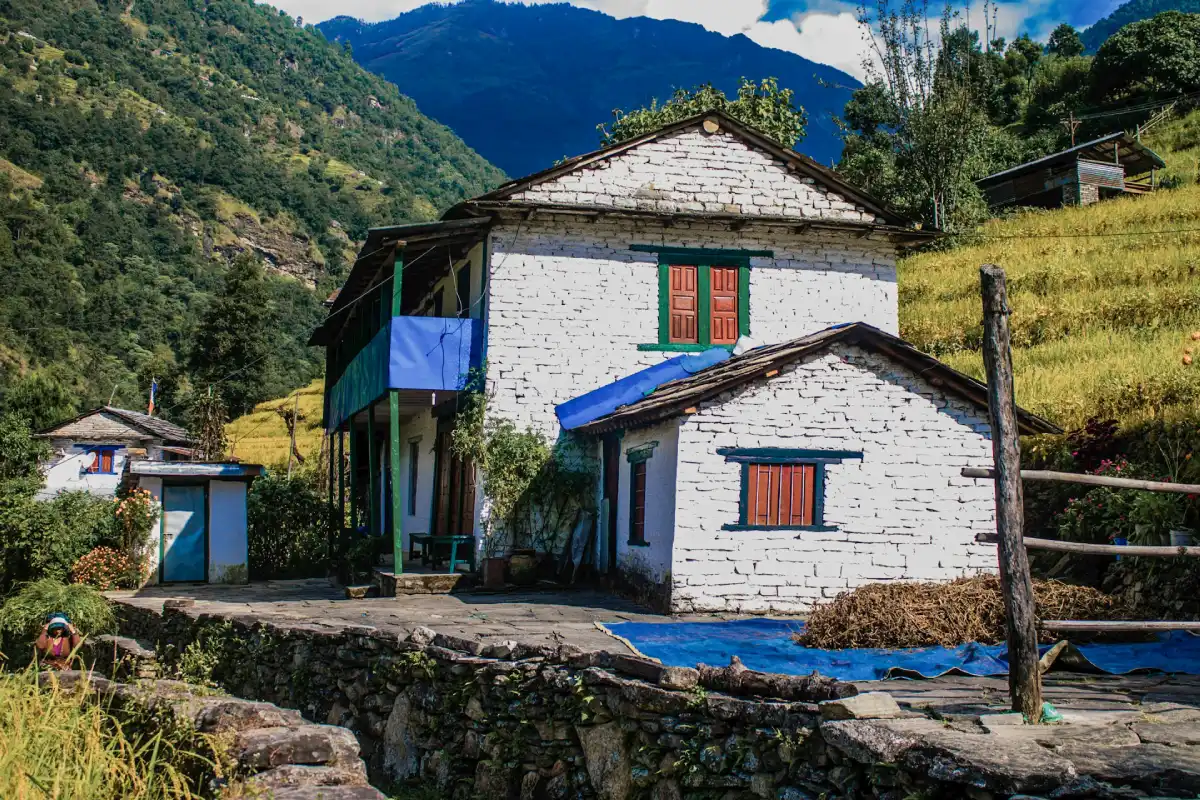
Meals are prepared fresh each day. Most trekkers gather in the dining hall during the evening. It is usually the warmest room in the lodge.
Camping is still possible. However, most trekkers choose teahouses because they are more convenient and affordable.
Manaslu Circuit Trek Teahouse Facilities by Altitude
Comfort decreases gradually as you gain elevation. Below is a realistic facilities snapshot for the main overnight stops:
| Village | Elevaton | WiFi | Hot shower | Private bathroom | Heating | Approx. price/night (2026) |
| Machha Khola | 869 m | Sometimes | Yes | Sometimes | No | $3–5 |
| Jagat | 1,340 m | Yes | Yes | Sometimes | No | $3–5 |
| Namrung | 2,630 m | Yes | Yes (paid) | Sometimes | Sometimes | $5–8 |
| Lho | 3,180 m | Inconsistent | Paid | Rare | Rare | $5–8 |
| Samagaon | 3,530 m | Yes, inconsistent | Paid | Rare | No | $5–10 |
| Samdo | 3,875 m | Rare | Rare, cold water is more likely | No | No | $5–10 |
| Dharmasala (Larke Phedi) | 4,460 m | No | No | No | No | $7–10 |
| Bimtang | 3,720 m | Rare | Sometimes | No | Sometimes | $5–8 |
| Dharapani | 1,900 m | Yes | Yes | Sometimes | Yes | $5–8 |
Accommodation prices are only part of your daily budget. Food, hot showers, WiFi, charging electronic devices, and drinks are usually charged separately, especially at higher elevations where supplies are more difficult to transport.
What Changes Above 3,500 m?
Facilities become more limited above 3,500 metres. Supplies reach these villages by porter, mule, or yak. As a result, accommodation becomes simpler and daily costs increase.
Above Samagaon, you can expect:
- Hot showers become less common.
- WiFi becomes slower or unavailable.
- Device charging usually costs extra.
- Shared toilets replace private bathrooms.
- Bedrooms become colder at night.
- Menu choices become more limited.
Despite these changes, many trekkers enjoy the quieter atmosphere and genuine local hospitality.
Where Are the Best Places to Stay?
Every village along the Manaslu Circuit Trek has several family-run teahouses. While the facilities are generally similar, some lodges stand out for their cleanliness, food quality, friendly service, or stunning mountain views. Based on our guiding experience and feedback from trekkers, here are some of the best places to stay along the route.
Jagat
Jagat has several comfortable teahouses offering similar facilities, so most trekkers don’t need to search for a particular lodge. Your guide will usually choose the best available option based on room availability and current trail conditions.
Namrung
Namrung is one of the most comfortable overnight stops before reaching higher altitudes. Several newer teahouses offer cleaner rooms, better dining halls, and more reliable hot showers, making them a popular place to relax after several long trekking days.
Lho
Many trekkers consider Lho one of the most scenic villages on the entire route. If possible, ask your guide for a room facing Mount Manaslu you’ll wake up to one of the best sunrise views of the trek.
Samagaon
Samagaon is the largest village on the Manaslu Circuit and the best place to enjoy a little extra comfort before crossing Larkya La Pass. Most trekkers spend two nights here for acclimatization, making comfortable rooms, good food, and friendly service especially important.
Samdo
Accommodation in Samdo is noticeably simpler than in the lower villages. Rooms are basic, but the welcoming atmosphere inside the dining halls often becomes one of the highlights of the evening as trekkers share stories before heading toward Larkya La Pass.
Dharmasala (Larke Phedi)
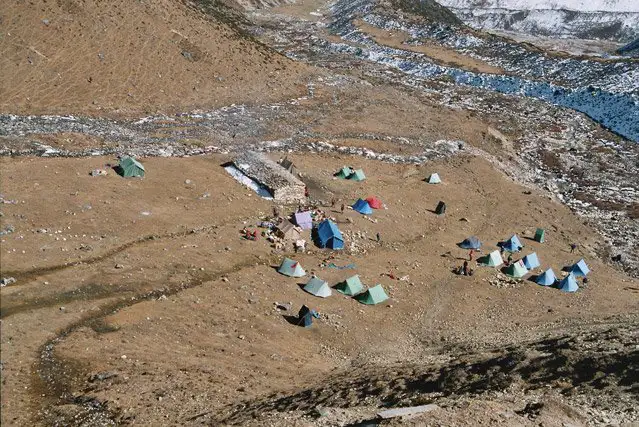
Don’t expect luxury at Dharmasala. This is the final overnight stop before crossing Larkya La Pass, so accommodation is intentionally simple. Most trekkers are simply grateful for a warm meal, a bed, and shelter before starting the early morning climb.
Bimtang
After crossing Larkya La Pass, Bimtang feels surprisingly comfortable. Many trekkers appreciate the larger dining halls, better meals, and more relaxing atmosphere after completing the toughest day of the trek.
Dharapani
Dharapani offers some of the most comfortable accommodation on the entire trek. Reliable electricity, hot showers, and private bathrooms make it the perfect place to celebrate completing the Manaslu Circuit.
Tips for Choosing the Best Teahouse
Although your guide will usually arrange accommodation, there are a few simple ways to improve your experience.
- Arrive early during spring and autumn.
- Eat where you stay to reduce room costs.
- Request an upstairs room for less noise.
- Carry earplugs because walls are thin.
- Bring a sleeping bag liner for extra warmth.
Manaslu Circuit Accommodation Cost Breakdown
Teahouse rooms usually cost US$3–10 per night. However, meals provide most of a lodge’s income. Therefore, many teahouses offer discounted rooms when you eat there.
Most trekkers spend US$20–30 per day on accommodation, meals, and hot drinks. Daily costs increase at higher elevations because supplies must be transported by porters or yaks.
Before You Stay in a Manaslu Teahouse
- Carry enough Nepali rupees for the entire trek.
- Expect cash payments only.
- Book early during spring and autumn.
- Your guide usually arranges accommodation each day.
- Be prepared to share a room during busy periods.
Accommodation is only one part of your trekking budget. Next, we’ll break down the total Manaslu Circuit Trek cost, including permits, guides, transport, and daily expenses.
Manaslu Circuit Trek Cost (Total Budget Breakdown)
The Manaslu Circuit Trek typically costs between USD 700 and USD 2,000 per person. Your final budget depends on permits, guide fees, transport, accommodation, meals, and whether you hire a porter.
This Manaslu Circuit Trek Guide uses current permit fees and typical trekking expenses for 2026
Because the Manaslu region is a restricted area, you cannot organize every expense independently. Permit rules require a registered trekking agency and a licensed guide. As a result, package prices often provide better value than arranging services separately.
The table below shows the typical expenses you’ll need to consider when planning the Manaslu Circuit Trek.
| Item | Typical cost (2026) |
| Manaslu Restricted Area Permit (RAP) | $70–100 per person, season-dependent |
| Manaslu Conservation Area Permit (MCAP) | ~$30 per person |
| Annapurna Conservation Area Permit (ACAP) | ~$30 per person |
| Tsum Nubri Rural Municipality entrance fee | NPR 1,000 (~$7–8) |
| Licensed guide | $25–35 per day |
| Porter (optional) | $20–25 per day |
| Accommodation + food (combined) | $20–30 per day |
| Kathmandu–Machha Khola–Kathmandu transport | $60–120 round trip, depending on jeep vs. bus |
How Much Cash Should You Carry?
Most teahouses only accept Nepali Rupees. Card payments are not available along the trail. Therefore, withdraw enough cash before leaving Kathmandu. We recommend carrying an extra USD 150–300 for hot showers, WiFi, device charging, snacks, drinks, and tips. This amount usually covers personal expenses throughout the trek.
| Budget tier | Approx. total (13–14 days, excluding international flights |
| Independent, budget-conscious (no porter) | $700–900 |
| Mid-range, guided | $1,000–1,400 |
| Full-service guided package (guide + porter + all logistics) | $1,400–2,000+ |
After organizing Manaslu Circuit Treks for many years, we’ve found that mid-range packages offer the best balance of safety, comfort, and value.
According to the Department of Immigration Nepal, Restricted Area Permit fees vary by season. Always check the latest regulations before booking your trek.
What Does a Typical Manaslu Circuit Trek Package Include?
Most guided Manaslu Circuit Trek packages include the essential services needed for a safe and comfortable journey. While inclusions vary between trekking companies, a standard package usually covers:
- Airport transfers in Kathmandu
- Licensed English-speaking trekking guide
- Required permits (RAP, MCAP, and ACAP)
- Teahouse accommodation during the trek
- Ground transportation between Kathmandu and the trailhead
- Three meals per day during the trek (depending on the package)
Some premium packages also include a porter, accommodation in Kathmandu, and private jeep transportation, while budget packages may require you to pay separately for meals, hot showers, WiFi, charging devices, and personal expenses
Hidden Manaslu Circuit Trek Costs
Even if you book a complete trekking package, you should still budget for personal expenses during the trek. Small daily costs such as hot showers, WiFi, charging electronic devices, drinks, and snacks can quickly add up over two weeks.
Common extra costs include:
| Extra Expense | Typical Cost |
| Hot shower | US$2–5 |
| WiFi | US$2–5 |
| Device charging | US$1–4 |
| Drinking water | US$1–3/day |
| Snacks & soft drinks | US$2–10/day |
| Tips for guide & porter | US$80–150 total |
| Travel insurance | US$80–200 |
| Personal shopping | Varies |
Travel insurance and safe drinking water are essential for every trekker. Everything else depends on your personal travel style, but setting aside extra spending money will make your journey much more comfortable.
Most trekkers find that carrying an additional US$150–300 in cash is enough to cover personal expenses such as snacks, hot showers, WiFi, charging devices, drinks, and tips.
Can You Trek the Manaslu Circuit on a Budget?
Yes. Joining a small group lowers guide and transport costs. Renting gear in Kathmandu also reduces your overall budget. However, never cut costs by skipping insurance or acclimatization days.
How to Reduce Your Trekking Cost
Travelling on a budget doesn’t mean compromising your experience. With a little planning, you can reduce the overall cost of the Manaslu Circuit Trek while still enjoying a safe and rewarding adventure.
- Join a small group instead of booking privately.
- Travel during the shoulder seasons.
- Carry reusable water bottles with purification tablets.
- Avoid buying snacks at higher elevations.
- Share transportation costs where possible.
- Rent trekking equipment in Kathmandu instead of buying new gear.
Now that you understand the costs, the next step is knowing which permits you need. In the next section, we’ll explain the required permits, restricted area rules, and guide requirements for the Manaslu Circuit Trek.
Permits & Restricted Area Rules
The Manaslu Circuit Trek passes through one of Nepal’s restricted trekking regions. Therefore, every foreign trekker must obtain special permits before entering the trail. A registered Nepali trekking agency must arrange these permits. In addition, a licensed guide is mandatory throughout the trek.
Fortunately, most trekking agencies arrange every permit before you leave Kathmandu. Therefore, you won’t need to visit government offices yourself. For official updates, visit the Nepal Department of Immigration or the Nepal Tourism Board.
Planning your budget is only one part of preparing for the Manaslu Circuit Trek. Next, we’ll explain the permits, restricted area rules, and guide requirements you need before starting the trek.
Which Permits Do You Need for the Manaslu Circuit Trek?
Permit regulations are managed by Nepal’s Department of Immigration. Conservation permits also support protected areas and local communities through the National Trust for Nature Conservation (NTNC).
- Manaslu Restricted Area Permit (RAP). The Restricted Area Permit (RAP) is the most important permit for the Manaslu Circuit Trek. The Manaslu region borders Tibet, so visitor access is carefully regulated by the Nepal Government. The permit helps protect local communities, preserve the region’s unique culture, and manage tourism responsibly. Permit fees vary by season and can only be arranged through a registered Nepali trekking agency.
- Manaslu Conservation Area Permit (MCAP). The MCAP helps fund conservation projects, trail maintenance, and community development throughout the Manaslu Conservation Area. Every foreign trekker must obtain this permit before entering the protected region.
- Annapurna Conservation Area Permit (ACAP). Most Manaslu Circuit itineraries finish in the Annapurna Conservation Area after crossing Larkya La Pass. Because of this, an ACAP permit is also required before completing the trek.
- Tsum Nubri Rural Municipality entrance fee. In addition to the national trekking permits, trekkers pay a small local entrance fee to the Tsum Nubri Rural Municipality. This revenue supports local infrastructure, community projects, and tourism management within the region.
Is a Licensed Guide Mandatory?
Yes. A licensed guide is legally required for the Manaslu Circuit Trek.
The Nepal Government introduced this rule to improve visitor safety and protect local communities. Your guide also manages permits, checkpoint registrations, accommodation, and emergency support throughout the trek.
Can You Trek the Manaslu Circuit Solo?
No. Foreign trekkers cannot complete the Manaslu Circuit Trek independently.
However, solo travellers can still join the trek. Most trekking agencies arrange a private trip or match solo trekkers with another traveller to meet permit requirements.
Documents Required for Your Permits
Before your trekking agency can apply for your Manaslu Circuit Trek permits, you’ll normally need to provide the following documents:
- Passport copy
- Nepal tourist visa
- Passport-sized photographs
- Travel dates
- Travel insurance details (recommended)
Most trekking agencies handle the entire application process, allowing you to focus on preparing for the trek rather than dealing with paperwork.
Permit Checklist
Before starting your Manaslu Circuit Trek, double-check that you have everything you’ll need for permit inspections along the route:
- Restricted Area Permit (RAP)
- Manaslu Conservation Area Permit (MCAP)
- Annapurna Conservation Area Permit (ACAP)
- Licensed guide
- Passport
- Cash in Nepali Rupees
Your guide will usually carry the original permits and present them at the official checkpoints throughout the trek. Keep your passport with you, as officials may occasionally ask to verify your identity.
Local Tip: Permit fees and trekking regulations may change. Therefore, confirm the latest requirements with your trekking agency before booking your trip.
Once your permits are arranged, the next step is choosing the best trekking season. Weather affects trail conditions, mountain views, and the safety of crossing Larkya La Pass.
Where Are the Permit Checkpoints?
During the trek, your guide will present your permits at several official checkpoints.
Common checkpoints include:
- Jagat
- Philim
- Namrung
- Samagaon
- Dharapani
Always carry your passport during the trek, as officials may request identification together with your permits.
When Are Permits Checked?
Your guide will usually carry the original permits and present them at official checkpoints throughout the trek. However, keep your passport with you. Officials may ask you to verify your identity.
Best Time to Trek Manaslu Circuit
The best time for the Manaslu Circuit Trek is spring (March to May) and autumn (September to November). These seasons offer stable weather, clear mountain views, and safer conditions for crossing Larkya La Pass.
Winter and the monsoon season are also possible. However, both bring additional challenges. Snow, landslides, and poor visibility can affect the trek.
| Season | Weather | Visibility | Crowds | Recommendation |
|---|---|---|---|---|
| Spring (Mar–May) | Mild | Excellent | Moderate | Best |
| Summer (Jun–Aug) | Rainy | Poor | Low | Not recommended |
| Autumn (Sep–Nov) | Stable | Excellent | High | Best |
| Winter (Dec–Feb) | Cold | Good | Very Low | Experienced trekkers |
Mountain weather can change quickly. Always check the latest forecast from the Department of Hydrology and Meteorology (DHM) before starting your trek.
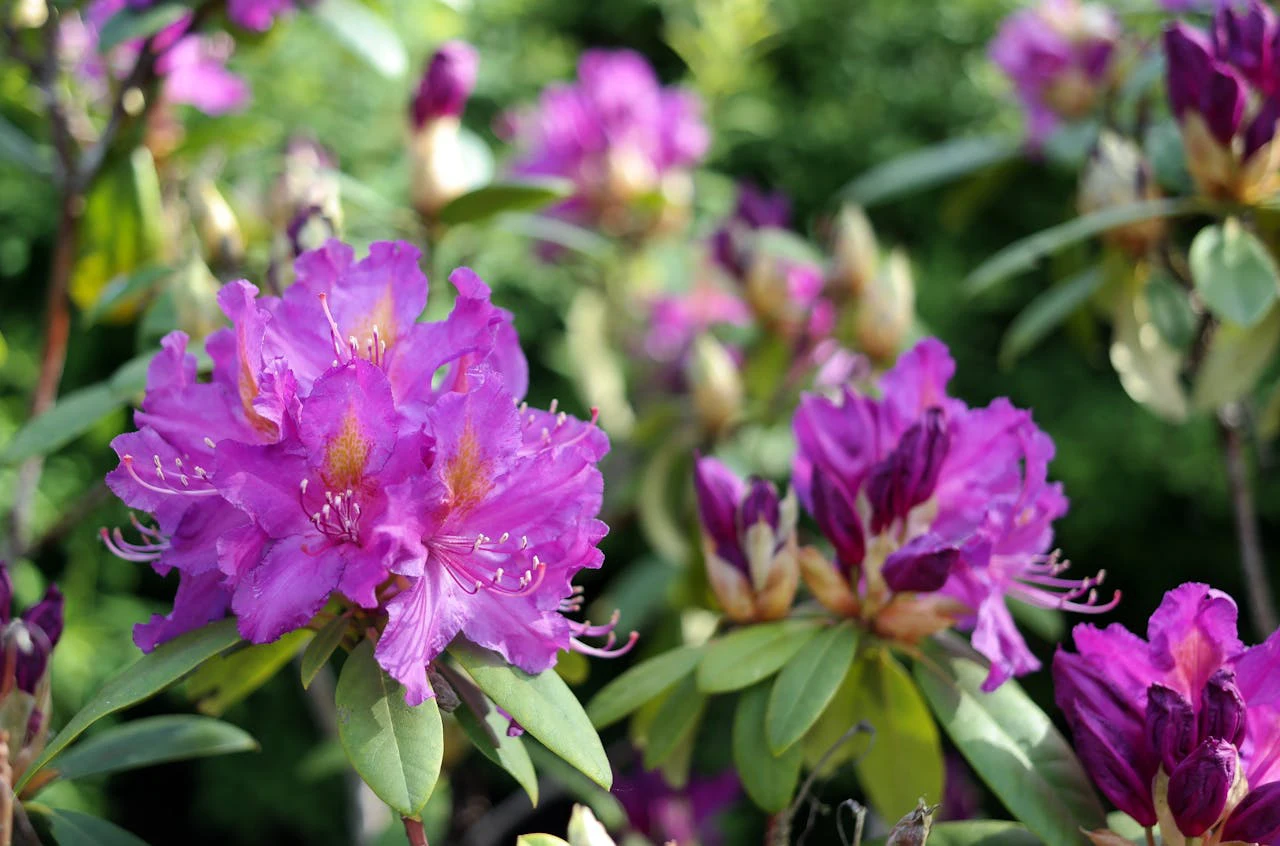
- Spring (March–May): Spring is one of the best seasons for the Manaslu Circuit Trek. Rhododendrons bloom across the lower valleys. Temperatures remain comfortable during the day. In addition, mountain views improve as the season progresses.
- Autumn (September–November): Autumn offers the most stable trekking conditions. Skies are usually clear after the monsoon. As a result, visibility is excellent. This is also the busiest trekking season.
- Winter (December–February): Winter brings cold temperatures and heavy snowfall at higher elevations. Larkya La Pass may close after major snowstorms. Therefore, winter suits experienced trekkers with proper equipment.
- Monsoon (June–August): Heavy rainfall makes trails muddy and slippery. Landslides can affect road access. Clouds also reduce mountain visibility. Therefore, few trekkers choose this season.
During the peak spring and autumn seasons, teahouses fill quickly. Therefore, book your trek early or arrive at each stop before late afternoon. This is especially important in Samagaon, Dharmasala, and Bimthang. For a month-by-month weather breakdown, read our best time for Manaslu Trek guide.
Choosing the right season is only part of your preparation. Next, we’ll explain the fitness level, altitude challenges, and physical preparation needed for the Manaslu Circuit Trek.
Difficulty & Fitness Requirements
The Manaslu Circuit Trek is a strenuous Himalayan trek. However, it does not require technical climbing skills. Good fitness, proper acclimatization, and mental resilience are essential.
This Manaslu Circuit Trek Guide helps you understand the fitness level needed before starting the trek.
Most trekking days involve 5–7 hours of walking. The Larkya La Pass day usually takes 8–9 hours. Above 3,500 metres, thinner air makes every climb feel harder.
Is the Manaslu Circuit Trek Suitable for Beginners?
Yes, beginners can complete the Manaslu Circuit Trek with proper preparation.
Many first-time trekkers finish the route every year. However, they should train before the trek. A gradual itinerary also improves acclimatization. Hiring an experienced guide adds another layer of safety.
How Fit Do You Need to Be?
You do not need to be an athlete. However, you should comfortably handle the following:
- Walk 5–7 hours on consecutive days.
- Climb long uphill and downhill trails.
- Carry a 5–8 kg daypack.
- Hike above 3,500 metres.
- Recover well after several trekking days.
Regular hiking, stair climbing, cycling, running, or other cardio exercises for a few months before your trek will make the journey much more enjoyable.
Can You Prepare for the Manaslu Circuit Trek in Advance?
Yes. Start training 8–12 weeks before your trek. Focus on hiking, stair climbing, cycling, or running. Strength exercises improve leg endurance. Regular cardio also helps at higher altitudes.
Physical fitness is only one part of a successful trek. Next, we’ll explain how altitude affects your body and how to reduce the risk of Acute Mountain Sickness (AMS).
Altitude sickness is the biggest challenge on the Manaslu Circuit Trek.
The risk increases above 3,500 metres. It affects trekkers of all ages and fitness levels. Therefore, never skip the acclimatization day in Samagaon.
Walk at a steady pace throughout the trek. Stay hydrated and avoid climbing too quickly. These habits help reduce the risk of Acute Mountain Sickness (AMS).
Frequently Asked Questions
Is the Manaslu Circuit Trek harder than EBC?
Yes, the Manaslu Circuit Trek is generally considered slightly more challenging than the Everest Base Camp Trek. Although neither trek requires technical climbing skills, the Manaslu Circuit includes the long crossing of Larkya La Pass (5,106 m) and has fewer facilities along the route. Proper acclimatization and good physical fitness are essential for both treks.
Do I need a guide for the Manaslu Circuit Trek?
Yes. A licensed guide is mandatory for all foreign trekkers on the Manaslu Circuit Trek. Nepal Government regulations do not allow independent trekking in the Manaslu Restricted Area, so your permits must be arranged through a registered trekking agency.
What is the accommodation like on the Manaslu Circuit Trek?
Accommodation is provided in traditional family-run teahouses throughout the trek. Rooms are simple but comfortable, usually with twin beds and shared bathrooms. Facilities become more basic as you gain altitude, especially above Samagaon.
Can You Book Teahouses in Advance?
Most teahouses on the Manaslu Circuit do not offer online booking. Rooms are normally arranged by your trekking guide upon arrival. During spring and autumn, it’s best to arrive early, as popular villages can fill up quickly.
How much does accommodation cost on the Manaslu Circuit Trek?
Teahouse rooms usually cost between US$3 and US$10 per night, depending on the village and altitude. Most trekkers should budget around US$20–30 per day for accommodation, meals, and hot drinks combined.
Is WiFi Available on the Manaslu Circuit Trek?
Yes, WiFi is available in some villages, including Jagat, Namrung, and Samagaon. However, the connection becomes slower and less reliable at higher elevations. Hot showers and device charging are usually available for an additional fee.
Is the Manaslu Circuit Trek worth it?
Yes. The Manaslu Circuit Trek offers remote Himalayan scenery, Tibetan-influenced culture, and fewer crowds than Nepal’s busiest trekking routes.
Final Thoughts on the Manaslu Circuit Trek
The Manaslu Circuit Trek rewards trekkers with remote landscapes, Tibetan culture, and one of Nepal’s finest high-pass crossings. Proper planning, gradual acclimatization, and an experienced guide make the journey safer and far more enjoyable.
Although the trek requires careful planning, proper acclimatization, and the necessary permits, the rewards far outweigh the effort. Compared with Nepal’s busier trekking routes, the Manaslu Circuit offers quieter trails, welcoming local communities, and a more authentic mountain experience.
Whether you’re an experienced trekker or preparing for your first Himalayan adventure, choosing the right itinerary and travelling with an experienced local guide will help you enjoy a safer and more memorable journey.
Plan Your Manaslu Circuit Trek with Local Experts
Ready to plan your Manaslu Circuit Trek? Our local team arranges permits, licensed guides, accommodation, transportation, and customized itineraries. Explore our Manaslu Circuit Trek package to see the complete itinerary and pricing, pricing, and everything that’s included before you book.
Need Help Planning Your Trek?
Still have questions about the Manaslu Circuit Trek?
Whether you need help choosing the best itinerary, understanding permit requirements, estimating your budget, or preparing for high altitude, our local trekking experts are happy to help.
Contact us today for free, no-obligation advice and personalised recommendations for your adventure in Nepal.
About the Author
Euro Asia Treks Team
This Manaslu Circuit Trek Guide was written and reviewed by the local trekking experts at Euro Asia Treks.
Our guides regularly lead treks in the Manaslu region. We update this guide using current trail conditions, permit regulations, accommodation standards, and first-hand trekking experience.
Every update aims to provide accurate and practical information for trekkers planning the Manaslu Circuit Trek.
Last updated: July 2026