Read Time
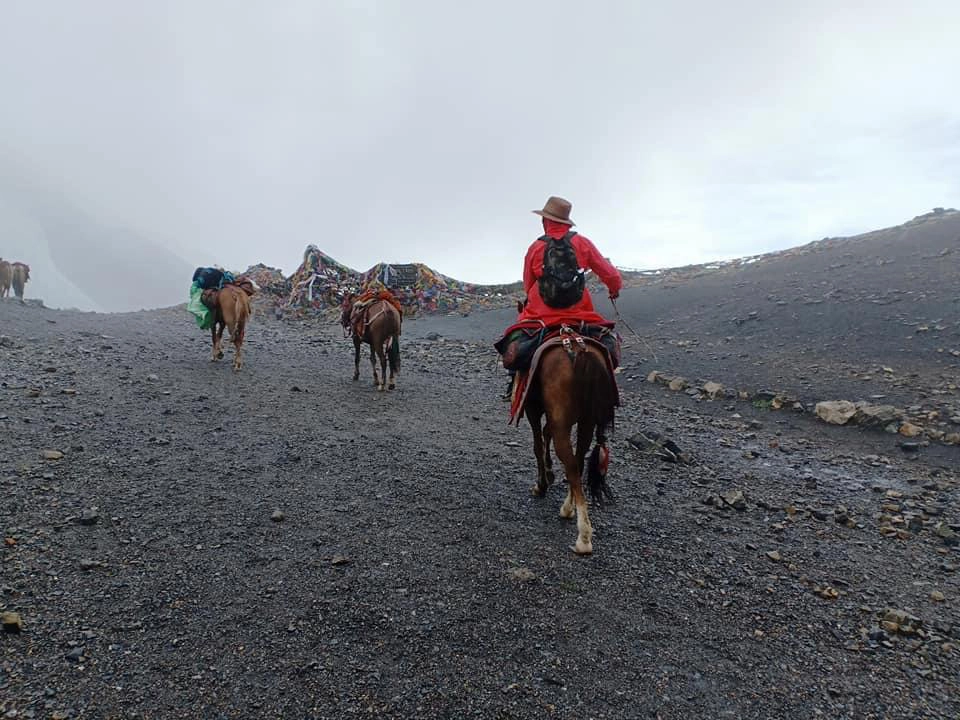
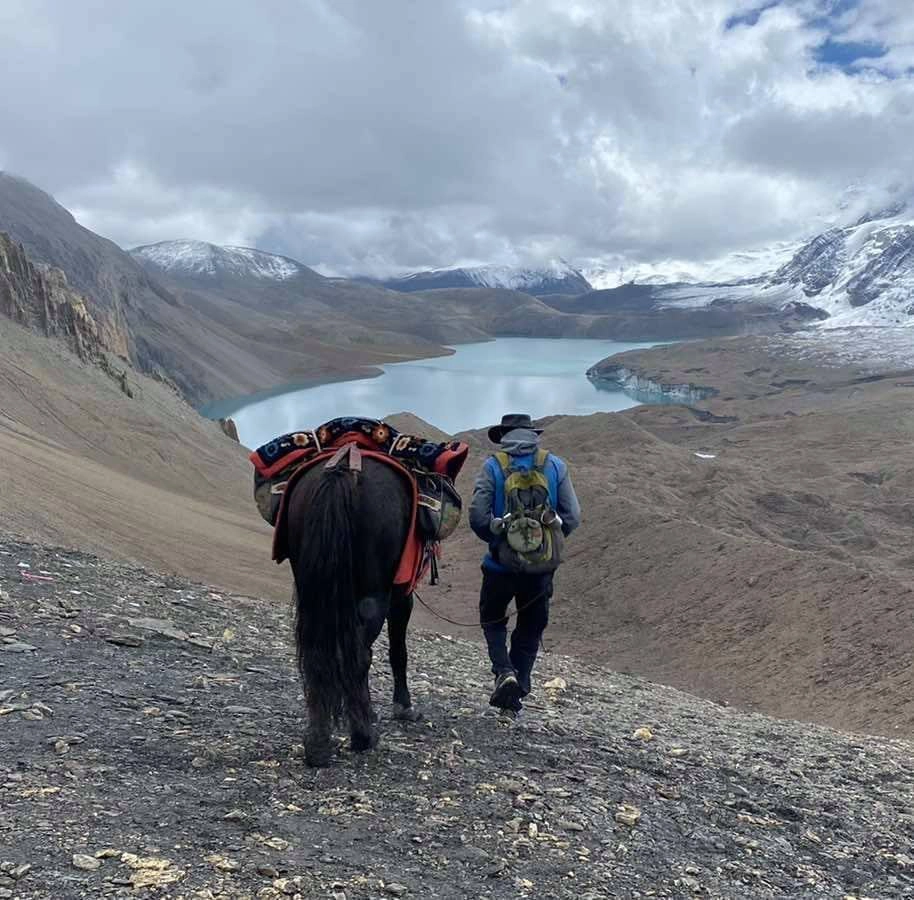
Horse riding in Nepal ranges from short guided outings to multi-day journeys through mountain villages. Short rides offer a taste of travelling on horseback, while longer trips require more preparation and time.
Mustang is one destination to explore, but your route should match your riding experience, fitness, and available days. Some sections may involve walking, so choosing a horse riding trek does not remove every physical challenge. Ask about daily riding hours, terrain, and accommodation before deciding.
This guide covers riding destinations, experience requirements, cost factors, seasons, and practical preparation. You’ll also learn what to check about horses, guides, and equipment. For a Mustang trip, share your preferences and riding background with Euro Asia Tours & Travels before choosing an itinerary.
Horse Riding in Nepal at a Glance
Riding options range from short outings to multi-day mountain journeys. Compare the experience types below before choosing your route.
|
Feature |
Details |
|
Experience types |
Short guided rides, multi-day horse riding treks, and longer expeditions. |
|
Destinations covered |
Mustang mountain journeys, potential Manang routes, and shorter outings around Pokhara and Kathmandu. Availability depends on the operator and itinerary. |
|
Duration |
Depends on the programme. Separate actual riding days from sightseeing and transfer days. |
|
Riding experience |
Requirements depend on terrain, daily saddle time, and the support available. |
|
Walking sections |
Some sections may require dismounting and walking. Ask about their length and difficulty. |
|
Accommodation |
Confirm overnight stops, room arrangements, bathrooms, and available facilities for your chosen itinerary. |
|
Cost factors |
Trip length, group size, horses, handlers, guides, accommodation, meals, transport, and permits. |
|
Equipment |
Confirm helmet availability, sizing, saddle fit, and what you need to bring. |
|
Horse care |
Ask about feeding, water, rest, workload, and how horses are matched with riders. |
|
Before booking |
Request a clear itinerary showing riding hours, walking sections, inclusions, and contingency arrangements. |
What Is a Horse Riding Trek Like in Nepal?
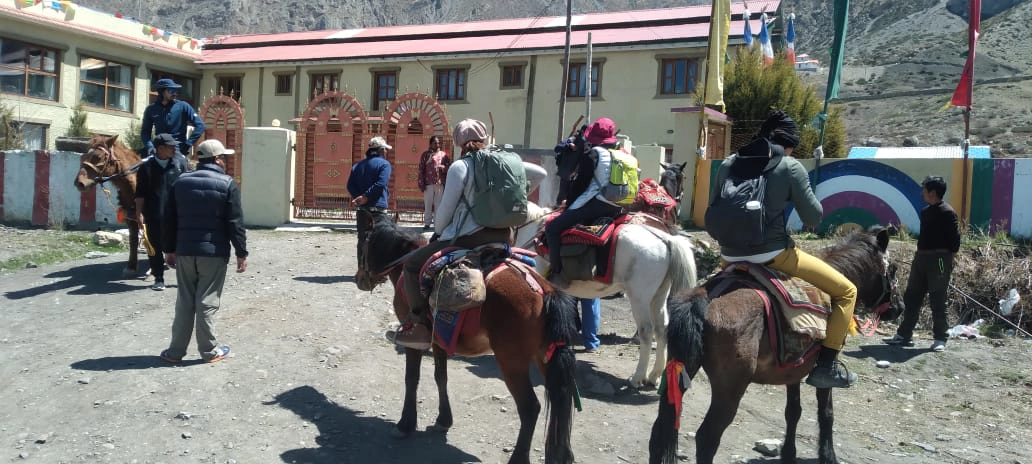
A horse riding trek takes you between villages and overnight stops over several days. Your day combines riding, meal breaks, rest stops, and time to explore along the route. Daily distances depend on the terrain, weather, and the pace suitable for both horses and riders.
Unlike a short recreational ride, a multi-day journey means spending repeated days in the saddle. Uneven ground requires balance and attention, while longer riding hours can leave you tired or sore. Compare the longest riding day with your previous saddle experience, rather than relying only on the trip’s average daily hours.
You may need to dismount and walk where your guide considers riding unsuitable. Your itinerary should explain these sections and the support available. Before booking, understand who leads the ride, who handles the horses, and how your luggage reaches each overnight stop.
Where Can You Go Horseback Riding in Nepal?
Mustang offers multi-day riding routes, while shorter outings are available around Pokhara and through selected operators near Kathmandu. Choose your destination based on the riding experience you want and the time you have.
Mustang — Village Trails and Himalayan Landscapes
Mustang horse riding combines village visits with journeys through river valleys and dry mountain landscapes. Lower Mustang options include routes around Jomsom, Kagbeni, and Muktinath, depending on the programme. Compare overnight stops and riding stages carefully; these places do not form one standard itinerary.
Upper Mustang extends the journey towards destinations such as Lo Manthang, known for its historic walled settlement. The Nepal Tourism Board’s Upper Mustang guide provides background on this region. Keep Lower and Upper Mustang separate when comparing routes, access arrangements, and travel time.
For a planned multi-day trip, explore Euro Asia’s horse riding expedition in Mustang. Ask the team for the confirmed route, daily riding hours, and walking sections before booking. A Mustang horse riding itinerary does not automatically include Upper Mustang or Lo Manthang.
Manang — Riding Through the Annapurna Region
Manang lies within the Annapurna region, but riding arrangements need confirmation for the specific trail. Do not assume a trekking route can be completed entirely on horseback. Our Annapurna region trekking collection introduces walking itineraries for travellers comparing ways to explore the area.
Before choosing Manang, obtain a riding itinerary showing village stops, road sections, walking stretches, and luggage arrangements.
Kathmandu and Pokhara — Shorter Riding Experiences
Shorter outings suit travellers who want to try riding without adding a multi-day mountain journey. Pokhara has dedicated riding providers offering short excursions. Selected operators also advertise countryside riding near Kathmandu, with arrangements depending on the chosen location.
Before booking, ask where the ride starts and how much time you actually spend on horseback. Confirm supervision, helmet availability, horse suitability, and transfers. A short outing can help you assess your comfort, but it cannot establish readiness for a demanding mountain expedition.
How to Choose the Right Horse Riding Experience
Start with your riding background, available time, and comfort with basic accommodation. Then compare actual riding hours and terrain. A longer holiday does not necessarily include more riding, because transfers and sightseeing may occupy several days.
|
Experience |
What to consider |
|
Short guided ride |
Suits a limited schedule. Confirm beginner suitability, supervision, terrain, and actual time on horseback. |
|
Multi-day horse riding trek |
Involves consecutive riding days and overnight stops. Consider saddle comfort, walking sections, and accommodation facilities. |
|
Longer horse riding expedition |
May involve remote routes and more complex logistics. Examine daily stages, rest days, luggage support, and contingency arrangements. |
Compare the longest riding stage, overnight facilities, and options for shortening a day. These details reveal more about suitability than labels such as “easy” or “adventure.”
Do You Need Previous Horse Riding Experience?
Previous riding experience matters more as routes become longer or more demanding. Some supervised short rides may accommodate beginners, but mountain journeys require a separate assessment. Being comfortable on a horse for an hour differs from managing several consecutive riding days.
Give your operator specific details about your experience before booking:
-
When you last rode and how regularly you ride.
-
Whether you have ridden outside an enclosed arena.
-
How many hours you have comfortably spent in the saddle.
-
Your confidence on uneven ground and slopes.
-
Any concerns about mounting, dismounting, or walking sections.
Ask whether horses are led by handlers or whether riders must control them independently. Confirm any age or rider-weight limits directly with the operator. These requirements should reflect the horses, equipment, terrain, and support available.
Riding reduces some walking, but it still requires balance, attention, and physical effort. Choose a route based on an honest assessment of your abilities. If you lack confidence, consider lessons before committing to a multi-day horse riding trek.
When Is the Best Time for Horse Riding in Nepal?
Spring and autumn are useful starting points for planning, but the right season depends on your route and elevation. The Nepal Tourism Board’s climate guide explains Nepal’s regional differences and seasonal patterns.
Spring Riding Conditions
Spring, generally March to May, brings warmer conditions after winter. However, higher routes can remain cold, so confirm trail access for your exact dates. Pack layers you can adjust during riding breaks.
Autumn Riding Conditions
October and November generally offer clearer skies after the monsoon, making autumn appealing for mountain views. Conditions become colder as winter approaches, especially at higher overnight stops. Clear skies do not guarantee suitable riding conditions every day.
Summer and Winter Considerations
The monsoon generally runs from June to September, but rainfall varies considerably across Nepal. Mustang and Manang lie in the Himalayan rain shadow and receive less rainfall than wetter areas such as Pokhara. A drier destination does not guarantee a trouble-free journey there.
For summer departures, ask how weather could affect your approach journey and what alternatives are available. Build flexibility around transfers rather than scheduling every connection tightly.
Winter brings severe cold to northern mountain areas. Before choosing a winter ride, confirm trail conditions, accommodation availability, and whether the operator runs that route. A shorter outing at lower elevation needs a different assessment from a high mountain expedition.
What Affects the Cost of Horse Riding in Nepal?
Horse riding costs depend on the route, riding duration, group size, and included services. Compare short-ride charges separately from complete holiday packages. For multi-day trips, compare quotations covering the same riding days, accommodation, transport, and support.
For short rides, establish whether the price covers horse hire, supervision, equipment, and transport to the starting point. Ask whether charges apply per person, per horse, or per hour. Confirm actual riding time separately from transfers and breaks.
For longer journeys, request a breakdown of riding arrangements, accommodation, meals, transport, and permits. Group size can affect shared expenses, while private rooms and itinerary changes may add costs. Use a dated quotation for your travel dates rather than treating an advertised starting price as your final total.
What to Check in Your Quotation
|
Cost item |
What to confirm |
|
Horses and handlers |
Horse hire duration, handler support, and arrangements on rest days. |
|
Guide |
Guiding services, language requirements, and whether the guide also handles horses. |
|
Riding equipment |
Helmet availability, fitting, and any separate equipment charges. |
|
Accommodation |
Included nights, room sharing, bathroom arrangements, and single-room supplements. |
|
Meals and drinks |
Included meals, drinking water, and items payable separately. |
|
Transport |
Flights, road transfers, airport pickups, and luggage allowances where applicable. |
|
Permits |
Required permits for the agreed route and whether their fees are included. |
|
Luggage support |
Baggage transport, weight limits, and charges for additional luggage. |
|
Personal expenses |
Tips, snacks, showers, charging, and other services outside the package. |
|
Changes and delays |
Who pays for extra nights, alternative transport, or itinerary changes. |
Ask Euro Asia Tours & Travels for a written quotation matching your preferred route and riding background. Keep the agreed inclusions alongside your itinerary so you can budget for expenses payable during the trip.
What Should You Check About Horses, Guides, and Equipment?
Horse care, rider support, and equipment deserve separate attention. Establish who checks the horses and tack, gives instructions, and responds when problems arise.
Horse Care and Welfare
Ask how horses receive food, water, and rest during riding days. Discuss daily workloads and how the team matches each horse with a rider. Matching should consider the rider’s weight, experience, and the planned terrain.
Look for clear answers about saddle fit, equipment checks, and arrangements when a horse needs rest. If you notice sores, limping, or equipment rubbing, raise the concern before mounting. Ask the team to address the problem rather than continuing with the same arrangement.
Guide and Handler Support
Clarify the responsibilities of your guide and horse handlers. Ask who gives riding instructions, leads horses where needed, and assists with mounting or dismounting. Establish whether support stays with you throughout the ride.
Discuss communication before departure, especially if you need instructions in a particular language. Ask about the team’s experience on your chosen route and how they manage changing conditions. You should also know what happens if you need to stop riding.
Helmets and Riding Equipment
Confirm whether a riding helmet is provided and whether your size is available. Arrange a fitting before the ride, with time to resolve any problems. If bringing your own helmet, discuss this with the operator beforehand.
Have the team check your saddle, girth, and stirrup adjustment before setting off. Tell them immediately if anything feels loose, painful, or difficult to use. Ask for a demonstration of mounting, stopping, steering, and dismounting before leaving the starting area.
What to Pack for a Horse Riding Trek
Pack separately for riding hours and overnight stops. Keep daytime essentials accessible, and follow the luggage allowance provided for your trip.
|
Item |
Practical packing advice |
|
Riding trousers |
Choose comfortable, flexible trousers without bulky inner seams that could rub during long riding days. |
|
Riding footwear |
Ask your operator which boots suit their stirrups. Avoid assuming your trekking boots will fit safely. |
|
Riding helmet |
Confirm a correctly fitting helmet or arrange to bring your own. |
|
Warm layers |
Pack lightweight layers and a warm jacket appropriate for your highest overnight stop. |
|
Weather protection |
Bring a fitted waterproof jacket. Ask about suitable rainwear for riding before packing loose ponchos. |
|
Gloves |
Choose gloves that allow a comfortable grip while protecting your hands from cold and rubbing. |
|
Sun protection |
Carry sunglasses, sunscreen, and lip protection in an accessible pocket or bag. |
|
Drinking water |
Bring a reusable bottle and confirm refill arrangements along the route. |
|
Walking footwear |
Pack suitable shoes for village visits and walking sections, following your operator’s advice. |
|
Personal essentials |
Carry prescribed medication, basic toiletries, and any personal items needed during the day. |
|
Small day bag |
Confirm whether essentials go in a small backpack or provided saddlebags. Avoid loose, dangling straps. |
|
Main luggage |
Use the bag type and weight allowance specified for your luggage transport. |
Keep your riding load light and secure. Water, weather protection, and essential medication should remain accessible during the day. Pack spare clothing separately and protect it from rain and dust.
Try your clothing and footwear before departure, especially if you expect consecutive riding days. Share any equipment concerns early, allowing time to arrange suitable alternatives.
Permits, Altitude, and Practical Planning
Plan around your exact route, including overnight stops and access arrangements. Riding does not remove permit requirements or the need to acclimatise. Your itinerary should account for both before setting daily distances.
Permits for Your Chosen Route
Upper Mustang has restricted-area entry requirements that differ from routes staying entirely in Lower Mustang. Check the Department of Immigration’s permit information when planning your trip. Ask your operator to confirm requirements for your nationality, route, and travel dates.
Request a written list of applicable permits, fees, and required documents. Confirm which arrangements the operator handles and which costs your quotation includes. Avoid assuming that one permit covers every destination in a longer itinerary.
Altitude and Acclimatisation
Travelling on horseback does not prevent altitude illness. Your sleeping elevation and speed of ascent still matter, even when you spend less time walking. Allow time to adjust rather than choosing an itinerary solely by its riding distances.
Tell your guide promptly if you develop a headache, nausea, dizziness, or unusual fatigue after ascending. Do not move to a higher sleeping elevation while symptoms persist. Descend if symptoms worsen at the same elevation, and seek medical help. The CDC’s altitude guidance explains prevention and warning signs.
Accommodation, Transport, and Emergency Arrangements
Before departure, clarify the practical details that affect each riding day:
-
Overnight stops: Confirm accommodation, bathroom facilities, meals, and drinking-water arrangements.
-
Walking sections: Establish where dismounting may be necessary and what assistance is available.
-
Transport changes: Ask about alternatives if flights, roads, or local conditions disrupt access.
-
Communication: Know how your guide contacts support where mobile coverage is unavailable.
-
Emergency support: Discuss evacuation arrangements and who coordinates assistance.
-
Insurance: Ask your insurer to confirm coverage for horseback riding, your maximum planned altitude, medical treatment, and emergency evacuation.
Keep your insurance details and emergency contacts accessible during the journey. Leave flexibility between returning from the riding route and your international departure.
Planning Your Horse Riding Expedition with Euro Asia
Euro Asia Tours & Travels has organised travel in Nepal since 1995. Share your travel dates, riding background, and preferred destinations with our team.
Explore our horse riding expedition in Mustang as a starting point for your enquiry. Tell us your preferred accommodation and any concerns about walking sections or consecutive riding days.
Request an itinerary and itemised quotation for your dates. Review the proposed arrangements with our team before deciding whether the programme suits you.
Frequently Asked Questions About Horse Riding in Nepal
Can beginners join a horse riding trek in Nepal?
Some short, supervised rides may suit beginners. Multi-day trips require an assessment of your riding experience, fitness, and confidence.
What is the difference between horse riding and horseback riding?
Both terms mean the same activity. The route, terrain, and daily riding hours determine how demanding your trip will be.
How many hours will I ride each day?
Riding hours vary by itinerary. Request daily estimates that separate time in the saddle from breaks, sightseeing, and transfers.
Will I need to walk during the trip?
Some sections may require dismounting and walking. Confirm the terrain, distances, and available assistance before booking, especially if walking is difficult.
Are helmets and riding equipment provided?
Provision varies by operator. Confirm helmet availability, sizing, saddle arrangements, and additional charges before deciding what equipment to bring.
Which permits are needed for riding in Mustang?
Foreign visitors entering Upper Mustang need a restricted-area permit. Ask your operator to confirm all permits required for your exact route.
Can I book a private horse riding expedition?
Private arrangements depend on availability and route requirements. Confirm your dates, group size, included support, and total price with the operator.
How can I check whether horses are treated responsibly?
Ask about feeding, water, rest, workloads, and saddle fit. Raise concerns about sores or limping before agreeing to ride.
About the Author
Euro Asia Tours & Travels is a Nepal-based travel company established in 1995. Our team helps travellers plan cultural tours, trekking holidays, and personalised itineraries. For this horse riding guide, our focus is on route suitability, practical preparation, and clear booking information.