-

Duration
12 Days -

Accomodation
Hotels, Mountain Teahouses -

Starts from
Kathmandu -
Ends at
Kathmandu -

Transportation
Private vehicle & shared jeep -

Max. Altitude
4,500 m (Mardi Himal Base Camp) -

Group size
Fixed departures | Women-only small groups | Private Trip -

Trip type
All About Hers

Trip Grade
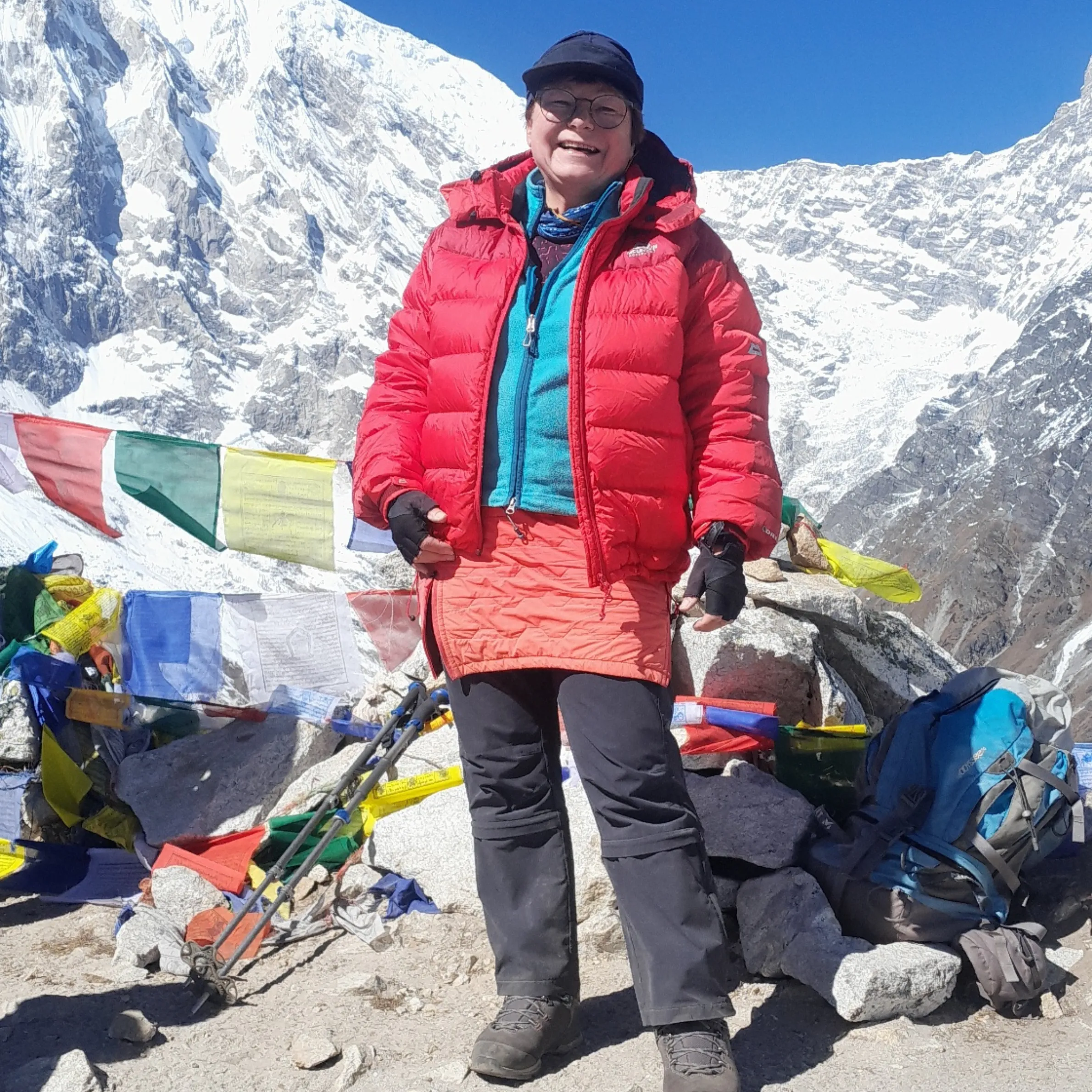
Moderate“All Women Trek to Nepal” means a trekking trip in Nepal that is designed exclusively for women participants. These treks are usually organized to provide a safe, comfortable, and empowering environment where women from different countries can travel together and explore Nepal’s mountains.
The concept behind all women trekking to Nepal is that solo trekking might not be of interest to some women mainly concerning safety. We want to provide a safe space where women from different works of life can join this trek on a fixed departure basis. They will start this trek as a stranger but end it with friendship that will last a lifetime.
This trek is designed for all women and we will provide a female trekking guide for this trip. It is one of the beginner’s friendly treks in Annapurna Region.
Why Choose Euro Asia Tours for This Women Trek
Choosing the right operator is crucial—especially for a women’s adventure. Euro Asia Tours offers:
- 30+ Years of Trusted Experience: A well-established travel company with a strong track record of safe and successful Himalayan treks. We have been in operation for almost three decades. We have operated during different situations be it Maoist insurgency or covid pandemic. Handling groups during different situations has been challenging but also our learning curve. These experiences have made us what we are today , one of the trusted tour operators based here in Nepal.
- Focus on Women-Friendly Travel: We design itineraries that prioritize comfort, safety, and emotional wellbeing for female travelers.
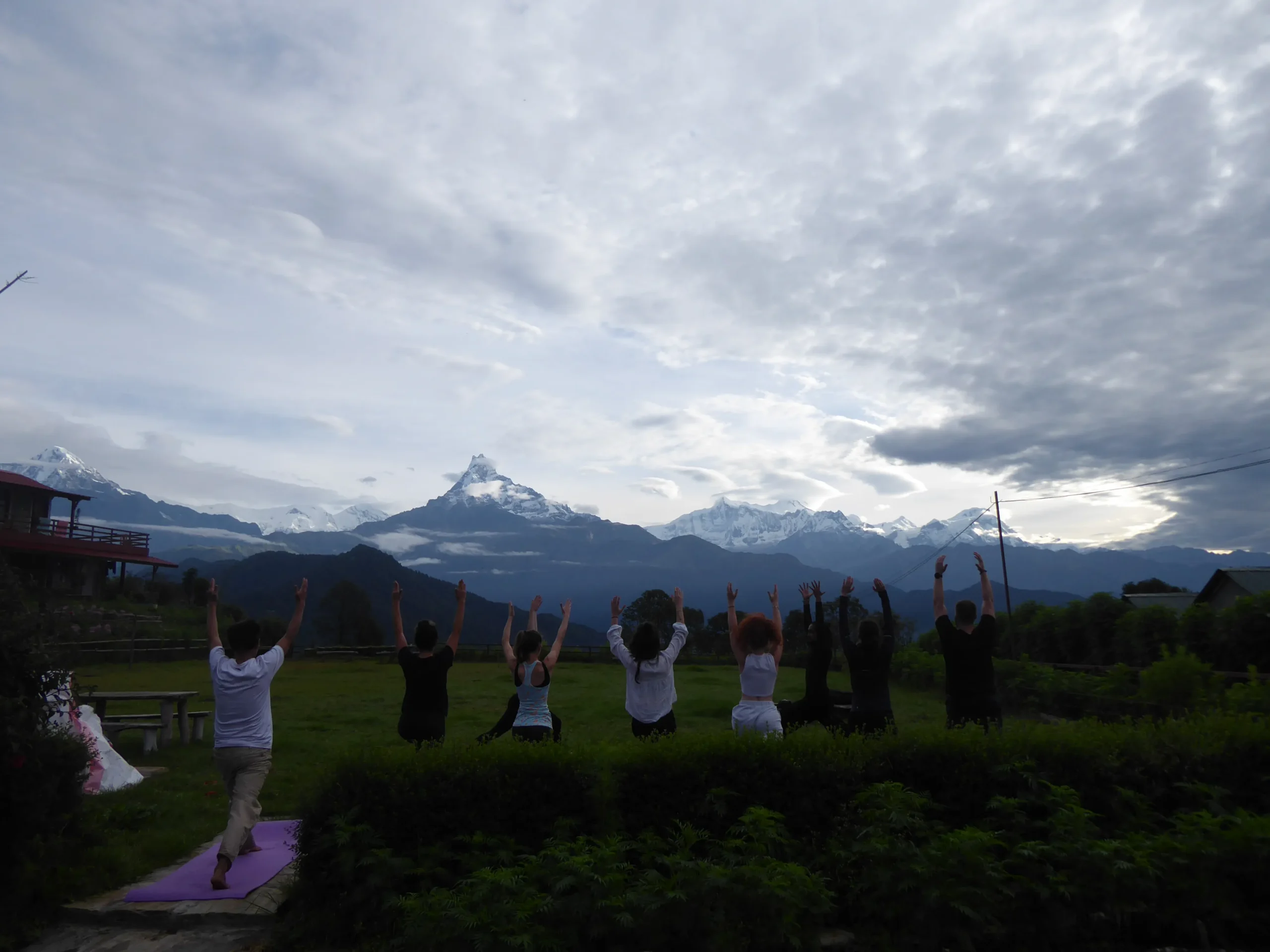
- Priority on Female Guides & Staff: Whenever available, we assign trained women trekking guides and yoga instructors to empower Nepali women in tourism. Nepal has a limited number of Female guides and porters but we will try to make use of them where available. We will also make use of yoga instructors who are female. It is important for us to empower females of this country and hence we created this platform to provide the same.
- Carefully Designed Acclimatization Plan: The itinerary balances trekking, rest, and yoga to keep you safe and energized at higher altitudes.
- Reliable Local Support: From airport pickup to mountain logistics, our team ensures everything runs smoothly so you can focus on enjoying your trek.
- Safety First Approach: Well-trained guides, proper briefings, and quality equipment ensure you feel protected at every step.
- Personalized, Warm Hospitality: Euro Asia Tours is known for friendliness, attention to detail, and genuine care for each guest—making this journey emotionally enriching.
A Journey of Sisterhood, Strength & Stillness in the Himalayas Highlights
- Women-Only Group: The trekking group is made up only of female travelers. This is run on a fixed departure basis where females from different countries and work of life can join.
- Female Guides/Porters (optional): We have a limited number of female guides and porters in Nepal. However, the concept behind all women trek is for women, by women. Hence we will make use of female guides/porters where possible.
- Safe and Supportive Environment: Ideal for women who prefer traveling in a group of women for security, comfort, or cultural reasons. Finding friends in one’s own circle who are free during the time one is free for a holiday might not always be possible. Here we provide a platform so that the ladies find friends along the journey and do the trek together.
- Empowering Experience: Encourages confidence, independence, and bonding with other women while experiencing Nepal’s nature and culture. The fact that one is on their own but also with women who love traveling from different works of life together is empowering. Similarly, since the service is provided by women where applicable, the sense of providing work to other women is another empowering experience.
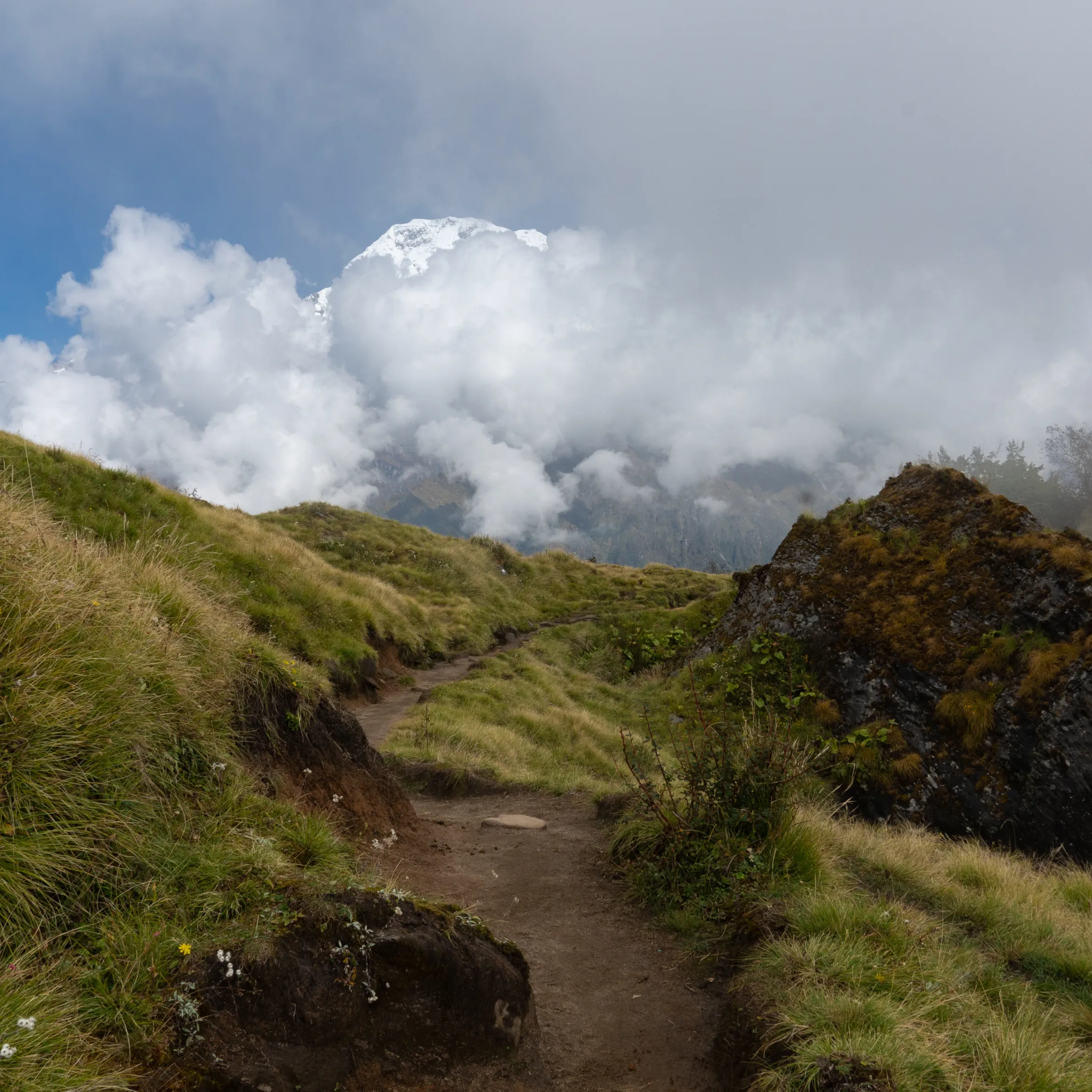
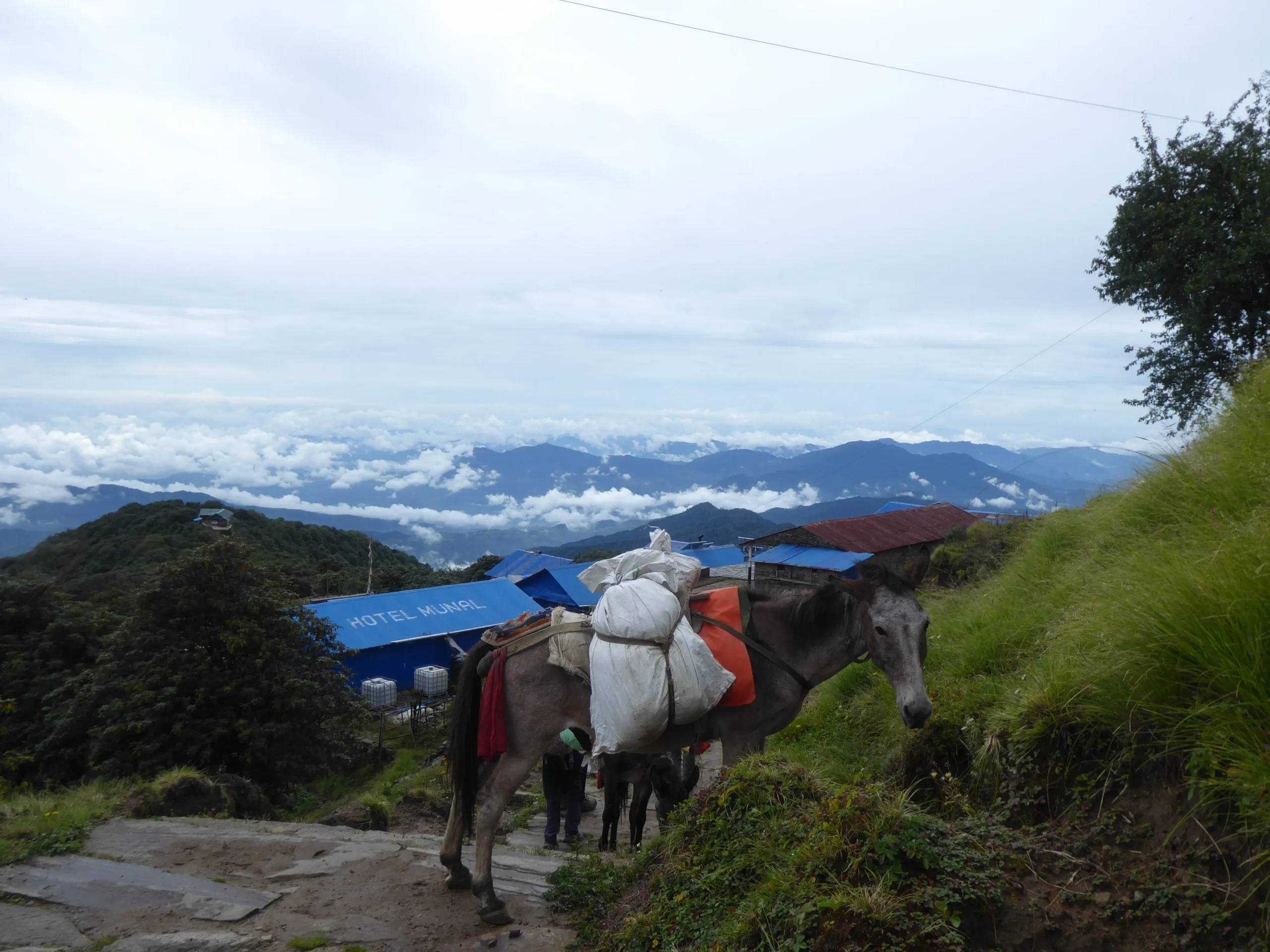
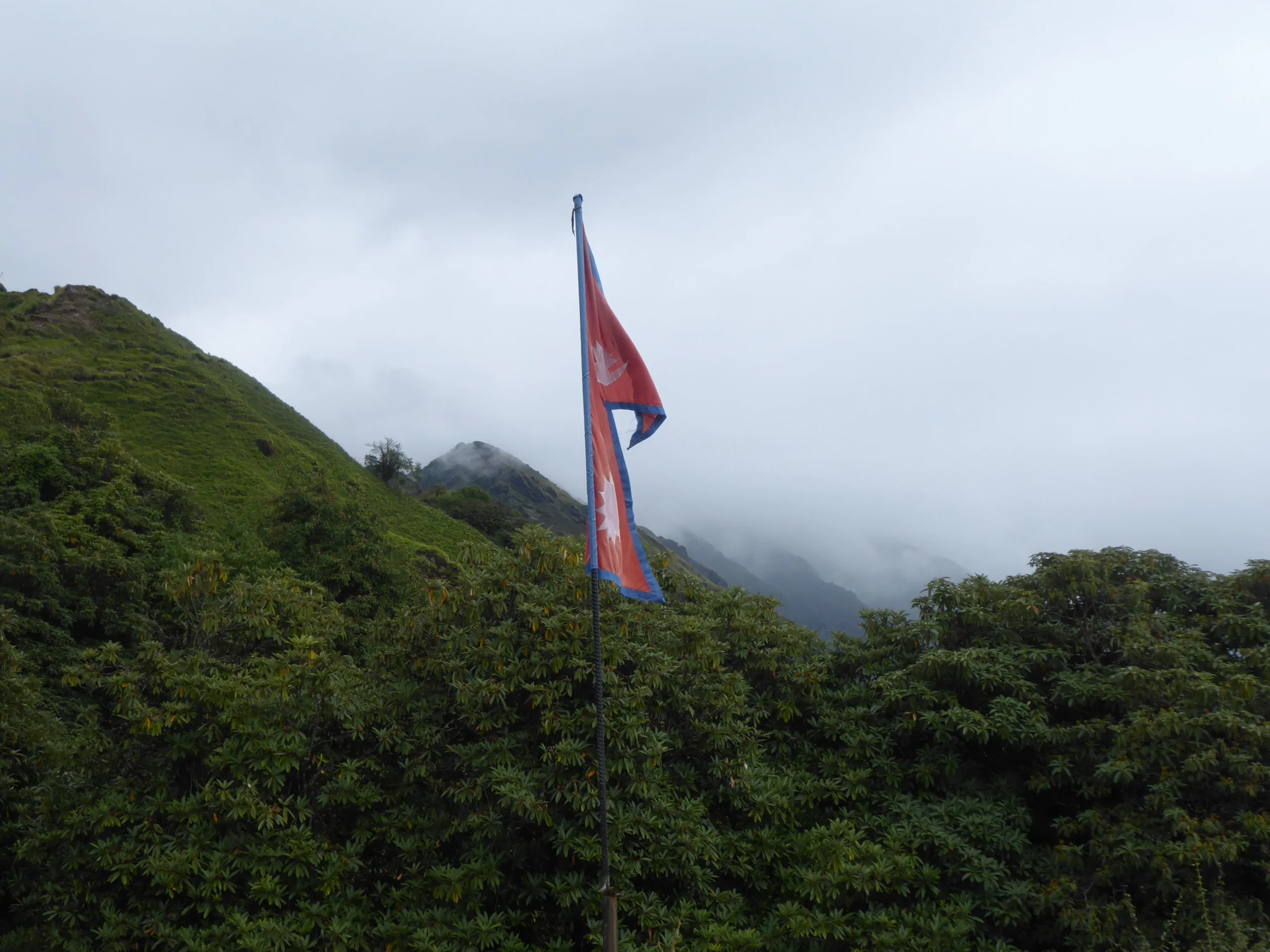
- Diverse Landscapes: The trek takes you through a range of environments, from subtropical forests to alpine meadows. Each day brings a new landscape, whether it’s the vibrant rhododendron forests of spring or the open ridges and rocky outcrops as you ascend.
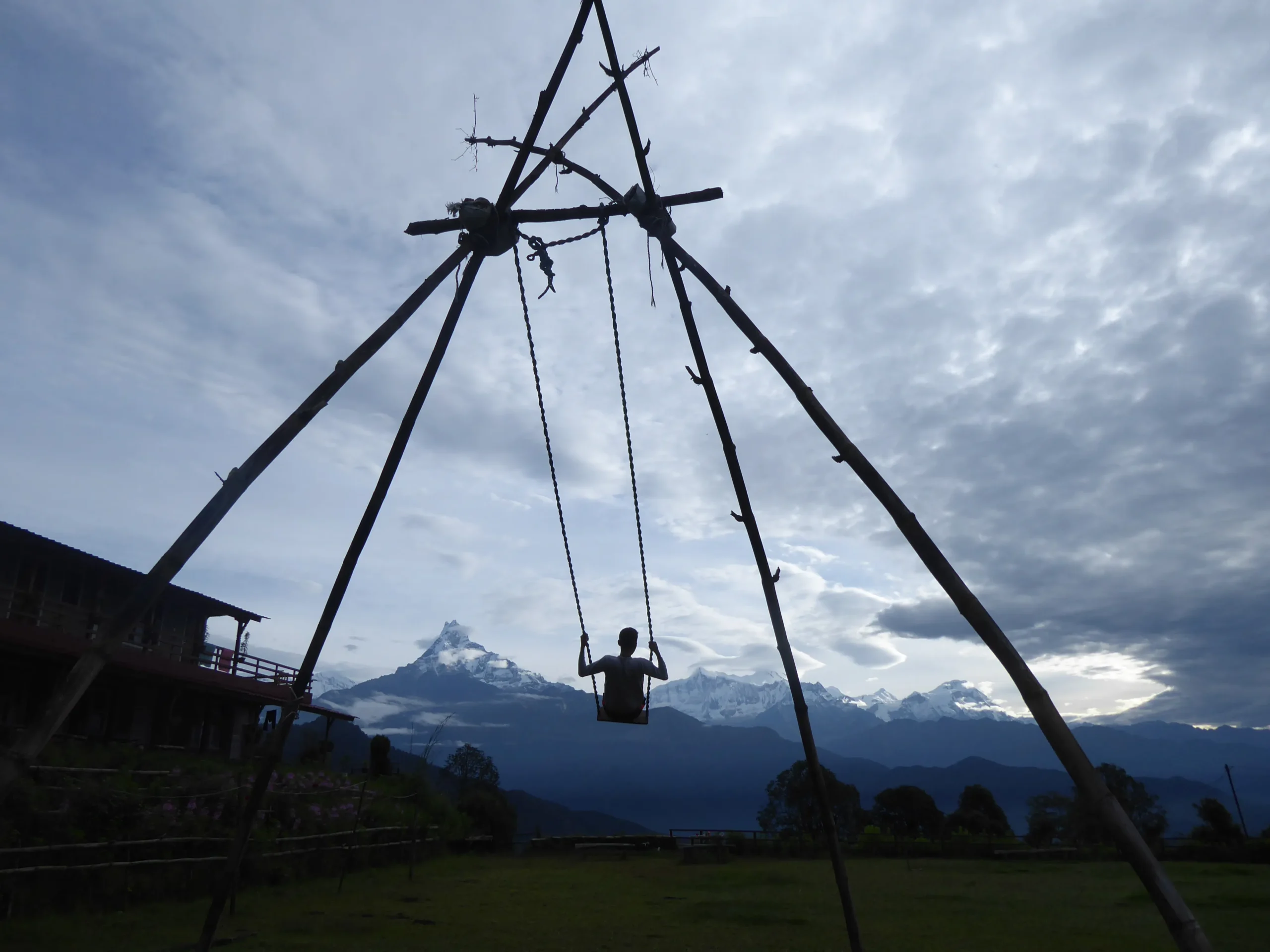
- Breathtaking Mountain Views: As you climb higher, the scenery becomes more dramatic, with the Annapurna range, Machapuchare, and Annapurna South providing a stunning backdrop. The view from Mardi Himal Base Camp is especially remarkable, offering a close-up perspective of these towering Himalayan peaks.
- Cultural Immersion: Villages like Deurali and Siding offer an authentic glimpse into traditional Nepali life. Here, locals welcome trekkers into their homes and teahouses, providing a unique opportunity to engage with the culture and enjoy traditional Nepali hospitality. These interactions enrich the trekking experience by fostering a connection with the people who live in these remote regions.
A Journey of Sisterhood, Strength & Stillness in the Himalayas Detailed itinerary
-
Arrival in Kathmandu – The Gateway to Nepal
Day
01
(Approx. Elevation: 1,350m)
Upon arrival at Tribhuvan International Airport, our representative will warmly welcome you and assist with your transfer to the hotel. As the vibrant energy of Kathmandu surrounds you, the first impressions of Nepal unfold — prayer flags fluttering, temple bells echoing softly, and the timeless rhythm of daily life.
After check-in, the rest of the day is at leisure, allowing time to relax and recover from your journey.
Overnight: Kathmandu
-
Drive from Kathmandu to Pokhara - Journey to the City of Lakes
Day
02
(Approx. 200km: 6–7 hours by road or optional flight)
After breakfast, depart for Pokhara, enjoying a scenic drive that reveals Nepal’s changing landscapes. Short comfort stops are made in-route, allowing time for refreshments, photographs, and relaxation.
By afternoon, you will arrive in Pokhara, widely regarded as Nepal’s most beautiful and relaxing city. Explore the lively Lakeside area, filled with cafés, shops, and scenic viewpoints. Enjoy boating on Fewa Lake, where the reflections of the Annapurna mountain range during sunset create a truly magical experience.
Overnight: Pokhara
-
Drive from Pokhara to Kande & Trek begins to Pritam Deurali
Day
03
(Approx. Elevation: 1,950m)
Begin the day with a morning yoga session, focusing on breath, gentle movement, and grounding. After breakfast, drive to Kande, the starting point of your trek. From here, begin a gentle ascent through terraced farmland and forested paths. The trail gradually enters cooler air and quieter surroundings as you walk toward Deurali.
This first trekking day is intentionally short, allowing your body to adjust while enjoying your first mountain lodge experience.
Walking time: Approx. 3–4 hours
Overnight: Stay at a teahouse in Pritam Deurali
-
Trek from Pritam Deurali to Forest Camp
Day
04
(Approx. Elevation: 2520m)
Today’s journey unfolds gently as you walk deeper into the heart of the Annapurna foothills. After breakfast, the trail winds through lush rhododendron and oak forests, where soft sunlight filters through the canopy and birdsong provides a natural soundtrack. During spring, the forest bursts into color, while in autumn the golden light creates a warm, peaceful atmosphere.
By afternoon, you arrive at Forest Camp, a secluded clearing surrounded by towering trees. With no villages nearby, the sense of remoteness is deeply calming.
Walking time: Approx. 4-5 hours
Overnight: Stay at a teahouse in Forest Camp
-
Trek from Forest Camp to Badal Danda
Day
05
(Approx. Elevation: 2,970m)
Leaving the forest behind, the trail gradually ascends as the landscape begins to open up. Trees thin, views widen, and the feeling of space becomes more pronounced.
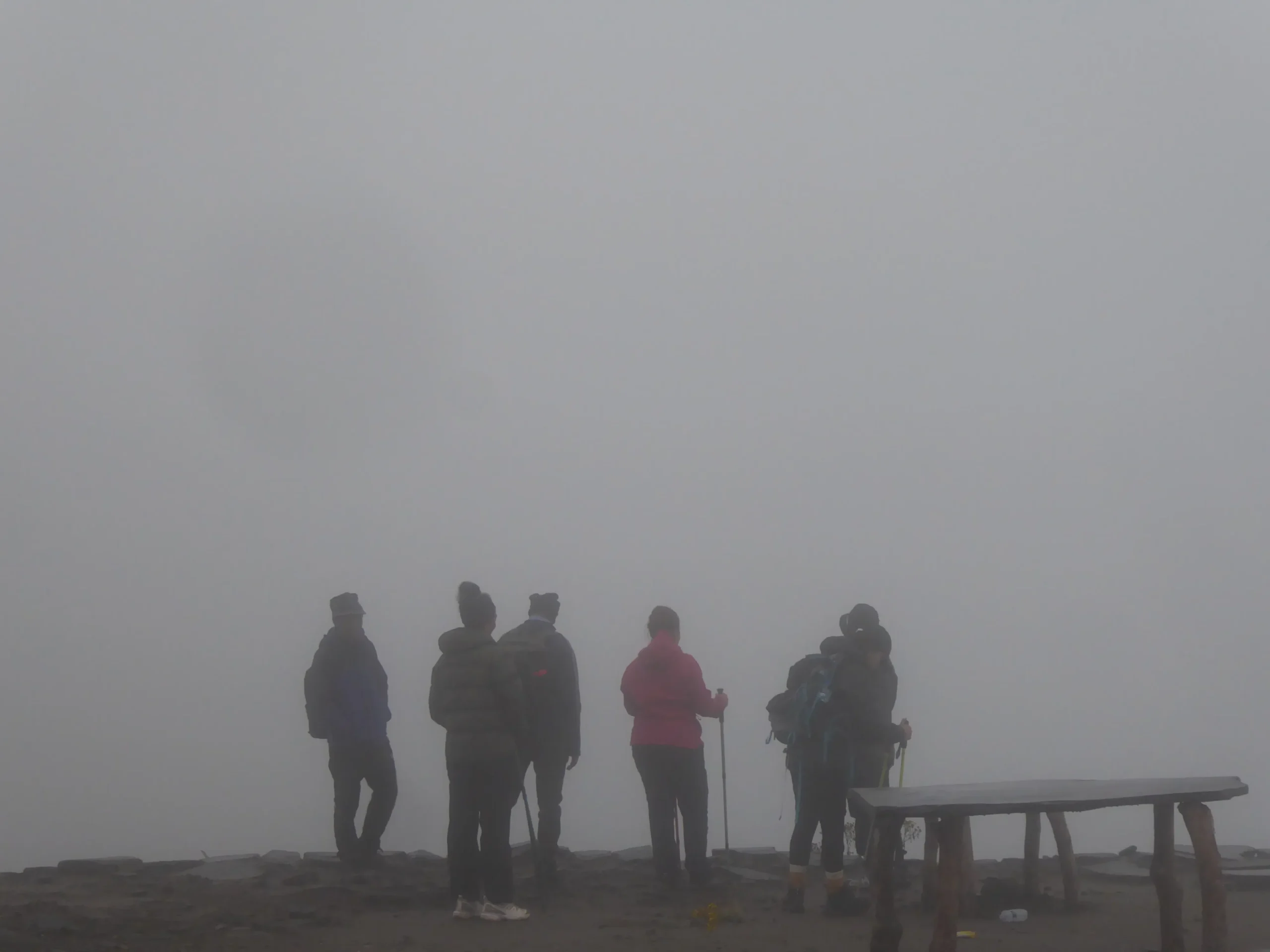
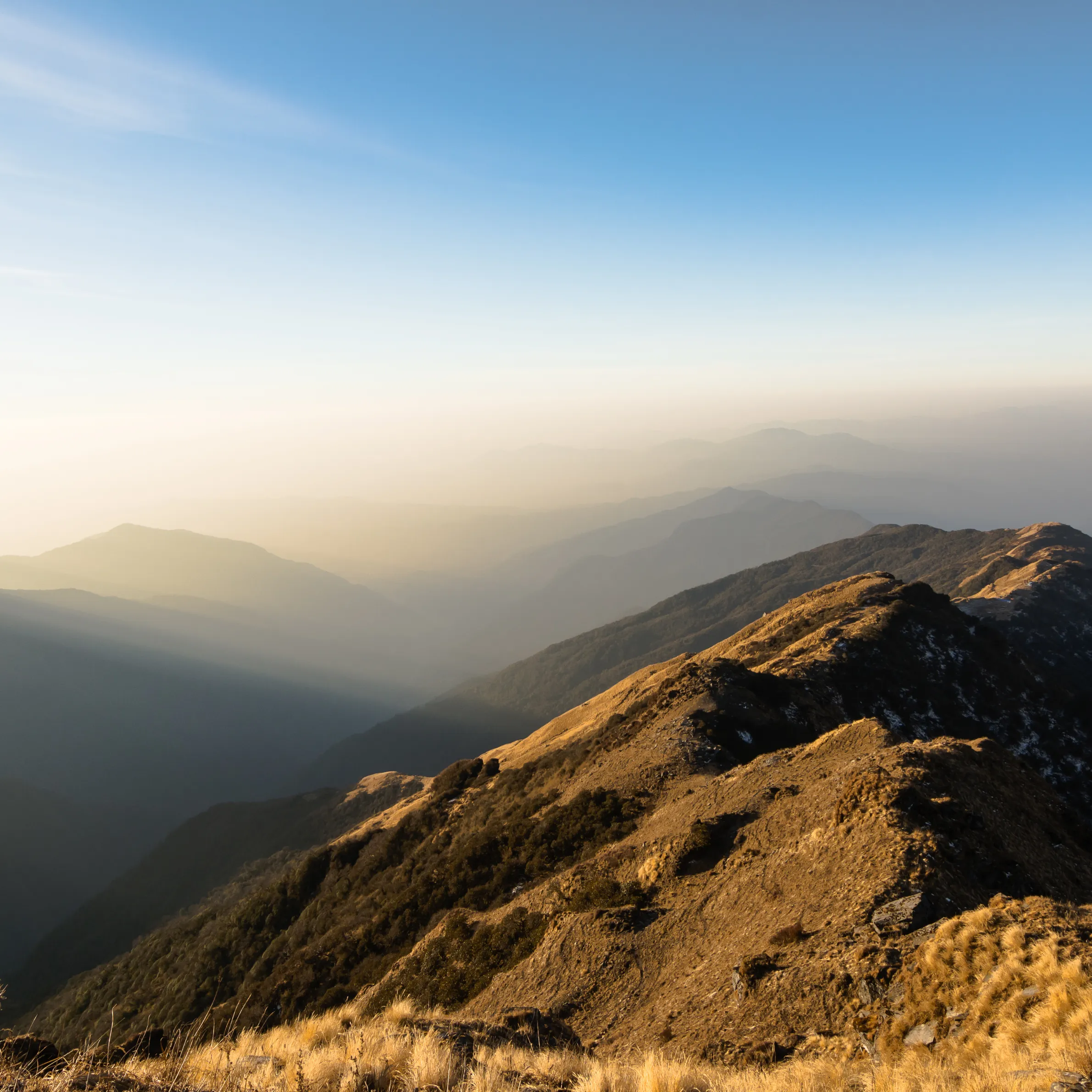
You arrive at Badal Danda, meaning “Cloud Hill”—a wonderfully atmospheric ridge often floating above a sea of clouds. On clear days, the panorama stretches across rolling hills and distant snow peaks, while evenings here are particularly magical as the light shifts and clouds drift below.
Walking time: Approx. 5 hours
Overnight: Stay at a teahouse in Badal Danda
-
Trek from Badal Danda to High Camp
Day
06
(Approx. Elevation: 3570m)
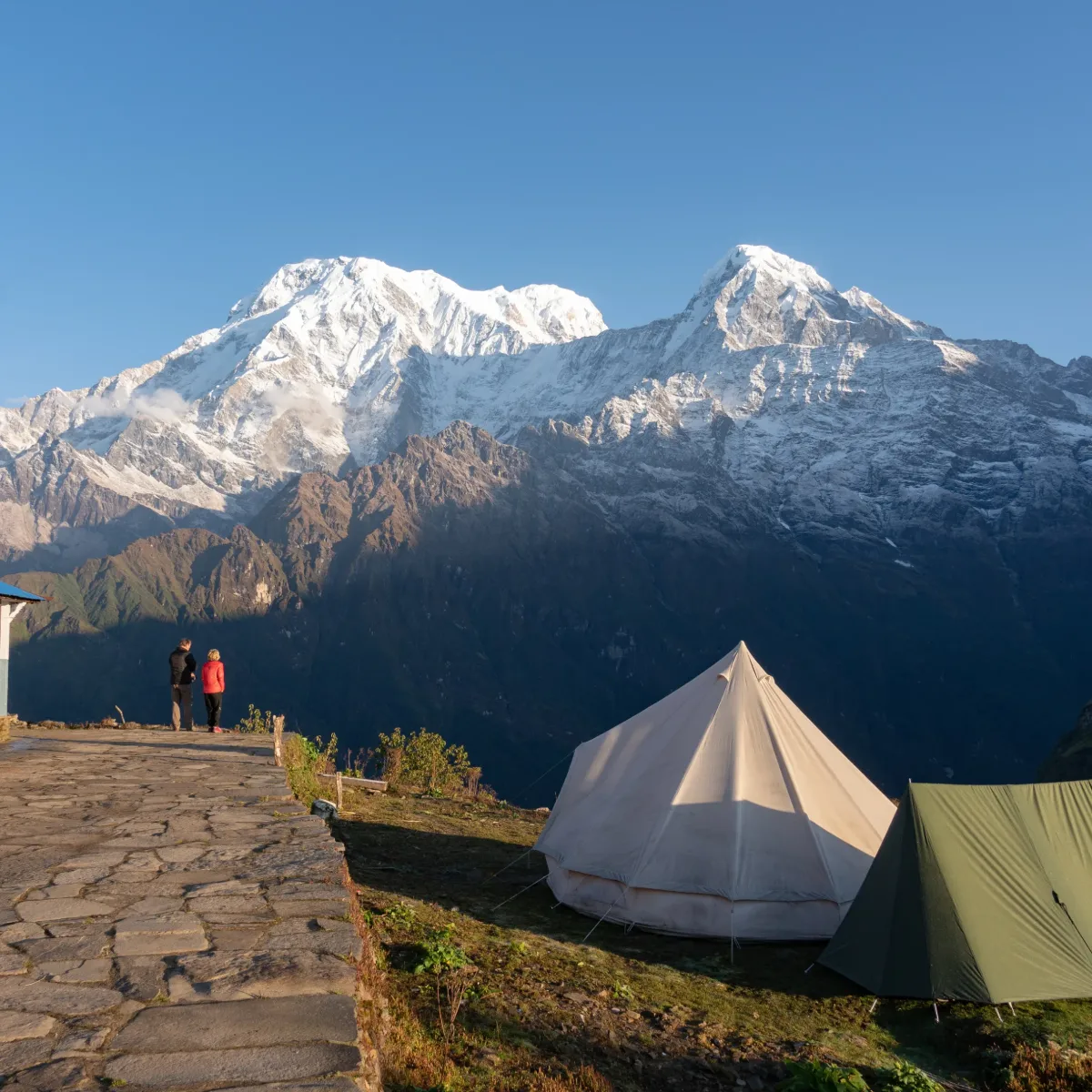
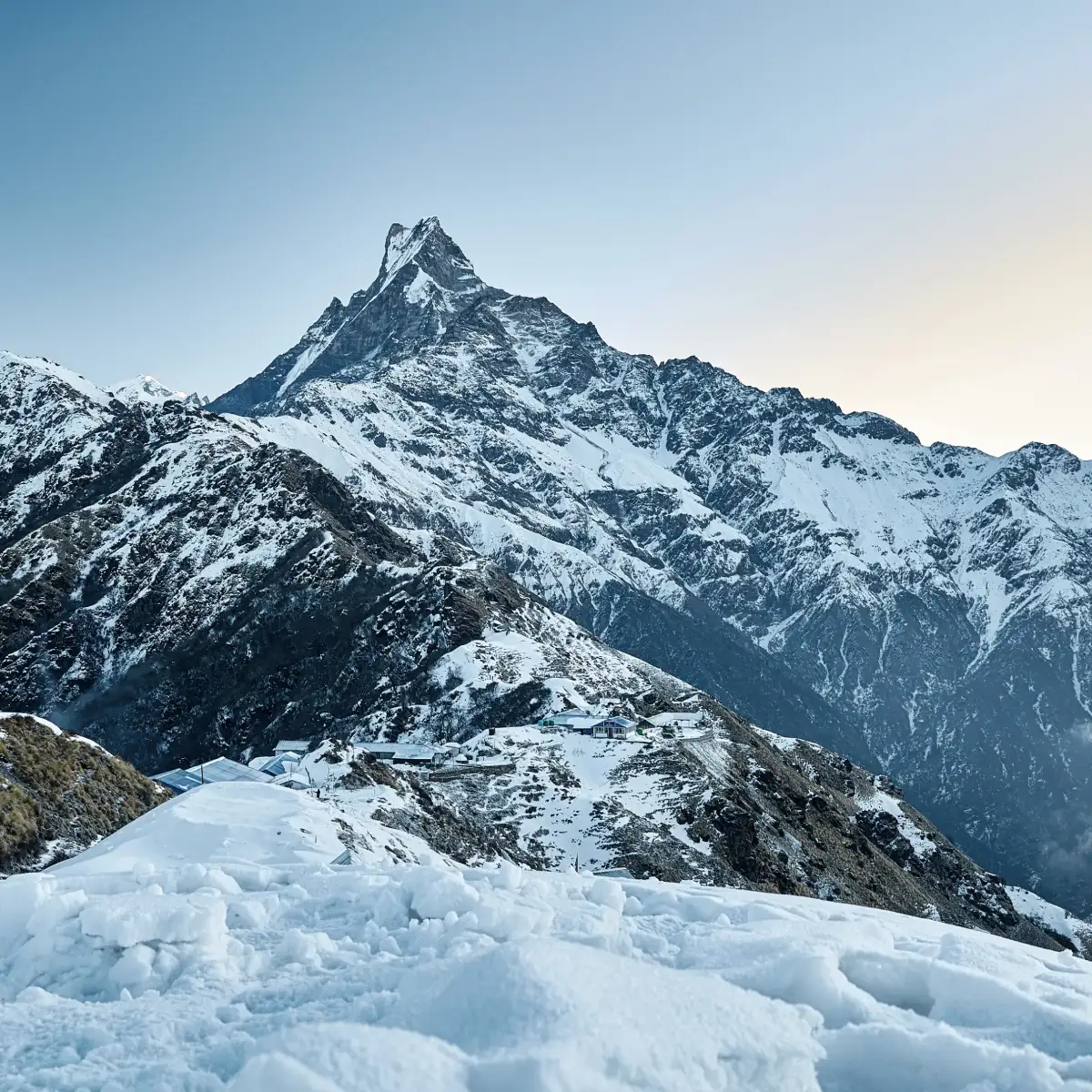
This is one of the most visually rewarding days of the trek. After breakfast, the trail follows a narrow alpine ridge, offering expansive views in almost every direction. As you walk, Machhapuchhre (Fishtail) rises dramatically ahead—its sharp, sacred peak commanding the skyline—while Annapurna South and Hiunchuli stretch across the horizon.
Arriving at High Camp, you’ll feel a strong sense of achievement. The setting is raw, beautiful, and profoundly quiet—perfect for an early night in preparation for the next day’s highlight.
Walking time: Approx. 5 hours
Overnight: Stay as a teahouse in High Camp
-
Trek from High Camp to Mardi Himal Base Camp & Back to Badal Danda
Day
07
(Approx. Elevation: 4500m)
An early start brings one of the most memorable experiences of the journey. As dawn breaks, you hike toward Mardi Himal Base Camp, following a trail across open alpine terrain with uninterrupted views of the surrounding peaks.
After spending time at the viewpoint, you descend back to Badal Danda at a comfortable pace, where a warm meal and time to rest await. The afternoon is free to relax, reflect, and enjoy the feeling of having reached the high point of your trek.
Walking time: Approx. 5 hours(roundtrip)
Overnight: Stay as a teahouse in Badal Danda
-
Trek from Badal Danda to Siding Village
Day
08
(Approx. Elevation: 1750m)
Today brings a dramatic and beautiful transition. You descend from high alpine terrain into lush forests, flowing streams, and terraced farmland, passing waterfalls and small settlements along the way.
You arrive in Siding, a traditional village rarely visited by mainstream trekkers. Here, you experience genuine rural hospitality, simple living, and a slower pace of life—offering a meaningful cultural counterbalance to the mountain adventure.
Walking time: Approx. 4-5 hours
Overnight: Stay as a teahouse in Siding Village
-
Jeep drive from Siding Village to Pokhara
Day
09
(Approx. Elevation: 822m)
After breakfast, enjoy a scenic jeep drive back to Pokhara, following rural roads through terraced hills and river valleys.
Arriving in Pokhara, the comforts of the lakeside town await. Spend the afternoon at leisure—perhaps enjoying a massage, relaxing by the lake with a coffee, or taking a gentle walk along the waterfront. This day offers a soft landing back into modern comfort after days immersed in nature.
Overnight: Pokhara
-
Drive from Pokhara to Kathmandu - Journey Back to the Capital
Day
10
(Approx. 200km: 6–7 hours by road or optional flight)
After breakfast, return to Kathmandu by scenic drive or optional flight. Upon arrival, check in at your hotel and enjoy free time for last-minute shopping or relaxation.
Overnight: Kathmandu
-
Full-day sightseeing of Kathmandu Valley & full body message at hotel
Day
11
Explore UNESCO World Heritage Sites. You will visit ancient royal squares, sacred Hindu temples, and Buddhist stupas that reflect Nepal’s deep spiritual roots and artistic heritage.
- Kathmandu Durbar Square: Once the ceremonial heart of the Malla and Shah kings. Here, intricately carved wooden palaces, stone temples, and hidden courtyards stand as masterpieces of Newari craftsmanship. As you walk through the square, daily life continues around you — vendors selling flowers for worship, locals offering prayers, and children playing beneath ancient pagoda.
- Swayambhunath: One of the oldest Buddhist stupas in Nepal, it gazes serenely over the entire valley. Prayer flags flutter in the wind, prayer wheels spin softly under passing hands, and the golden eyes of the stupa watch over the city below. The panoramic view offers not only a visual reward, but a moment of quiet reflection above the bustle of Kathmandu.
- Patan Durbar Square: Here, temples seem to rise like sculptures, each adorned with exquisite metalwork and stone carvings. Patan reflects the artistic zenith of Newari civilization, where spirituality and aesthetics merge seamlessly. Time slows as you explore its courtyards, museums, and artisan-lined streets.
The valley offers a rare opportunity to witness Hinduism and Buddhism peacefully coexisting, with rituals and traditions still practiced daily. There you will explore history still alive, rituals still practiced, stories still whispered.
In the evening, enjoy a farewell dinner, celebrating unforgettable memories made during your journey through Nepal.
Overnight: Kathmandu
-
Flight from Kathmandu to onward destination
Day
12
Transfer to the airport for your onward flight, carrying not just memories of mountains, but also new friendships, inner strength, and renewed clarity.
A Journey of Sisterhood, Strength & Stillness in the Himalayas Price details
Price includes
- Accommodation as per above – Mentioned Hotel in BB basis
- Full Board Meal during trekking
- All transfers & sightseeing as per the itinerary
- English Speaking Tour Guide throughout the tour
- Basic English Speaking Trek Guide throughout the trek
- 1 x Porter per 2 person during trekking (12-15 kg per person)
- Annapurna Trekking Permit & TIMS Fee
- Farewell Dinner
- 1 Hour Boating in Fewa Lake by Wooden Boat (Up to 4 Pax on 1 Boat)
Price excludes
- Visa Fees of Nepal (On arrival visa given)
- Insurance of any kind / medical expenses
- Beverages (alcoholic /non–alcoholic)
- Expenses of personal nature (like tipping, laundry, Telephone/fax calls, camera/video fees, shopping, etc)
- Airfare & airport taxes flight from Kathmandu to Pokhara & V.V. mentioned in Supplement
- Services not mentioned in inclusions.
A Journey of Sisterhood, Strength & Stillness in the Himalayas Information
Why Choose an All Women Trek to Nepal?
An All Women Trek to Nepal is designed to remove the most common barriers women face when planning Himalayan adventures: safety concerns, lack of trekking partners, cultural comfort, and physical confidence. While Nepal is one of the world’s greatest trekking destinations, many women hesitate to travel alone or struggle to find companions who share the same availability and interests.
This women-only trek creates a safe, inclusive, and empowering space where female travelers from different countries and backgrounds come together with a shared purpose — exploration, personal growth, and connection. Walking side by side in the mountains naturally builds trust, encouragement, and camaraderie.
Beyond safety, this journey fosters independence and confidence. Many participants complete this trek feeling stronger — physically, mentally, and emotionally — and return home with friendships that often extend well beyond the trek itself.
Who Is This Women Only Trekking Nepal Ideal For?
This trek is especially suitable for:
- Solo female travelers seeking companionship
- First-time trekkers to the Himalayas
- Women who prefer female-only group dynamics
- Travelers seeking meaningful, slow, and conscious travel
- Women looking to reconnect with nature and themselves
No previous trekking experience is required, making it accessible yet deeply rewarding.
Best Time for Mardi Himal Base Camp Trek
Choosing the right season greatly enhances the trekking experience.
- Spring Season (March to May)
Spring is one of the most beautiful times for the Mardi Himal trek. The trail comes alive with blooming rhododendron forests, lush greenery, and vibrant landscapes. Temperatures remain comfortable during the day, while mountain views are clear and dramatic.
This season is ideal for:
- Nature lovers
- Photography enthusiasts
- First-time trekkers
- Autumn Season (September to November)
Autumn offers stable weather, crisp air, and some of the clearest mountain views of the year. Post-monsoon skies reveal uninterrupted panoramas of Machapuchare and the Annapurna range.
This is the most popular trekking season in Nepal and ideal for those seeking optimal conditions.
Packing List for All Women Mardi Himal Trek
Here is a comprehensive packing list for the All Women Mardi Himal Trek. Please take this as a guideline and adjust according to the season you are trekking. Extra warm layers are essential, especially for nights at High Camp and the early morning hike to the Mardi Himal viewpoint.
General
- Down jacket (Essential for cold nights at High Camp and the early morning hike; rentals available in Kathmandu or Pokhara).
- Daypack (30–40 liters recommended) with a waterproof rain cover.
- Duffel bag (optional) (For porters; keep weight within limits if using porter service).
Upper Body
- Sun hat or cap (Protection from strong UV rays at lower and mid-elevations).
- Warm beanie / knitted hat (Mandatory for cold evenings and early morning viewpoints).
- Neck gaiter / Buff (Protects against wind, cold air, and trail dust).
- Headlamp (Required for the early morning hike to Mardi Himal Viewpoint; carry spare batteries).
- Sunglasses (High UV protection to prevent snow glare and eye strain).
Torso
- Moisture-wicking base layer (top) (Synthetic or merino wool for warmth and sweat control).
- Trekking shirts (2 short-sleeves, 1 long-sleeve for layering).
- Fleece jacket or insulated mid-layer (For evenings and colder trekking sections).
- Waterproof & windproof shell jacket (Essential for sudden weather changes and ridge walks).
Lower Body
- Thermal base layer bottoms (Highly recommended for sleeping and early morning walks).
- Hiking pants (2 pairs; quick-dry or convertible pants are ideal).
- Comfortable track pants or warm leggings (For teahouse evenings and sleeping).
Waterproof shell pants (Optional but strongly recommended in winter or monsoon months).
Hands
- Liner gloves (Lightweight, quick-drying for mild cold).
- Insulated outer gloves (Essential at High Camp and during the morning viewpoint hike).
Feet
- Warm woolen socks (2 pairs for cold nights at higher altitudes).
- Hiking socks (3 pairs; synthetic or merino blends reduce blisters).
- Sturdy hiking boots (Well broken-in, with good ankle support for steep forest and ridge sections).
- Casual shoes or sandals (To wear inside teahouses and let your feet relax).
- Gaiters (Recommended during winter snow or monsoon mud).
- Micro-spikes / Crampons (Recommended for treks from December to February, depending on snow conditions).
Undergarments
- Quick-drying underwear (3–4 pairs; easier to wash and dry in teahouses).
- Sports bras (Women) (Moisture-wicking and supportive fabrics reduce discomfort during long walks).
First Aid Kits & Medications
(Note: Our guides carry a main medical kit. However, a personal kit is strongly recommended for quick access.)
- Blister plasters (Compeed or moleskin for hot spots).
- Sunscreen (high SPF) (UV exposure increases with altitude).
- Lip balm with SPF (Prevents windburn and cracking in cold air).
- Pain relievers (Paracetamol or Ibuprofen for muscle soreness or headaches).
- Personal prescription medications (Carry enough for the entire trek duration).
- Altitude medication (if prescribed) (Consult your doctor before use).
Other Essentials
- Passport (Required for ACAP and TIMS permit checkpoints).
- Passport-sized photos (2 copies) (For permits or SIM cards, if needed).
- Reusable water bottle (Nalgene or metal; reducing single-use plastic is encouraged).
- Water purification tablets or filtration system (LifeStraw or similar).
- Toiletries (Toothbrush, toothpaste, biodegradable soap, hand sanitizer).
- Quick-dry towel (Teahouses usually do not provide towels).
- Toilet paper (2 rolls) (Remove cardboard cores to save space).
- Wet wipes (Very useful for “dry baths” on colder days).
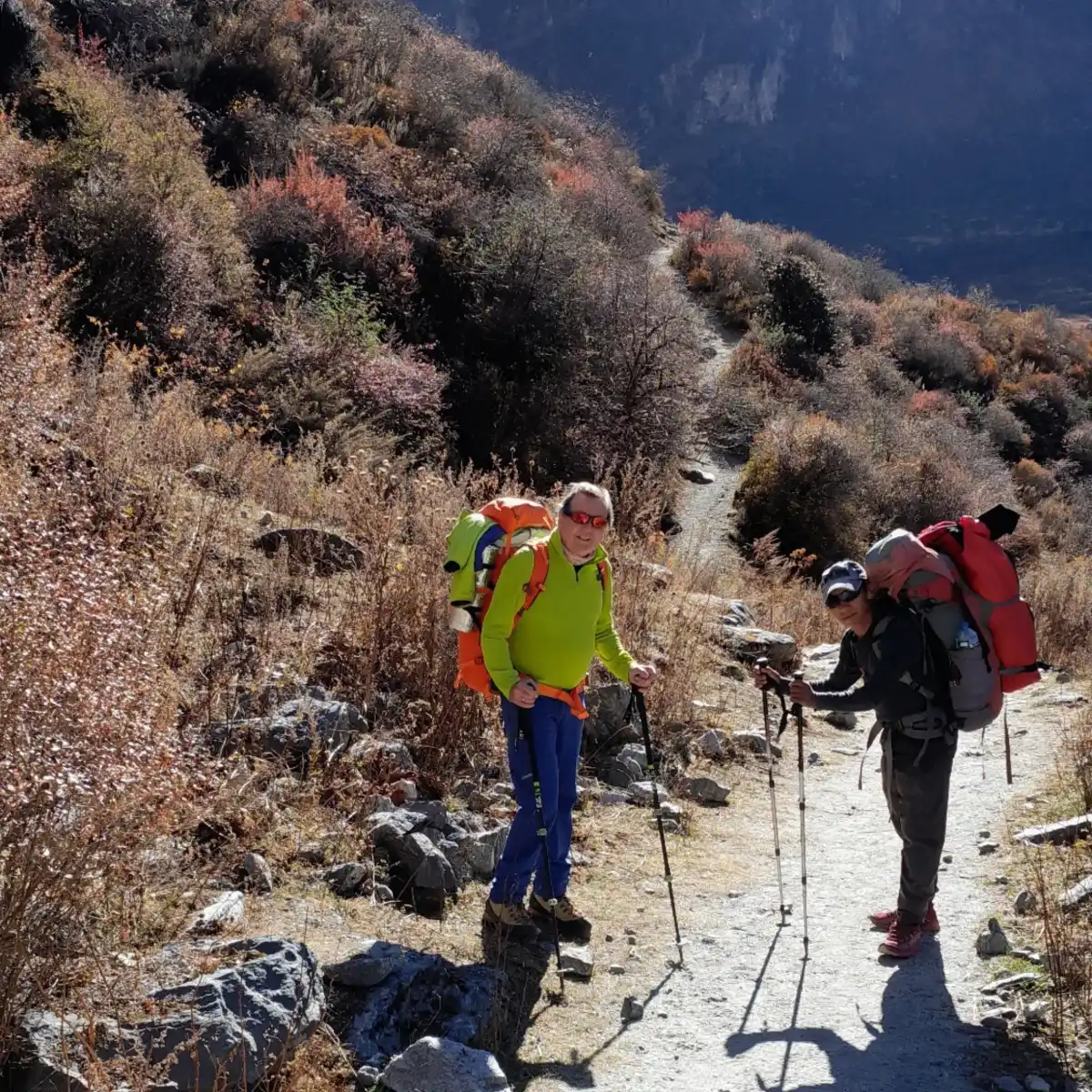
- Trekking poles (Highly recommended for steep ascents and long descents).
- Cash (Nepali Rupees) (Small denominations for snacks, Wi-Fi, charging, and hot showers; no ATMs on the trail).
Optional Items
- Power bank (Charging is limited and often paid at higher teahouses).
- Camera or smartphone (For capturing close-up views of Machapuchare and Annapurna).
- Book, journal, or playing cards (Evenings can be quiet and reflective).
- Earplugs (Teahouse walls are thin; helpful for light sleepers).
- Energy snacks (Chocolate bars, nuts, protein bars for quick energy boosts).
Important Note: You can buy or rent most trekking gear in Thamel (Kathmandu) or Lakeside (Pokhara) before the trek. Our team and guides are happy to assist you in selecting appropriate, good-quality gear at fair prices, especially if this is your first Himalayan trek.
Cultural Encounters & Local Life
One of the most enriching elements of the All Women Mardi Himal Trek is the opportunity to experience authentic rural life in the Himalayan foothills, far from the fast pace of cities and mass tourism. The trail passes through small settlements and traditional villages such as Deurali, Low Camp areas, and Siding, where daily life continues much as it has for generations.
Here, mountain communities are deeply connected to the land. Agriculture remains the backbone of village life, and depending on the season, you may see locals tending terraced fields, harvesting crops, carrying firewood, or caring for livestock. These everyday activities offer a genuine glimpse into the resilience and simplicity of life in the Himalayas.
Teahouses along the trail are usually family-run, and staying in them allows for meaningful interaction with local hosts. You will experience warm Nepali hospitality, often expressed through home-cooked meals, shared conversations, and welcoming smiles. Many trekkers find these quiet moments in teahouses just as memorable as the mountain views themselves.
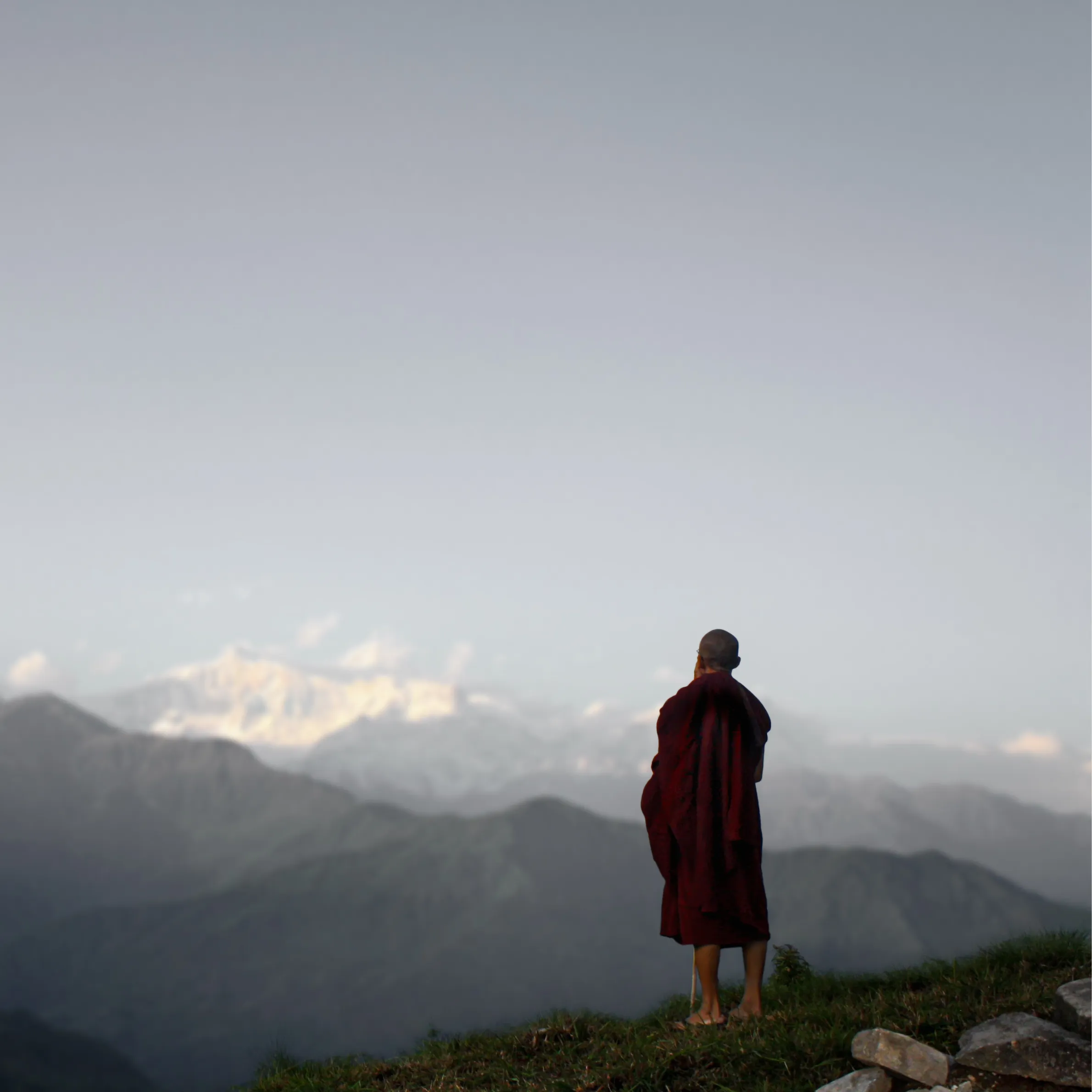
Spirituality is woven naturally into daily life. Along the trail, you may encounter prayer flags fluttering in the wind, small stone shrines, mani walls, and simple temples. Both Hindu and Buddhist traditions coexist harmoniously, reflecting Nepal’s deep spiritual heritage. Morning and evening rituals, incense offerings, and quiet prayers are common sights, adding a peaceful and reflective atmosphere to the journey.
These cultural encounters transform the trek into more than a physical adventure. They offer perspective, connection, and a deeper understanding of Nepal’s mountain communities — making the journey feel personal, grounding, and culturally immersive.
Flora, Fauna & Natural Beauty
The Mardi Himal trekking route is renowned for its rich natural diversity and constantly changing landscapes. As you walk from lower elevations toward High Camp, the environment transforms noticeably, offering a fascinating journey through multiple ecological zones.
At lower altitudes, the trail winds through subtropical forests filled with lush greenery, ferns, and broad-leaf trees. As you gain elevation, these forests gradually give way to dense rhododendron, oak, and pine forests, which are especially beautiful in spring when rhododendrons bloom in shades of red, pink, and white.
Higher up, near Low Camp and High Camp, the forest thins and opens into alpine meadows and ridgelines, where sweeping mountain views dominate the horizon. The landscape becomes more rugged and dramatic, with rocky terrain, open skies, and close-up views of Machapuchare and the Annapurna range.
The region is also home to a variety of Himalayan wildlife. While sightings depend on luck and season, trekkers may encounter:
- Himalayan monals known for their vibrant plumage
- Langur monkeys moving through forest canopies
- Various species of mountain birds and butterflies
Throughout the trek, the natural scenery changes daily — from shaded forest paths and moss-covered trails to open ridges and alpine viewpoints. This constant variation keeps the walk engaging and visually rewarding, offering moments of calm, awe, and quiet reflection in equal measure.
Accommodation & Comfort Level
City Accommodation
In Kathmandu and Pokhara, you stay in well-located, comfortable hotels with modern amenities, providing restful transitions before and after trekking.
Teahouse Accommodation
During the trek, you stay in mountain teahouses — simple yet cozy lodges run by local families. Rooms are typically twin-sharing with warm bedding. Bathrooms are shared, especially at higher altitudes, reflecting authentic Himalayan trekking conditions.
Despite the simplicity, the warmth and hospitality of teahouse hosts create a comforting experience.
Meals During the Trek
- Dal Bhat serves as the primary energy source for trekkers. This traditional Nepali staple consists of steamed rice, lentil soup, and seasonal vegetable curry. Teahouse hosts offer unlimited refills of rice and lentils to ensure hikers remain fueled for the steep climbs.
- Teahouse menus feature a diverse range of international and local dishes. Kitchens prepare favorites like vegetable momos, fried noodles (chow mein), pasta, and even pizza. This variety caters to different palates and provides comforting options after a long day of walking.
- Hot breakfast options provide essential calories for the morning ascent. Hikers choose from oatmeal porridge, Tibetan bread, pancakes, or eggs cooked to order. A substantial meal at 7:00 AM sustains your energy levels until the scheduled lunch stop.
- Vegetarian meals offer the safest and freshest dining option. Most ingredients come directly from local farms, ensuring high quality and taste. Experienced guides often recommend avoiding meat products at higher altitudes to prevent potential stomach issues.
- Warm beverages help maintain hydration and body temperature. Teahouses serve various teas, including masala chai and ginger lemon honey tea, which soothes sore throats. Hot chocolate and coffee are also available to keep you warm during chilly evenings.
Food Safety Tips
- Water purification methods neutralize harmful bacteria effectively. Chlorine tablets, iodine drops, or filtration systems like LifeStraw make tap water safe for consumption. Treating your own water prevents waterborne illnesses and reduces plastic waste in the conservation area.
- Vegetarian meals reduce the risk of food poisoning. Meat preservation becomes difficult at high altitudes due to unreliable refrigeration in remote teahouses. Choosing lentils, rice, and vegetables ensures you eat fresh, locally sourced ingredients daily.
- Freshly cooked dishes guarantee higher hygiene standards. Ordering popular items like Dal Bhat or noodle soup ensures high turnover and fresh preparation. Avoid pre-cooked foods or raw salads that may have been exposed to unwashed surfaces.
- Hand sanitizer eliminates germs before every meal. Washing hands with soap is often difficult due to cold water temperatures. Carrying a small bottle of alcohol-based sanitizer ensures your hands remain clean despite limited washing facilities.
All You Need to Know About the Morning Mardi Himal Viewpoint Hike
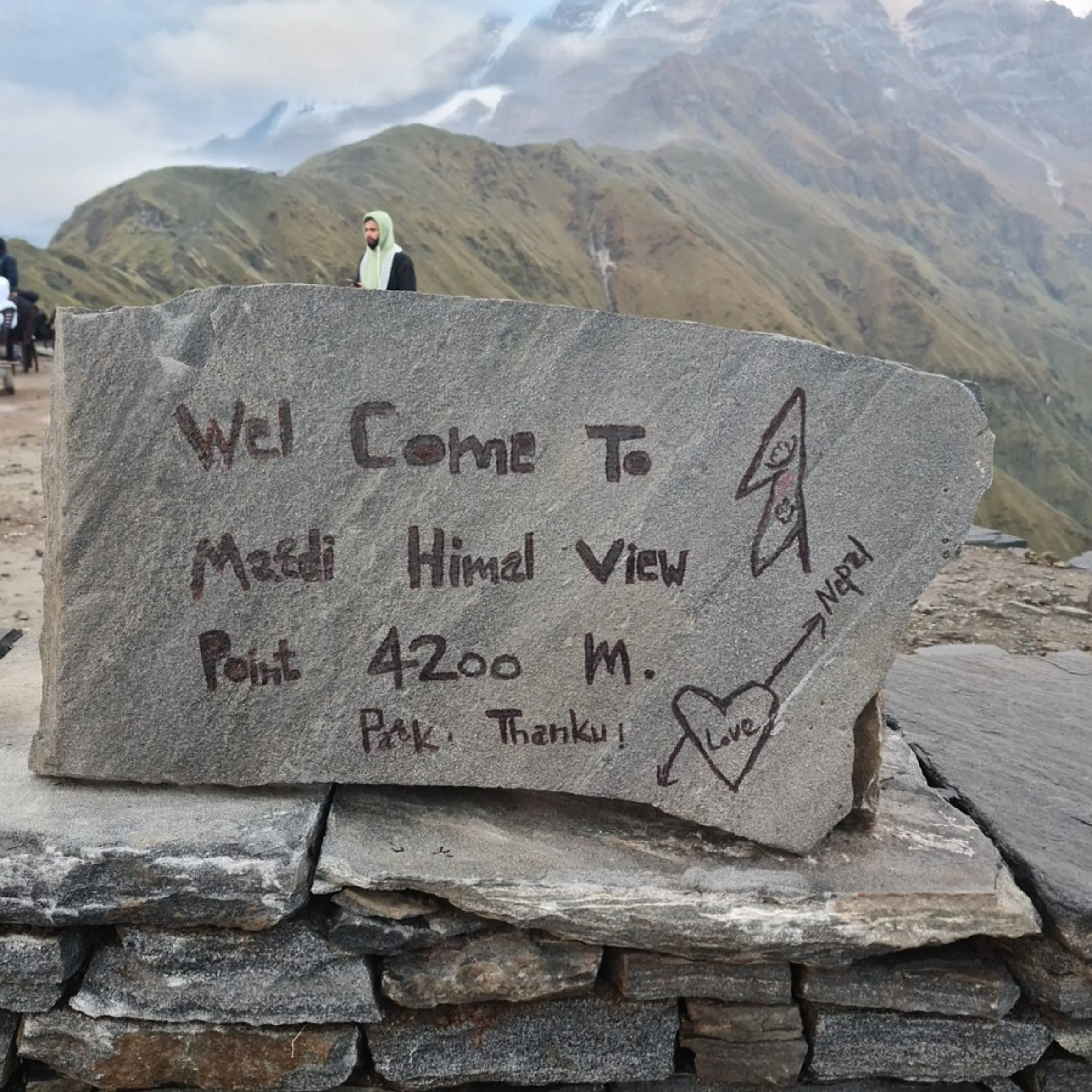
The Mardi Himal Viewpoint is the most rewarding highlight of the All Women Mardi Himal Trek. Located at approximately 4,200 meters, this viewpoint offers one of the closest and most dramatic panoramic perspectives of the Annapurna range, especially the iconic Machapuchare (Fishtail). Unlike crowded viewpoints, Mardi Himal provides a quieter, more intimate mountain experience.
The early morning hike begins before sunrise, usually around 4:30–5:00 AM, depending on the season and weather conditions. Trekkers start from High Camp (approx. 3,580 m) and gradually ascend along a narrow ridge trail. Headlamps and warm clothing are essential, as temperatures are cold and visibility is low before dawn.
As daylight slowly emerges, the surrounding peaks reveal themselves in stages. The sunrise illuminates Machapuchare, Annapurna South, Hiunchuli, and Annapurna I, bathing the snow-covered peaks in shades of pink, orange, and gold. The close proximity of the mountains creates a powerful and emotional moment, especially for first-time Himalayan trekkers.
Unlike Poon Hill, there are no viewing towers or commercial tea shops at the Mardi Himal viewpoint. This simplicity enhances the experience, allowing trekkers to enjoy the silence, fresh mountain air, and uninterrupted scenery. After spending sufficient time at the viewpoint for rest and photography, trekkers descend carefully back to High Camp for breakfast and recovery.
The descent typically takes 1 to 1.5 hours, and the return journey feels significantly easier in daylight, offering clear views of the ridge path climbed in darkness.
How to Prepare for the All Women Mardi Himal Trek
- Cardiovascular fitness improves endurance for higher-altitude trekking: The Mardi Himal trek involves daily walks of 4 to 6 hours, with increased exertion at higher elevations. Activities such as brisk walking, cycling, swimming, or light jogging 3–4 times a week for at least one month before the trek help build stamina and lung capacity.
- Hill walking and stair training prepare your legs for sustained ascents: Although Mardi Himal does not have continuous stone staircases like Ulleri, it includes long uphill forest sections and ridge climbs. Training on stairs or hills with a light backpack strengthens quadriceps, calves, and core muscles, preparing your body for steady elevation gain.
- Well-fitted, broken-in hiking boots are essential: Rocky trails, forest roots, and ridge sections require footwear with good grip and ankle support. New boots should be worn on multiple training walks to prevent blisters and foot pain. Poor footwear is one of the most common causes of discomfort during the trek.
- A pre-trek health check ensures readiness for altitude: A medical consultation before travel is recommended, especially for women with asthma, knee issues, or heart conditions. The trek reaches over 4,000 meters, and identifying any health considerations in advance allows for proper medication and pacing.
- Mental readiness enhances the trekking experience: Accommodation along the Mardi Himal route is basic, particularly at High Camp. Preparing mentally for shared bathrooms, limited electricity, and simple meals helps set realistic expectations. A calm and positive mindset contributes significantly to comfort and enjoyment.
Acclimatization During the All Women Mardi Himal Trek
The maximum altitude of approximately 4,200 meters places Mardi Himal in a moderate-risk zone for Acute Mountain Sickness (AMS). While most trekkers acclimatize well with proper pacing, awareness and prevention are crucial.
- Gradual ascent supports natural acclimatization: The itinerary is carefully designed to allow gradual elevation gain, with overnight stops at Forest Camp, Low Camp, and High Camp. This step-by-step ascent enables your body to adapt to thinning air before the viewpoint hike.
- Hydration plays a key role in altitude adaptation: Trekkers are advised to drink 3–4 liters of water daily. Proper hydration improves blood oxygenation and helps prevent altitude-related headaches, fatigue, and dizziness.
- Guides actively monitor health symptoms: Our trekking guides conduct daily health check-ins, observing symptoms such as headache, nausea, loss of appetite, or unusual fatigue. Any discomfort is addressed immediately through rest, pace adjustment, or descent if necessary.
- Acetazolamide (Diamox) as an optional precaution: Diamox is rarely required on this trek but may be carried as a backup for those sensitive to altitude. It should only be taken after consulting a medical professional prior to the trek.
- Listen to your body: Walking slowly, eating well, staying hydrated, and communicating openly with your guide are the most effective ways to ensure a safe and comfortable high-altitude experience.
Responsible & Sustainable Trekking Practices
At Euro Asia Tours & Travels, we are committed to protecting the Himalayas and supporting local communities. By choosing this trek, you are actively contributing to sustainable tourism in Nepal.
Our responsible trekking approach includes:
- Employing local guides and porters: We prioritize hiring staff from nearby communities, ensuring that economic benefits stay local.
- Fair wages and ethical working conditions: All team members receive appropriate pay, rest periods, and safe working conditions.
- Supporting community-owned teahouses: We encourage stays at locally run lodges to promote community development and authentic experiences.
- Encouraging minimal plastic use: We reduce single-use plastics on treks and support initiatives for waste management.
- Promoting cultural respect: Trekkers are guided on local customs, traditions, and appropriate behavior while visiting villages, monasteries, and sacred sites.
By adhering to these practices, every trekker contributes to preserving the natural and cultural heritage of the Annapurna region.
Eco-Friendly Trekking Tips
Small changes in daily trekking habits make a big difference in protecting fragile mountain ecosystems. Participants are encouraged to:
- Carry refillable water bottles to reduce single-use plastic.
- Avoid single-use plastics like packaging and disposable utensils.
- Use eco-friendly toiletries such as biodegradable soap, shampoo, and toothpaste.
- Respect wildlife and natural habitats by observing from a distance and not disturbing animals or plants.
- Dispose of waste responsibly, either in designated bins or by carrying it back to larger settlements.
- Stay on marked trails to prevent erosion and protect fragile vegetation.
Simple, conscious actions help maintain the pristine beauty of the Himalayas for future generations of trekkers.
Visa Information for Nepal
Nepal offers Visa on Arrival for most nationalities at Tribhuvan International Airport in Kathmandu, making travel planning convenient and straightforward.
Requirements for Visa on Arrival:
- Passport valid for at least 6 months from the date of entry.
- Passport-size photos (usually 2–3 copies).
- Visa fee, payable in USD or other major currencies (USD recommended for convenience).
- Completed arrival forms, provided at the airport.
Our team provides pre-arrival guidance to ensure a smooth visa process. We advise on documentation, fees, and travel tips so you can start your trek without delays or complications.
Permits Required for Mardi Himal Trek
- Annapurna Conservation Area Project (ACAP) permit: Allows entry into the protected Annapurna region. This essential document grants access to the sanctuary, which spans 7,629 sq. km of diverse flora and fauna. The permit fee directly supports local conservation initiatives and sustainable development projects in surrounding communities.
- Trekkers’ Information Management System (TIMS) card; Tracks hiker movements to ensure safety. This registration links you to a central database used by authorities to monitor trekkers’ activities. In case of emergencies or natural hazards, rescue teams rely on TIMS data to locate trekkers quickly.
At the Dhampus or Pothana checkpoint, officials verify your permits before you begin the trek. All hikers must present both documents to avoid entry denial or fines. This strict verification ensures compliance with Nepal Tourism Board regulations.
Euro Asia Tours & Travels handles the entire permit process for you. Our team arranges all necessary documents in Kathmandu prior to your trek. This service saves you time and spares you from waiting in long government office lines.
Travel Insurance Requirement
Coverage Requirements
- Must include emergency helicopter rescue and evacuation up to 4,000 meters.
- Mardi Himal reaches 4,500 meters—high-altitude coverage is essential.
- Helicopter evacuation costs can exceed USD 3,000.
Medical Coverage
- Pays for injuries and altitude-related illnesses (e.g., sprains, AMS).
- Hospitalization may be required in Pokhara or Kathmandu.
Trip Cancellation Insurance
- Protects against sudden delays, weather disruptions, or flight cancellations.
- Recovers non-refundable costs for missed flights or trekking days.
Policy Carry Requirement
- Always carry a printed copy of your insurance policy.
- Proof of coverage accelerates emergency response.
Tipping Guides & Porters on the Trek
- Purpose
- Voluntary gesture of gratitude for guides and porters.
- Important supplement to their seasonal income.
- Recommended Rates
- Guides: USD 10–15 per day (approx. 1,300–2,000 NPR).
- Porters: USD 8–10 per day (approx. 1,000–1,300 NPR).
- Group Contribution: Pool tips to ensure fair distribution, ~10–15% of total trek cost.
- Distribution Tips
- Hand tips directly to each team member.
- Use small envelopes for a professional and respectful gesture.
- Timing & Currency
- Best given during the final dinner of the trek.
- Nepalese Rupees (NPR) preferred; USD accepted but less practical in rural areas.
- Ensure foreign currency notes are clean and intact.
All Women Mardi Himal Trek for Different Age Groups
- Younger Adults (ages 20–35)
- Enjoy the physical challenge of daily hikes and gradual ascents.
- Evening downtime at teahouses provides opportunities for socializing, journaling, or photography.
- The trek combines adventure with wellness, offering a sense of accomplishment and connection with nature.
- Middle-Aged Participants (ages 36–50)
- Moderate walking distances (4–6 hours/day) suit those with active lifestyles.
- Steady pacing and planned rest breaks help maintain energy and endurance.
- Many enjoy the combination of trekking, cultural experiences, and scenic viewpoints like Mardi Himal Base Camp.
- Active Seniors (ages 50+)
- Low to moderate altitude (up to 4,500m at Mardi Himal Base Camp) reduces stress on the heart and lungs.
- Trekking poles are recommended to reduce joint strain, especially on stone steps and uphill sections.
- Pacing and rest breaks allow seniors to complete the trek comfortably while enjoying Himalayan vistas.
- Advice for All Ages
- Medical check-up before departure: Consult a doctor to confirm cardiovascular and joint health, especially for seniors or anyone with pre-existing conditions.
- Porters for support: Hiring a porter allows participants to carry only a light daypack, reducing fatigue and preventing back injuries.
- Hydration: Drink at least 3 liters of water daily. Proper hydration is especially important for seniors and those sensitive to altitude.
- Pacing: Take advantage of rest stops, photo breaks, and short acclimatization pauses to make the trek enjoyable for everyone.
- Social & Group Dynamics
- The all-women trek fosters camaraderie and a supportive atmosphere.
- Participants can share experiences, motivate each other during challenging stretches, and enjoy communal dining at teahouses.
- Evening relaxation allows for reflection, journaling, and bonding with fellow trekkers.
Trek Difficulty, Fitness & Preparation
Difficulty Level:
- The Mardi Himal Trek is graded easy to moderate, making it suitable for beginners as well as moderately experienced trekkers.
- The trail is well-marked, mostly gentle, and involves gradual ascents and descents, so no prior technical climbing experience is required.
Daily Walking:
- Average walking is 4–6 hours per day, allowing enough time to enjoy scenic views, take photos, and rest as needed.
- Trekkers can maintain a comfortable pace without feeling rushed.
Terrain & Trail Conditions:
- Trails are primarily dirt paths with some stone steps.
- Occasional uneven terrain requires careful footing, but it is manageable for participants with basic fitness.
- No technical equipment (ropes, harnesses) is required.
Rest Days & Altitude Adjustment:
- The trek includes planned rest periods and acclimatization days to help your body adjust to increasing elevation.
- Gradual ascent minimizes the risk of altitude sickness, making the journey comfortable for most participants.
Fitness Preparation:
- Basic fitness routines are sufficient for this trek. Recommended exercises include:
- Walking or light jogging (3–4 times per week)
- Yoga or stretching exercises for flexibility and balance
- Light cardio or cycling to improve stamina
- Strengthening leg muscles through stairs or hill walks can make ascents easier.
Meet Your Guide:
Narte Rai – Senior Trek Guide
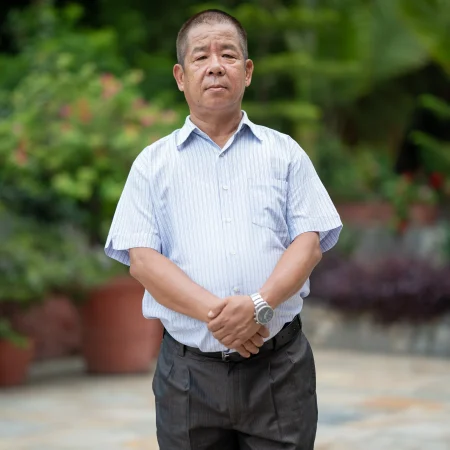
Hailing from the majestic Solukhumbu region, Narte Rai brings over 40 years of trekking experience across Nepal’s most iconic trails, including Annapurna, Everest, Langtang, and Mustang. Starting his journey as a porter, Narte’s dedication and hard work led him to become a licensed NTB guide, earning a reputation for his calm, friendly, and safety-focused approach.
With extensive high-altitude experience, Narte ensures every trek is not only safe but also enjoyable. Guests particularly appreciate his thoughtful care: he knows when to pause for rest, making even the most challenging uphill stretches feel manageable. His English language skills help him connect with international travelers, sharing insights about Nepal’s culture, mountains, and local life.
For Narte, guiding is more than a job. It’s a passion shaped by years of experience, hard work, and a love for the mountains. His goal is simple: to make every trek an unforgettable adventure, leaving guests with lasting memories of Nepal.
A Journey of Sisterhood, Strength & Stillness in the Himalayas FAQ
-
What should women pack for a high-altitude trek like Mardi Himal?
Essential items include warm trekking clothing, sturdy boots, layered jackets, gloves, sunglasses, sunscreen, water bottle, and a daypack . Also, bring personal medication, trekking poles, and a sleeping bag suitable for cold temperatures.
-
What permits and documents are required for trekking to Mardi Himal?
You need the Annapurna Conservation Area Permit (ACAP) and a Trekkers’ Information Management System (TIMS) card. All participants must carry a valid passport with at least six months’ validity.
-
Which is the best season to join a women-only Mardi Himal trek?
The best months are Spring (March–May) and Autumn (September–November). During these periods, the weather is stable, trails are clear, and mountain views are crisp and panoramic.
-
What is included in the cost of the All Women Mardi Himal Trek?
The trek package typically includes accommodation in tea houses/lodges, daily meals, experienced trekking guides, porters, permits, and transportation from/to Kathmandu. Personal expenses, tips, and travel insurance are usually not included.
-
How difficult is the Mardi Himal Base Camp trek for women beginners?
The Mardi Himal Base Camp trek is moderate in difficulty, suitable for women with basic fitness. Daily trekking ranges from 4–6 hours with gradual altitude gain, making it beginner-friendly while offering stunning views of the Annapurna range.
A Journey of Sisterhood, Strength & Stillness in the Himalayas Reviews





All Women Trek to Nepal: Mardi Himal Base Camp – 12 Days | Fixed Departure
Related trips
Other similar you may be interested in
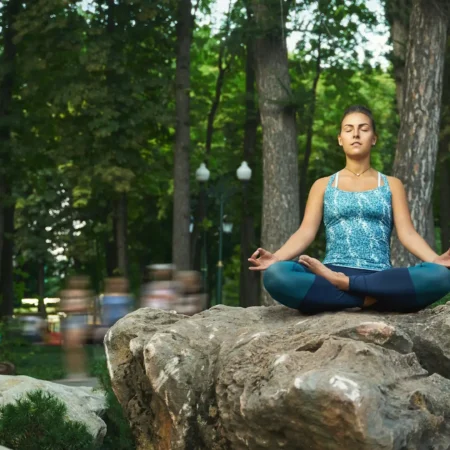
Duration: 6 Days
Max altitude: 2,100m (Nagarkot)
Price starts from: USD 485
All Women Nepal Wellness Tour: Ayurveda, Yoga & Digital Detox – 6 days
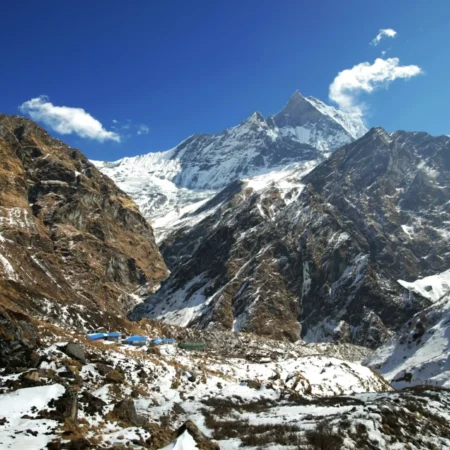
Duration: 10 Days
Max altitude: 4,130 m (Annapurna Base Camp)
Price starts from: USD 567
Annapurna Base Camp Trek – 10 Days
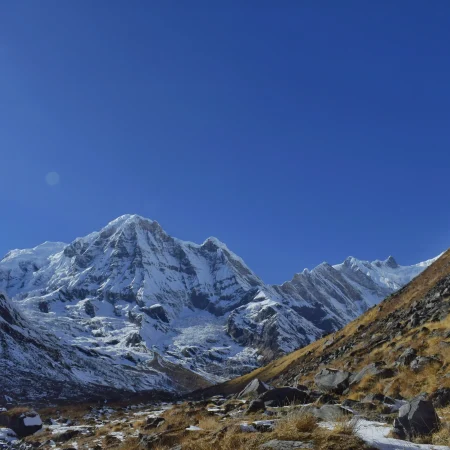
Duration: 08 Days
Max altitude: 4,200 m (Annapurna North Base Camp)