-

Duration
5 Days -

Accomodation
Lodge, Hotel -

Starts from
Pokhara -
Ends at
Pokhara -

Transportation
Car, Bus, Plane -

Max. Altitude
4500m -

Group size
Min. 2 pax -

Trip type
Trekking in Nepal

Trip Grade
Moderate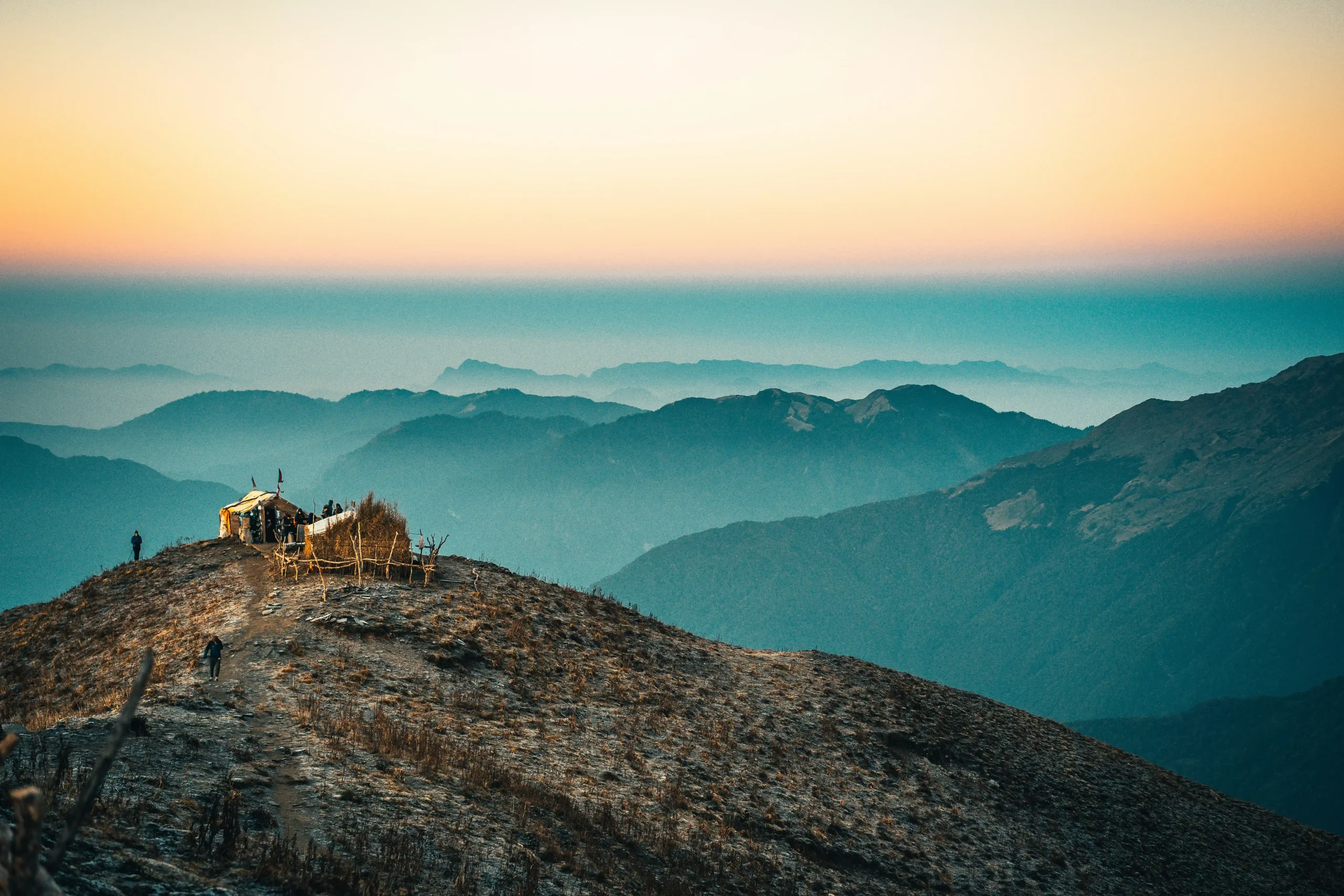
Imagine watching the first sunlight light up Machhapuchhre while clouds fill the valleys below. The Mardi Himal Base Camp Trek makes that experience possible in just five to seven days. Unlike many popular Annapurna routes, this trail stays quieter while offering remarkably close mountain views.
The trek begins near Pokhara and follows forest trails, traditional villages, and scenic ridgelines inside the Annapurna Conservation Area. It reaches Mardi Himal Base Camp at 4,500 meters (14,764 feet), placing you beneath one of Nepal’s most iconic peaks.
One thing surprises many first-time trekkers. The trail feels peaceful from the beginning, but everything changes after Forest Camp. Dense woodland gives way to open ridgelines, and Machhapuchhre suddenly dominates the skyline. Many travellers say this is the moment the trek truly begins.
If you’re choosing between the Mardi Himal Trek and Annapurna Base Camp, your available time often makes the decision easier. Mardi Himal offers a complete Himalayan trekking experience within one week without missing dramatic mountain scenery.
This guide is based on our experience operating treks in the Annapurna region. You’ll learn about the route, itinerary, permits, costs, accommodation, seasonal conditions, and practical planning tips. If you want a slower itinerary with extra acclimatization, explore our Mardi Himal Trek – 12 Days.
Is the Mardi Himal Base Camp Trek Worth It?
Yes. The Mardi Himal Base Camp Trek is one of Nepal’s most rewarding short treks. It combines peaceful trails, dramatic mountain scenery, and a manageable itinerary. The route reaches Mardi Himal Base Camp at 4,500 meters (14,764 feet). Most people complete the trek in five to seven days from Pokhara.
The trek suits beginners with good fitness as well as experienced hikers. Most trekking days involve four to seven hours of walking. A steady pace makes the journey more enjoyable and helps with altitude adjustment. Spring and autumn offer the best trekking conditions because they usually bring clear skies and excellent mountain views.
The route passes Kande, Forest Camp, Low Camp, High Camp, and Mardi Himal Base Camp before descending to Siding Village. One of the biggest surprises is how quickly the landscape changes after Forest Camp. Dense woodland gives way to open ridgelines with uninterrupted views of Machhapuchhre and the Annapurna range. This trek is an excellent choice for travellers who prefer peaceful trails without missing Nepal’s iconic Himalayan scenery.
Mardi Himal Trek at a Glance
| Feature | Details |
|---|---|
| Location | Annapurna Conservation Area, Kaski District, Nepal |
| Starting Point | Kande or Dhampus (via Pokhara) |
| Ending Point | Siding Village or Lumre |
| Duration | 5–7 days (8–10 days including Kathmandu) |
| Highest Point | Mardi Himal Base Camp – 4,500 m (14,764 ft) |
| Difficulty | Moderate |
| Daily Walking Hours | 4–7 hours |
| Total Trek Distance | Approximately 40–50 km (25–31 miles), depending on the itinerary |
| Best Seasons | Spring (March–May) and Autumn (September–November) |
| Maximum Elevation Gain | Around 900–1,000 m on the ascent to Base Camp |
| Accommodation | Local tea houses and mountain lodges |
| Meals Available | Breakfast, lunch, and dinner at tea houses |
| Required Permits | Annapurna Conservation Area Permit (ACAP) |
| Guide Requirement | A licensed guide is recommended and may be required under current trekking regulations. Check the latest rules before traveling. |
| Transportation | Drive between Pokhara and the trailhead |
| Mobile Network | NTC and Ncell coverage is available in some villages but becomes unreliable at higher elevations. |
| Electricity & Charging | Available at most tea houses. Charging may cost an extra fee at higher camps. |
| Wi-Fi | Limited. Available in some tea houses for an additional charge. |
| Estimated Budget | US$350–900 per person, depending on group size, services, and trekking style. |
Despite its short duration, the trek passes through forests, alpine ridgelines, and traditional villages before reaching dramatic Himalayan viewpoints.
Good preparation, realistic pacing, and proper gear help you enjoy a safer and more rewarding trekking experience.
Trip Highlights
- Trek to Mardi Himal Base Camp (4,500 m).
- Stunning views of Machhapuchhre and the Annapurna range.
- Walk through rhododendron forests and alpine trails.
- Stay in traditional mountain tea houses.
- Experience peaceful trails away from the crowds.
- Sunrise from High Camp with Himalayan panoramas.
- Explore Gurung villages and local culture.
- Scenic drive between Pokhara and the trailhead.
Trip Detailed itinerary
-
Drive to Kande and Trek to Forest Camp
Day
01
- Distance: 10–12 km
- Walking: 5–6 hours
- Elevation: 2,520 m
- Accommodation: Tea house
- Meals: Breakfast, Lunch, Dinner
Drive from Pokhara to Kande before starting the trek. The first day follows farms, forests, and traditional villages. Many trekkers are surprised by how peaceful the trail becomes after leaving Australian Camp.
Tip: Fill your water bottles before leaving Australian Camp because refill options become less frequent higher on the trail.
-
Forest Camp to Low Camp
Day
02
- Distance: 6–7 km
- Walking: 3–4 hours
- Elevation: 2,970 m
- Accommodation: Tea house
- Meals: Breakfast, Lunch, Dinner
Continue through rhododendron and oak forests. As the trail climbs higher, the trees gradually open to reveal the first close views of Machhapuchhre and the Annapurna range.
Tip: Watch for monkeys and Nepal’s colorful national bird, the Danphe.
-
Low Camp to High Camp
Day
03
- Distance: 6 km
- Walking: 4–5 hours
- Elevation: 3,580 m
- Accommodation: Tea house
- Meals: Breakfast, Lunch, Dinner
Follow the ridgeline toward High Camp. Our guides encourage a slower pace here because the thinner air becomes more noticeable with every climb.
Tip: Keep your down jacket and headlamp accessible. Even spring evenings at High Camp can drop below freezing.
-
High Camp to Mardi Himal Base Camp and Siding
Day
04
- Distance: 14–16 km
- Walking: 7–8 hours
- Elevation: 4,500 m
- Accommodation: Tea house
- Meals: Breakfast, Lunch, Dinner
We usually leave High Camp before sunrise. Many guests later tell us this becomes their favourite day because the sunrise gradually reveals Machhapuchhre and the surrounding peaks.
Tip: Walk at your own pace above 4,000 meters. Our guides monitor everyone closely during this section.
-
Drive from Siding to Pokhara
Day
05
- Driving: 2–3 hours
- Elevation: 822 m
- Meals: Breakfast
Enjoy one last mountain breakfast before returning to Pokhara. Many of our guests spend the afternoon relaxing by Phewa Lake before continuing their Nepal journey.
Tip: Carry enough cash before leaving Pokhara because digital payments remain unreliable in Siding and nearby villages.
Trip Price details
Price includes
- Airport pick-up and drop-off by private vehicle.
- Private transfer between Pokhara and the trek starting point.
- Private jeep transfer from Siding to Pokhara.
- Annapurna Conservation Area Permit (ACAP).
- Licensed English-speaking trekking guide.
- Porter service (1 porter for every 2 trekkers).
- 4 nights’ accommodation in mountain tea houses.
- Breakfast, lunch, and dinner during the trek.
- Guide and porter meals, accommodation, salary, and insurance.
- Government taxes and service charges.
Price excludes
- Nepal entry visa fees.
- Any Beverage and Tips.
- Any expenses of Personal Nature.
- Airport Departure Taxes.
- Any cost occurred due to landslide, political disorder or natural calamities, flight cancellation or any unforeseen reason, etc.
- Personal Travel Insurance.
- Lunch and Dinner in Kathmandu(Except Farewell Dinner and Welcome Dinner)
- Any cost items not mentioned in cost includes clause.
Trip Information
Is the Mardi Himal Base Camp Trek Right for You?
If you have one week in Nepal, the Mardi Himal Base Camp Trek is one of the best ways to experience the Himalayas. Most itineraries take five to seven days from Pokhara, making the trek suitable for travellers with limited time.
A common question is whether this trek is suitable for beginners. It is a good option for travellers with reasonable fitness and some preparation before arrival. Most trekking days involve four to seven hours of walking. Walking at a steady pace is more comfortable than rushing between tea houses. The trail begins in peaceful forests before opening onto exposed ridgelines. For many people, the first clear view of Machhapuchhre after Forest Camp becomes the highlight of the trek.
If you’re planning to trek with other women, our All Women Trek to Nepal: Mardi Himal Base Camp – 12 Days is a great option. It offers fixed departures, experienced female guides, and a supportive group atmosphere.
This trek is ideal if you:
- Have one week in Nepal and want a complete trekking experience.
- Prefer peaceful trails instead of crowded trekking routes..
- Enjoy sunrise views and mountain photography.
- Feel comfortable hiking several hours each day.
- Want to stay in traditional tea houses.
- Prefer a non-technical trek without climbing equipment.
This trek may not suit you if you:
- Have limited hiking experience and cannot prepare before your trip.
- Expect luxury accommodation throughout the trek.
- Prefer shorter walks with minimal elevation gain.
- Prefer lower-altitude walks with less physical effort.
We’ve found that trekkers enjoy this route most when they walk at their own pace. Our guides focus on steady progress rather than speed, helping guests enjoy the scenery while adjusting comfortably to the altitude.
Why Choose the Mardi Himal Base Camp Trek?
Many travellers choose the Mardi Himal Base Camp Trek because it offers a quieter alternative to Nepal’s busier trekking routes. Even within a week, you’ll experience forest trails, open ridgelines, traditional tea houses, and close views of Machhapuchhre without the crowds found on more popular routes.
The scenery changes quickly throughout the trek. Forest trails gradually lead to open ridgelines with close views of Machhapuchhre. Many first-time trekkers tell us they didn’t expect to be this close to the mountain without technical climbing.
Most tea houses between Forest Camp and High Camp are family-run. Evenings are often spent around the dining room stove, where trekkers share stories and check the next day’s weather. Staying in these small lodges also offers a chance to experience genuine mountain hospitality.
Most groups leave High Camp before sunrise. Early mornings are usually calmer and offer the clearest mountain views before clouds begin forming later in the day. Watching the first light reach Machhapuchhre is a highlight for many trekkers. If you have only one week in Nepal, this trek offers an excellent balance of scenery, walking time, and accessibility.
Where is Mardi Himal Base Camp?
Mardi Himal Base Camp lies within the Annapurna Conservation Area in western Nepal. If you’re planning to explore more routes in the region, read our Annapurna Region Trekking guide. It sits beneath the iconic Machhapuchhre (Fishtail) Mountain. Most trekkers begin with a short drive from Pokhara to Kande. The trail climbs through forests before reaching alpine ridgelines and High Camp.
As you gain elevation, Machhapuchhre, Annapurna South, Hiunchuli, and Annapurna I gradually fill the skyline. The biggest change comes after Forest Camp, where the trees give way to open ridgelines. From this point, the mountain views remain almost constant until Base Camp. Although the trail sits close to popular Annapurna routes, it usually feels much quieter, allowing you to enjoy the scenery without heavy crowds.
Elevation Profile
Understanding the elevation profile makes it easier to plan each trekking day. The climb is gradual until High Camp, where the trail becomes steeper on the final ascent to Mardi Himal Base Camp.
Although the highest point reaches 4,500 meters, the elevation increases gradually over several days. Above High Camp, the thinner air becomes more noticeable, making a steady pace more comfortable than rushing uphill.
| Location | Elevation |
|---|---|
| Pokhara | 822 m |
| Kande | 1,770 m |
| Forest Camp | 2,520 m |
| Low Camp | 2,970 m |
| High Camp | 3,580 m |
| Mardi Himal Base Camp | 4,500 m |
| Siding Village | Approximately 1,700 m |
The biggest elevation gain comes between High Camp and Mardi Himal Base Camp. Most trekkers start this section before sunrise because cooler temperatures and clearer morning skies make the climb more comfortable.
Mardi Himal Trek Route
The Mardi Himal Trek begins with a drive from Pokhara to Kande or Dhampus. From there, the route gradually climbs through forests, ridgelines, and alpine landscapes before reaching Mardi Himal Base Camp.
Kande to Forest Camp
Walk through rhododendron forests and traditional Gurung settlements. Many trekkers stop at Australian Camp because it offers the first wide Himalayan views of the journey.
Forest Camp to Low Camp
The forest gradually opens as you gain elevation. Many trekkers first appreciate how close Machhapuchhre feels from this section of the trail.
Low Camp to High Camp
Follow scenic ridgelines for four to five hours. Our guides often slow the pace here, allowing trekkers to enjoy the views while adjusting to the increasing altitude.
High Camp to Mardi Himal Base Camp
We usually leave High Camp before sunrise. Early departures often bring clearer mountain views and a more comfortable climb before clouds build.
Base Camp to Siding Village
Descend through forests to Siding Village. Many trekkers find this descent more tiring than the climb because of the long downhill sections.
Return to Pokhara
A two- to three-hour drive returns you to Pokhara. Many travellers choose to relax by Phewa Lake before continuing their journey across Nepal.
Detailed Mardi Himal Base Camp Trek Itinerary
Day 1: Drive to Kande and Trek to Forest Camp
- Distance: 10–12 km
- Walking: 5–6 hours
- Elevation: 2,520 m
- Accommodation: Tea house
- Meals: Breakfast, Lunch, Dinner
Drive from Pokhara to Kande before starting the trek. The first day follows farms, forests, and traditional villages. Many trekkers are surprised by how peaceful the trail becomes after leaving Australian Camp.
Tip: Fill your water bottles before leaving Australian Camp because refill options become less frequent higher on the trail.
Day 2: Forest Camp to Low Camp
- Distance: 6–7 km
- Walking: 3–4 hours
- Elevation: 2,970 m
- Accommodation: Tea house
- Meals: Breakfast, Lunch, Dinner
Continue through rhododendron and oak forests. As the trail climbs higher, the trees gradually open to reveal the first close views of Machhapuchhre and the Annapurna range.
Tip: Watch for monkeys and Nepal’s colorful national bird, the Danphe.
Day 3: Low Camp to High Camp
- Distance: 6 km
- Walking: 4–5 hours
- Elevation: 3,580 m
- Accommodation: Tea house
- Meals: Breakfast, Lunch, Dinner
Follow the ridgeline toward High Camp. Our guides encourage a slower pace here because the thinner air becomes more noticeable with every climb.
Tip: Keep your down jacket and headlamp accessible. Even spring evenings at High Camp can drop below freezing.
Day 4: High Camp to Mardi Himal Base Camp and Siding
- Distance: 14–16 km
- Walking: 7–8 hours
- Elevation: 4,500 m
- Accommodation: Tea house
- Meals: Breakfast, Lunch, Dinner
We usually leave High Camp before sunrise. Many guests later tell us this becomes their favourite day because the sunrise gradually reveals Machhapuchhre and the surrounding peaks.
Tip: Walk at your own pace above 4,000 meters. Our guides monitor everyone closely during this section.
Day 5: Drive from Siding to Pokhara
- Driving: 2–3 hours
- Elevation: 822 m
- Meals: Breakfast
Enjoy one last mountain breakfast before returning to Pokhara. Many of our guests spend the afternoon relaxing by Phewa Lake before continuing their Nepal journey.
Tip: Carry enough cash before leaving Pokhara because digital payments remain unreliable in Siding and nearby villages.
Mardi Himal Trek Map
A trekking map helps you understand daily walking distances, elevation gain, and overnight stops before your trek begins. Our team reviews the route with every group so trekkers know what to expect each day.
Most of our departures begin from Kande after a short drive from Pokhara. Some private itineraries start from Dhampus, depending on the trekking plan.
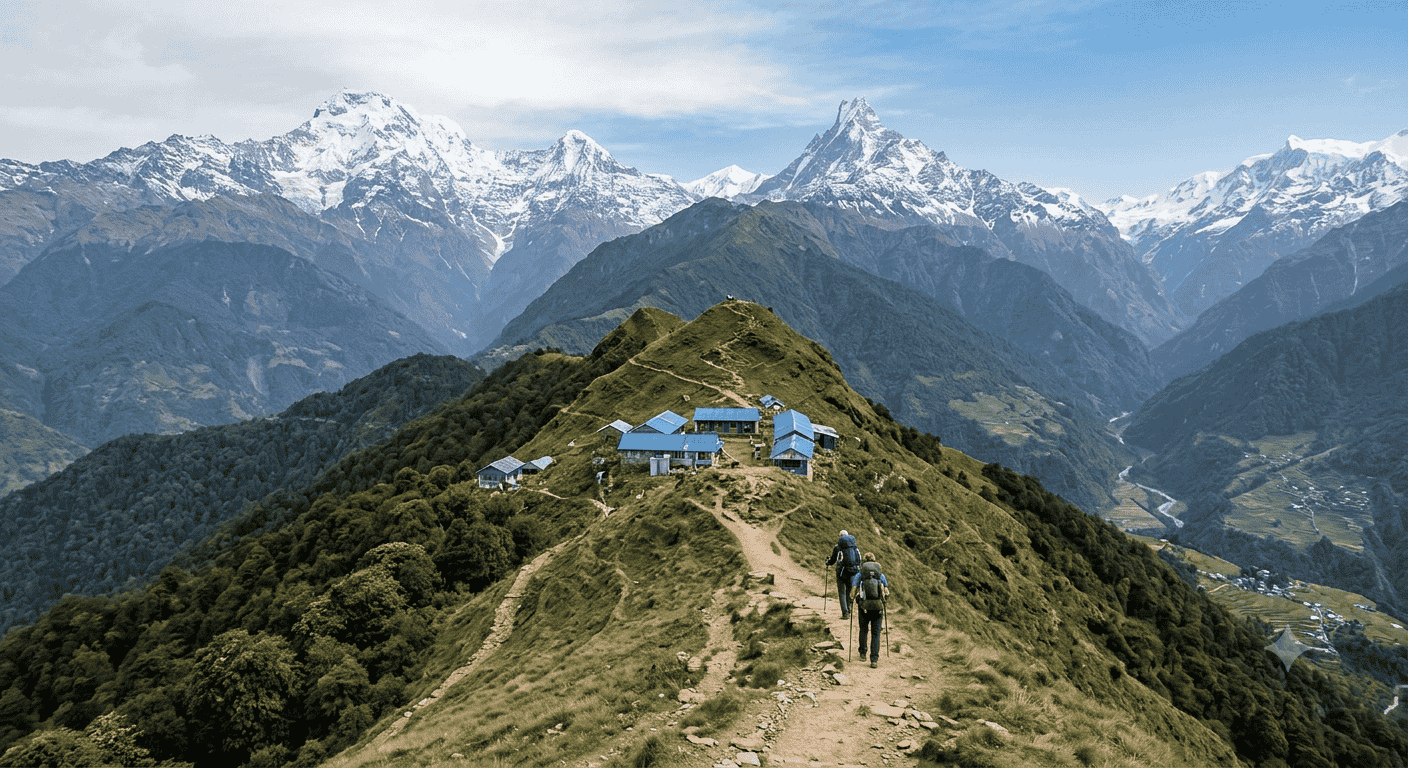
The trail passes Forest Camp, Low Camp, High Camp, and Mardi Himal Base Camp before descending through Siding Village. Many trekkers are surprised by how quickly the scenery changes after Forest Camp. The map also shows how the trail follows the ridgeline beneath Machhapuchhre. Our guides use these landmarks to explain each day’s progress before the trek begins.
Route Overview
Pokhara → Kande → Australian Camp → Forest Camp → Low Camp → High Camp → Mardi Himal Base Camp → High Camp → Siding → Pokhara
Mardi Himal Trek Cost
The Mardi Himal Trek costs US$350–900 per person. The final price depends on group size, guide services, accommodation, transportation, and your preferred trekking style.
| Expense | Estimated Cost (USD) |
|---|---|
| ACAP Permit | $30 |
| Guide | $30–40 per day |
| Porter | $20–25 per day |
| Accommodation | $8–15 per night |
| Meals | $20–35 per day |
| Pokhara Transportation | $20–80 |
| Hot Shower & Charging | $2–5 each |
| Wi-Fi | $2–4 |
| Travel Insurance | Varies |
A common question is whether hiring a guide is worth the extra cost. From our experience, a licensed guide does more than lead the way. They monitor your pace, help with logistics, communicate with tea houses, and respond quickly if weather or trail conditions change.
Most guided packages include permits, accommodation, transportation, guide services, and most meals. We always recommend checking the inclusions before confirming your booking. Always confirm what your package includes, especially transportation, permits, meals, and guide services. Spring and autumn departures usually cost more because they are the busiest trekking seasons in the Annapurna region. Private trips also cost more than group departures.
Carry enough cash for drinks, snacks, charging, Wi-Fi, and personal expenses. Once you leave Pokhara, ATMs are not available along the trekking route.
What Does the Trek Cost Include?
Most guided packages include permits, accommodation, transportation, guide services, and most meals. However, package inclusions vary between trekking companies, so review them carefully before booking to avoid unexpected costs.
Spring and autumn departures usually cost more because they are the busiest trekking seasons in the Annapurna region. Private treks also cost more than group departures. Carry enough cash for drinks, snacks, charging, Wi-Fi, and personal expenses. ATMs are not available after leaving Pokhara.
Most guided Mardi Himal Base Camp Trek packages include the following services:
- Licensed trekking guide
- Annapurna Conservation Area Permit (ACAP)
- Tea house accommodation
- Transportation between Pokhara and the trailhead
- Breakfast, lunch, and dinner during the trek
- Government taxes and service charges
When comparing trekking packages, look beyond the total price. Some lower-cost packages may exclude permits, transportation, meals, or porter services, which can increase your overall expenses during the trek.
Extra Expenses to Budget For
Some personal expenses are usually excluded from trekking packages. Planning for these costs helps you manage your budget throughout the trek.
These may include:
- Hot showers
- Wi-Fi access
- Battery charging
- Soft drinks and bottled water
- Snacks and alcoholic beverages
- Travel insurance
- Tips for guides and porters
- Personal shopping
From our experience, trekkers usually spend more on drinks, charging, and snacks than they expect. Carrying a small cash reserve makes the journey more comfortable and avoids unnecessary stress at higher elevations.
Carry enough cash before leaving Pokhara. ATMs are unavailable along the trekking route.
Best Time to Trek Mardi Himal Base Camp
We recommend April and October because these months usually offer the clearest mountain views and the most reliable trekking conditions. Many of our departures during these months experience stable morning weather.
| Season | Overview |
|---|---|
| Spring (March–May) | The best season for blooming rhododendrons, comfortable temperatures, and excellent mountain views. Trails are moderately busy. |
| Summer/Monsoon (June–August) | Frequent rain creates muddy trails and limited visibility. Suitable for trekkers who prefer quieter trails and are prepared for daily rain and reduced visibility. |
| Autumn (September–November) | The most popular trekking season with clear skies, stable weather, and outstanding Himalayan views. |
| Winter (December–February) | Cold temperatures and occasional snowfall. Winter offers quieter trails and snow-covered landscapes. Proper clothing and flexible planning become more important during this season. |
Many travellers ask us whether spring or autumn is better. If your priority is rhododendron blooms, choose spring. If you prefer the clearest mountain views, autumn is usually the better choice.
Weather changes quickly in the Himalayas, so always check the latest mountain weather forecast before leaving Pokhara.
If you’re visiting Nepal mainly for clear mountain views, we usually recommend spring or autumn. Travellers looking for quieter trails sometimes choose winter, while monsoon trekking suits experienced hikers prepared for changing weather.
Mardi Himal Trek Difficulty
The Mardi Himal Base Camp Trek is moderately difficult. We usually recommend it to trekkers with good fitness who can comfortably walk several hours each day.
Expect four to seven hours of hiking each day. The longest day includes the climb to Mardi Himal Base Camp. Many of our guests are surprised that the descent feels more demanding than the climb because of the long downhill sections.
The highest point reaches 4,500 meters. Most trekkers notice the thinner air after High Camp. Our guides encourage everyone to walk at their own pace instead of keeping up with faster hikers. This helps reduce fatigue and makes the final climb more comfortable.
Trekking poles improve balance and reduce pressure on your knees during steep descents. Many guests appreciate them most on the return to Siding, where the downhill sections are longer. Many beginners complete this trek successfully with proper preparation. Regular stair climbing and day hikes help build endurance before arriving in Nepal. During the trek, walk steadily, stay hydrated, and avoid rushing uphill.
What Does a Typical Trekking Day Look Like?
Each trekking day follows a comfortable routine. Your schedule may change because of weather, trail conditions, or your group’s walking pace. Our guides begin each day after breakfast and adjust the pace to match the group. Regular breaks allow trekkers to rest, enjoy the scenery, and stay comfortable throughout the day.
Most trekkers finish walking by mid-afternoon. This leaves time to relax, enjoy the surroundings, and prepare for the next day. Our guides adjust the walking pace to match the group instead of following a fixed schedule. This helps everyone trek comfortably while adapting to the altitude.
| Time | Activity |
|---|---|
| 6:00–7:00 AM | Wake up and enjoy breakfast |
| 7:30–8:00 AM | Begin the day’s trek |
| 10:00 AM | Short rest and refreshments |
| 12:00–1:00 PM | Lunch at a tea house |
| 1:00–3:00 PM | Continue trekking |
| 3:00–4:00 PM | Arrive at the next overnight stop |
| 6:00–7:00 PM | Dinner and trek briefing |
| 8:00–9:00 PM | Rest for the next day |
Many first-time trekkers worry about keeping up with the group. Our guides encourage everyone to walk at a comfortable pace because the goal is to complete the trek safely, not to finish first.
Most trekkers finish walking by mid-afternoon. This gives you time to rest, enjoy the surroundings, and prepare for the next day. During every trek, our guides adjust the pace to match the group instead of following a fixed schedule. This creates a more comfortable experience and supports better altitude adjustment.
Altitude Sickness on the Mardi Himal Trek
Altitude sickness can affect anyone above 2,500 meters, regardless of age or fitness level. Learn more about prevention and recognition of symptoms in the CDC’s high-altitude travel guidance before your trek. Good fitness helps with endurance, but it does not prevent altitude sickness. Common symptoms include headache, nausea, dizziness, fatigue, and poor sleep. Never ignore these warning signs. Walk at a steady pace, stay well hydrated, and avoid alcohol during the trek. Our guides also encourage trekkers to speak up if they notice even mild symptoms.
If symptoms become worse, stop climbing immediately. Descending to a lower altitude is the safest treatment. Our guides monitor everyone closely above High Camp because altitude symptoms can develop quickly at higher elevations. If needed, they adjust the pace or begin a safe descent immediately.
Most trekkers reach Base Camp comfortably by walking steadily, staying hydrated, and listening to their guide’s advice. Tell your guide or trekking partner if you feel unwell. Early action prevents minor symptoms from becoming emergencies.
Mardi Himal Trek Permits
The Mardi Himal Base Camp Trek requires an Annapurna Conservation Area Permit (ACAP). This permit supports conservation, trail maintenance, and visitor management.
| Permit | Details |
|---|---|
| Annapurna Conservation Area Permit (ACAP) | Required for all foreign trekkers. Costs NPR 3,000 per person. |
| TIMS Card | Not required for most trekkers under current regulations. |
Obtain your ACAP permit in Kathmandu or Pokhara before starting the trek. Carry your passport and passport-sized photos if required.
Permit requirements may change. Always verify the latest regulations through the Nepal Tourism Board before your trip. Based on our trekking experience, permit requirements occasionally change, especially after regulatory updates.
Accommodation on the Mardi Himal Trek
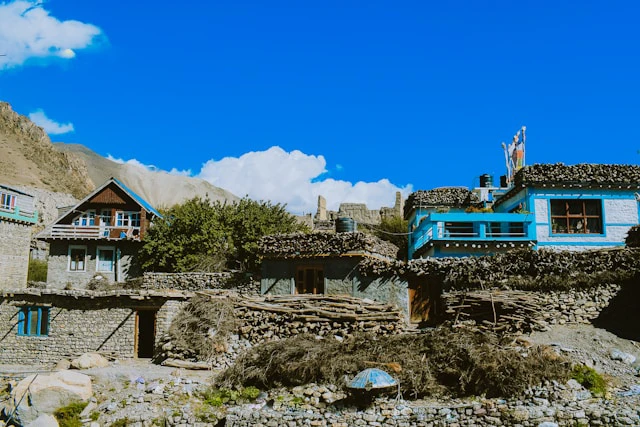
Tea houses provide accommodation throughout the Mardi Himal Trek. Most are family-run and offer genuine mountain hospitality. Rooms usually include twin beds, pillows, and blankets. Bedrooms remain unheated, especially above High Camp.
Hot showers, charging, and Wi-Fi are available in many tea houses. These services usually cost extra at higher elevations. Dining rooms stay warm around a central stove each evening. Bring a warm sleeping bag because bedrooms remain unheated.
Book early during spring and autumn because tea houses fill quickly. Our guides reserve rooms early during peak trekking seasons whenever possible.
Food During the Mardi Himal Trek
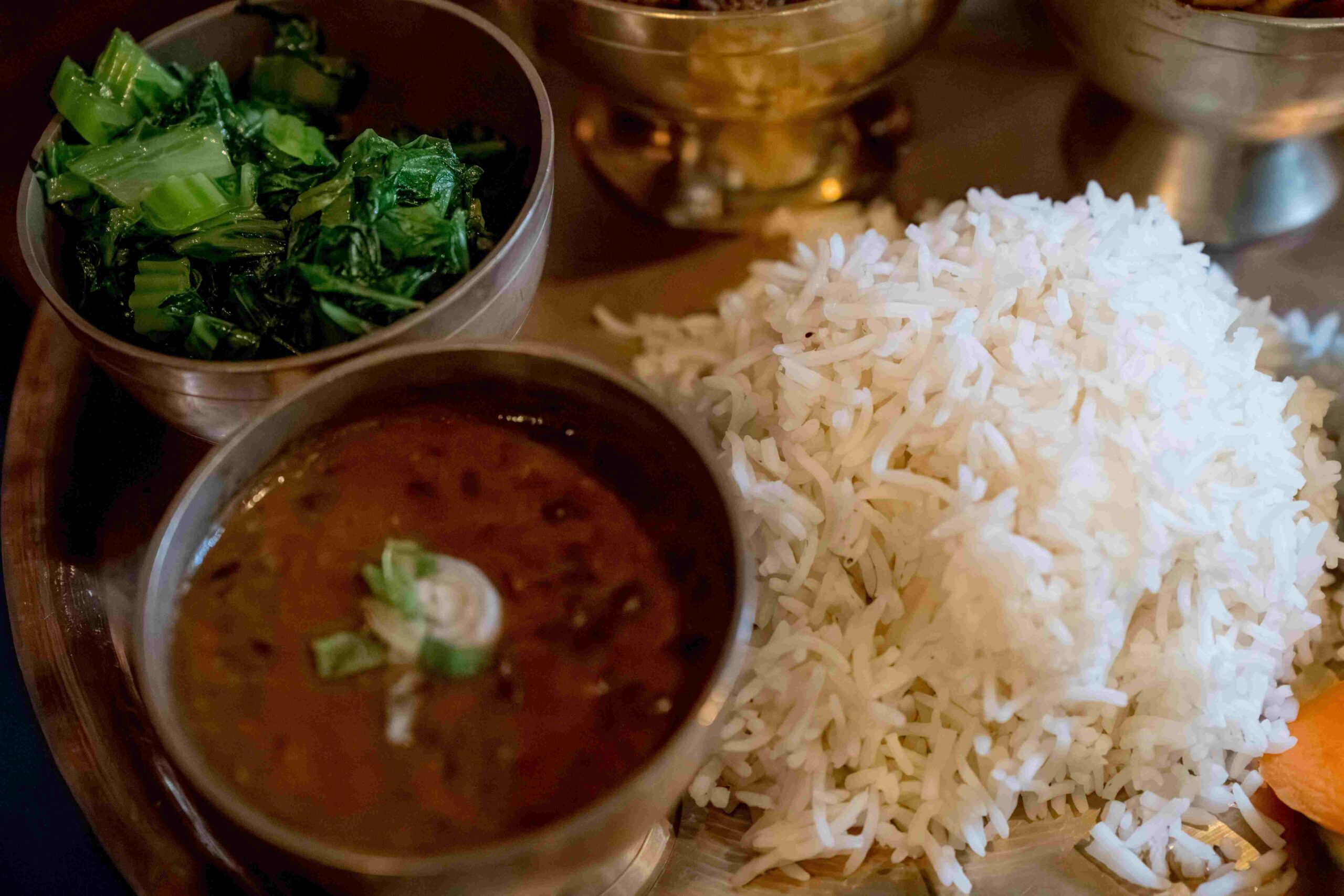
Tea houses serve fresh, filling meals throughout the trek. Menus become simpler as you gain altitude. Dal Bhat is the most popular meal on the trail. It provides lasting energy and usually includes free refills. Our guides often recommend it before longer hiking days because it keeps trekkers fueled for hours.
Many tea houses prepare meals after you order, so expect fresh food and a short wait. Menus also include fried rice, momos, pasta, potatoes, eggs, soups, pancakes, and porridge.
Tea, coffee, ginger tea, and hot lemon are widely available. Drink treated or filtered water throughout the trek. Food prices increase with elevation because every supply is carried uphill. Carry energy bars or dried fruit for longer hiking days.
Average Food and Drink Prices
Food prices increase with altitude because every supply is carried uphill. Carry enough cash for meals, drinks, and personal expenses during the trek.
| Item | Approximate Price (NPR) |
|---|---|
| Dal Bhat | 700–1,000 |
| Fried Rice | 600–900 |
| Noodles | 500–800 |
| Momos | 600–900 |
| Pancakes | 500–800 |
| Tea | 150–300 |
| Coffee | 250–500 |
| Bottled Water | 150–400 |
| Hot Lemon | 200–350 |
Dal Bhat remains the most popular meal among trekkers. It provides lasting energy for long walking days. Carry a reusable water bottle and water purification tablets. This reduces plastic waste and helps lower daily expenses.
Note: Prices are approximate and may change with the trekking season and transportation costs.
Mardi Himal Trek Packing List
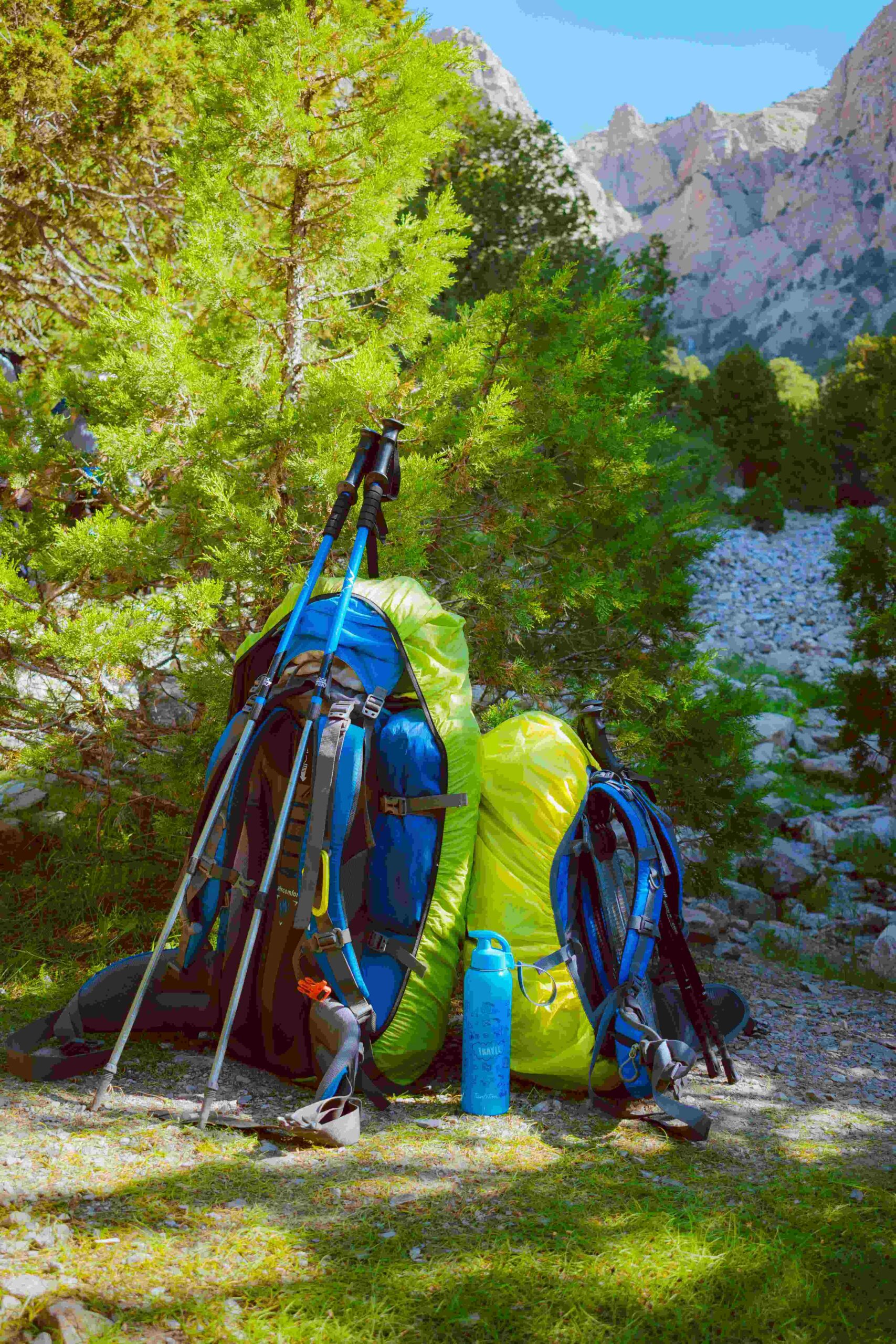
Pack light but carry the essentials. A backpack weighing 8–12 kg is comfortable for most trekkers.
| Category | Essential Items |
|---|---|
| Clothing | Moisture-wicking shirts, trekking pants, fleece jacket, down jacket, rain jacket, gloves, hat, warm socks |
| Footwear | Broken-in trekking boots, camp shoes, gaiters (optional) |
| Gear | Backpack, sleeping bag, trekking poles, headlamp, sunglasses, reusable water bottles |
| Health | Personal medicines, first-aid kit, sunscreen, lip balm, water purification tablets |
| Documents | Passport, permits, travel insurance, cash, passport-sized photos |
Keep your waterproof jacket in your daypack because weather can change quickly above High Camp. Having it within easy reach saves time when conditions change suddenly.
Weather can change quickly above High Camp, so keep your rain jacket within easy reach.
Transportation for the Mardi Himal Trek
The Mardi Himal Trek begins near Pokhara, making it easy to reach by road or air. Most of our guests spend one night in Pokhara before starting the trek. This gives them time to rest and prepare their gear before heading into the mountains.
From Kathmandu, you can travel by tourist bus or domestic flight. Tourist buses take 7–9 hours, while flights reach Pokhara in about 25 minutes. After arriving in Pokhara, drive 1–1.5 hours to Kande or Dhampus. Both trailheads connect to the standard Mardi Himal route.
The trek usually ends at Siding Village. From there, a jeep returns to Pokhara in about 2–3 hours. During the monsoon, heavy rain can make sections of the road rough. Before every departure, our guides confirm road conditions with local drivers and accommodation partners. This helps us respond quickly if weather affects transportation.
Private jeeps offer greater comfort and flexibility, while shared vehicles provide a more affordable option. Before booking your trek, confirm your pickup location, return transfer, and luggage arrangements to avoid confusion on travel days.
Guide vs Solo Trek: Which Is Better?
The Mardi Himal Trek suits both guided and independent trekkers. The best choice depends on your experience and travel style. A licensed guide manages navigation, permits, accommodation, and daily logistics. This allows you to enjoy the trek without worrying about day-to-day planning. This lets you focus on the trail and mountain scenery.
Guides also recommend suitable tea houses, monitor altitude symptoms, and adjust plans when mountain weather changes. Independent trekking offers greater flexibility, but you’ll be responsible for planning, navigation, and any unexpected changes.
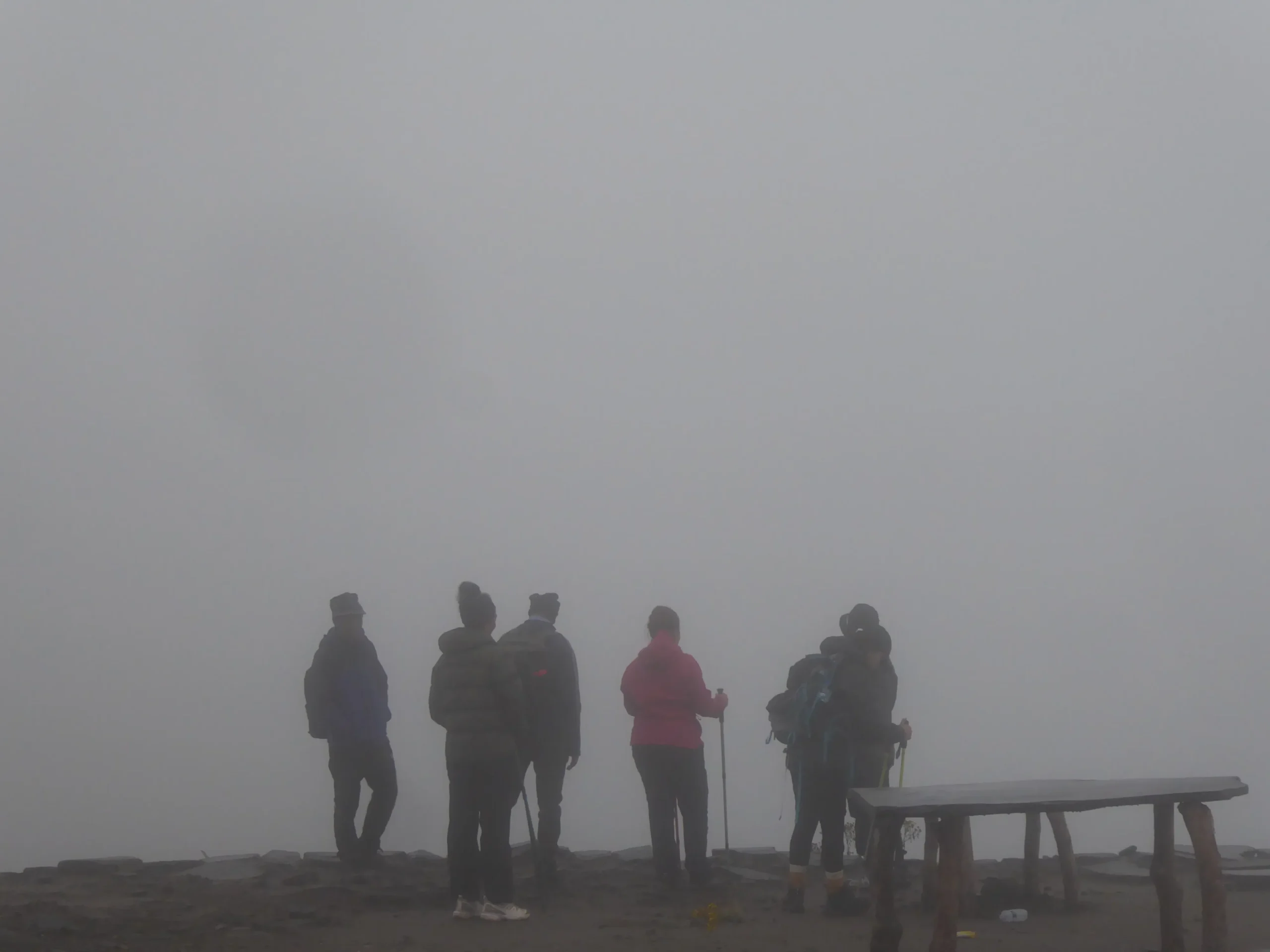
However, weather can change quickly at higher elevations. Fog and poor visibility sometimes make route finding more difficult. During our treks, guides also monitor changing weather, adjust the pace, and respond quickly if unexpected situations arise. They also help communicate with tea house owners and local communities.
Check Nepal’s latest trekking regulations before planning an independent trek. Requirements may change over time. Many guests tell us that conversations with local guides become one of the most memorable parts of the journey. They share mountain culture, trail updates, and local traditions that most visitors would otherwise miss.
| Guided Trek | Solo Trek |
|---|---|
| Better for first-time visitors | Better for experienced trekkers |
| Local knowledge and safety support | Complete freedom and flexibility |
| Logistics managed for you | You arrange permits and accommodation |
| Higher overall cost | Lower overall cost |
| Easier during emergencies | Requires greater self-reliance |
Most first-time trekkers feel more confident with a licensed guide. Experienced trekkers may prefer independent travel when regulations allow.
Useful Mardi Himal Trekking Tips
Good preparation makes the Mardi Himal Trek safer and more enjoyable. Small details often improve your overall trekking experience.
Our Guide’s Tip: Recharge your phone or camera whenever electricity is available. Charging facilities become limited at higher elevations.
- Carry enough cash before leaving Pokhara because tea houses and local shops accept cash only.
- NTC and Ncell work in some villages, but coverage becomes unreliable at higher elevations.
- Charging electronic devices usually costs extra in most tea houses.
- Bring a reusable water bottle and water purification tablets to reduce plastic waste and save money.
- Carry a small power bank because charging opportunities become limited at higher elevations.
- Pack a waterproof jacket, even during spring and autumn.
- Start hiking early because mornings usually provide the clearest mountain views and more comfortable temperatures.
- Wear layered clothing so you can adjust to changing temperatures.
- Choose travel insurance that covers high-altitude trekking and emergency helicopter evacuation.
- Respect local customs by greeting people with “Namaste” and asking permission before photographing local residents.
- Keep your camera ready during sunrise and sunset for the clearest mountain views.
A little preparation makes a big difference on this trek. Most experienced trekkers pack light, walk at a steady pace, and stay flexible because mountain conditions can change quickly.
Common Mistakes
Based on our trekking experience, most problems on the Mardi Himal Trek are easy to avoid with good preparation and a sensible walking pace.
- Wearing new boots
- Carrying too much weight
- Starting late from High Camp
- Drinking too little water
- Ignoring early altitude symptoms
Mardi Himal Trek vs Annapurna Base Camp Trek
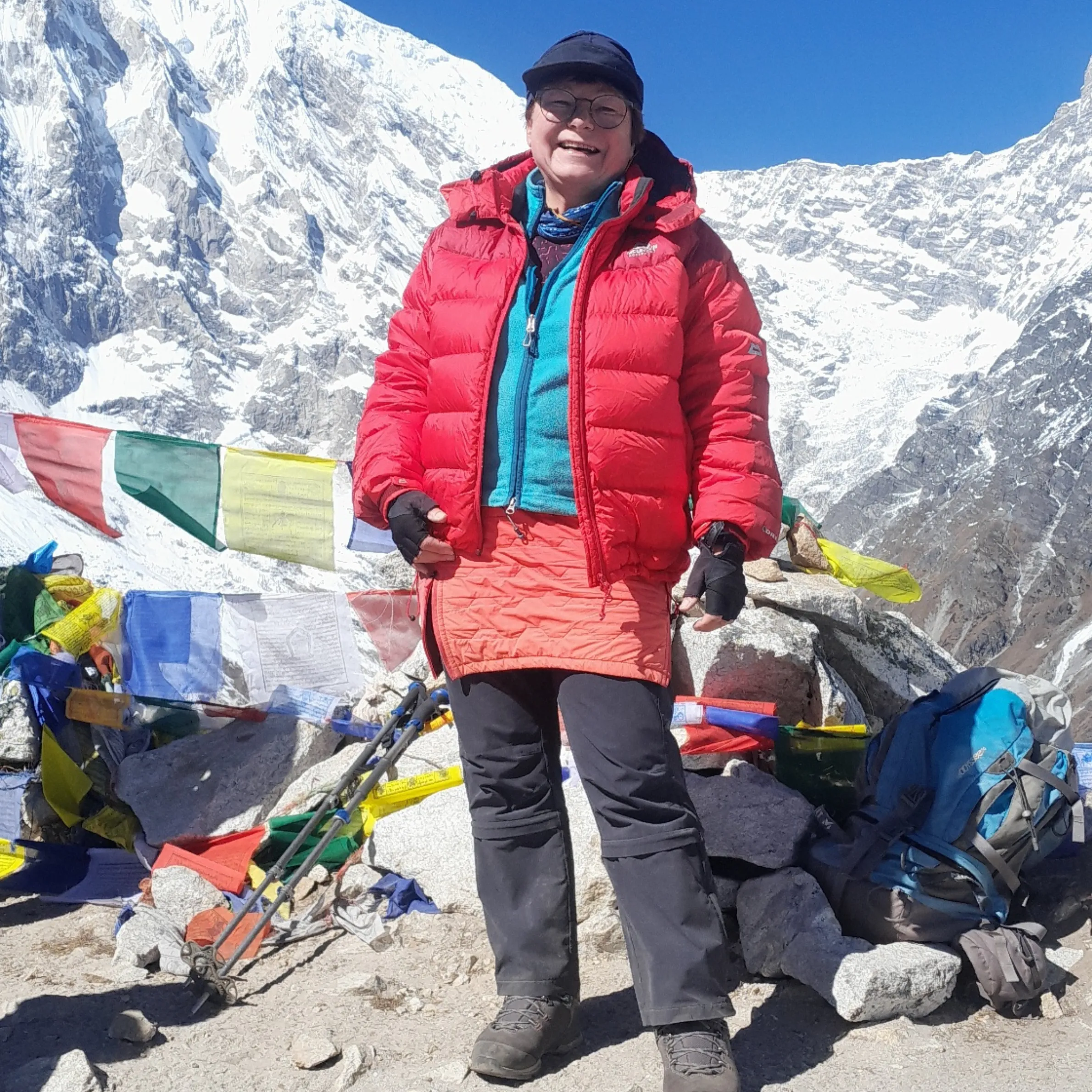
Both treks offer unforgettable Himalayan scenery. The right choice depends on your time, fitness, and trekking goals.
| Feature | Comparison |
|---|---|
| Duration | Mardi Himal takes 5–7 days. Annapurna Base Camp usually takes 7–12 days. |
| Distance | Mardi Himal covers 40–50 km. Annapurna Base Camp covers approximately 70–110 km. |
| Highest Point | Mardi Himal Base Camp reaches 4,500 m. Annapurna Base Camp reaches 4,130 m. |
| Difficulty | Both are moderate. Mardi has steeper climbs, while Annapurna involves longer walking days. |
| Scenery | Mardi offers ridgelines and close Machhapuchhre views. Annapurna features glaciers, valleys, and a mountain amphitheater. |
| Crowds | Mardi is generally quieter. Annapurna Base Camp attracts more trekkers during peak seasons. |
| Best For | Mardi suits shorter holidays. Annapurna suits trekkers wanting a longer Himalayan journey. |
Many travellers ask us which trek we recommend. If you have one week and prefer quieter trails, Mardi Himal is an excellent choice. If you have more time and want a longer Himalayan journey, Annapurna Base Camp offers greater landscape variety and a longer trekking experience.
Why Trek with Euro Asia Treks?
Choosing the right trekking company is as important as choosing the right route. Local knowledge, careful planning, and experienced guides help create a safer and more enjoyable journey.
Euro Asia Treks is a locally operated trekking company based in Nepal. Our team has guided trekkers across the Annapurna, Everest, Langtang, and Manaslu regions. We help travellers choose routes that match their fitness, interests, available time, and trekking experience.
Before every departure, our guides brief trekkers on the day’s route, expected weather, and water refill points. If conditions change, we adjust the itinerary to keep the trek safe while protecting the overall experience.
Our licensed guides monitor your pace throughout the trek and encourage regular hydration and rest. If weather changes or someone feels unwell, they adapt the day’s plan instead of following a fixed schedule.
We also keep track of trail conditions and tea house availability during busy trekking seasons. This allows us to coordinate accommodation and daily logistics more efficiently.
Every group walks at its own pace. We adjust the itinerary whenever needed to support comfortable acclimatization without rushing the journey.
Whether you travel alone, with family, or in a private group, we recommend the itinerary that best matches your goals. If another trek better suits your experience or schedule, we will recommend that instead.
From your first enquiry until you return to Pokhara, our team provides practical advice and local support. Our goal is to help you experience Nepal’s mountains with confidence while respecting local communities and mountain environments.
About the Author
This guide was prepared by the Euro Asia Treks editorial team with input from our licensed trekking guides in the Annapurna region. We regularly update our trekking guides using route conditions, operational experience, and feedback from recent trekkers to keep the information practical and accurate.
Why Trust This Guide?
This guide is based on our experience leading treks in the Annapurna region. We review this guide regularly using current trail conditions, operational updates, and feedback from recent trekking departures.
Our team reviews permit information, transportation, accommodation, and seasonal conditions before updating this guide. However, mountain weather and trekking regulations may change without notice.
We encourage every trekker to check the latest permit requirements and weather forecasts before starting the journey. Good preparation helps you enjoy a safer trekking experience.
If you have questions about the Mardi Himal Base Camp Trek, our local team is happy to provide practical advice before your trip.
Final Thoughts
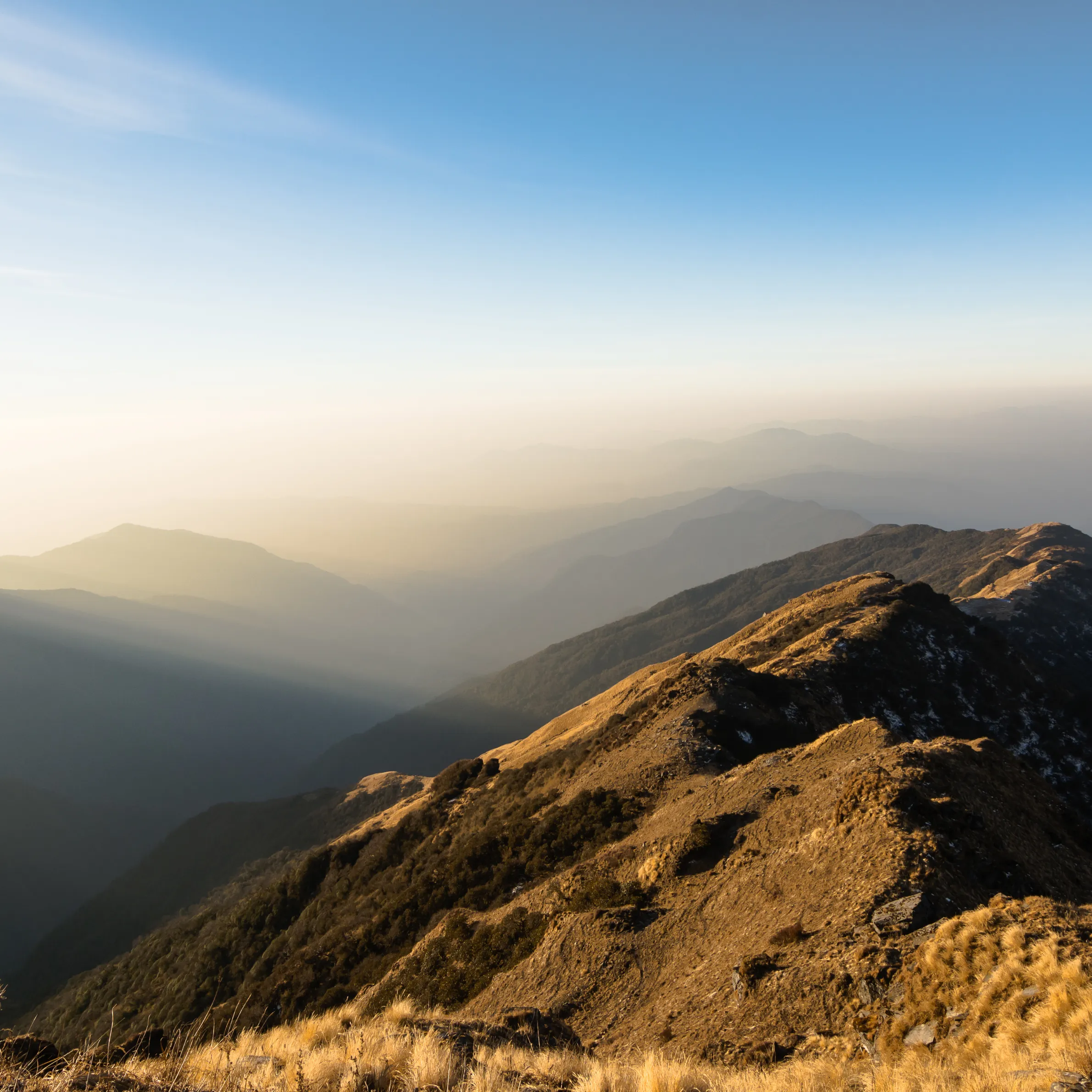
Mardi Himal offers a rewarding trekking experience without the longer commitment required for routes like Annapurna Circuit or Everest Base Camp. Its shorter duration makes it suitable for travellers with limited time while still delivering a rewarding mountain experience.
The route combines peaceful forests, scenic ridgelines, and unforgettable views of Machhapuchhre, Annapurna South, and Hiunchuli. With proper preparation, a steady pace, and experienced local guides, most trekkers complete the journey comfortably.
Whether this is your first trek in Nepal or your next Himalayan adventure, careful planning makes a meaningful difference. Choosing the right season, packing wisely, and trekking responsibly will help you enjoy the experience safely.
If you are planning the Mardi Himal Trek, our team at Euro Asia Treks is ready to help you choose the right itinerary and support you throughout your journey.
Plan Your Mardi Himal Base Camp Trek with Local Experts
Planning a Himalayan trek is easier with experienced local support. The right advice helps you avoid common mistakes and travel confidently.
We create customized Mardi Himal itineraries for solo travellers, couples, families, and private groups based on your fitness, schedule, and travel goals.
Our licensed local guides provide practical support before and during your trek. We assist with permits, transportation, accommodation, and trip planning.
Have questions about the Mardi Himal Base Camp Trek? Contact Euro Asia Treks for honest advice and a personalized trekking plan before your journey begins. You can also explore our complete collection of Nepal trekking packages.
Trip FAQ
-
Is the Mardi Himal Base Camp Trek suitable for beginners?
Yes. Many first-time trekkers complete Mardi Himal successfully with good preparation, reasonable fitness, and a steady walking pace. A licensed guide can make the experience safer and more enjoyable.
-
How many days does the Mardi Himal Base Camp Trek take?
Most trekkers complete the route in 5–7 days from Pokhara. Some itineraries include extra acclimatization or sightseeing days. Your schedule depends on fitness, weather, and transportation.
-
How difficult is the Mardi Himal Trek?
Most first-time trekkers tell our guides that Day 4 feels harder than expected because of the early start and higher elevation. Steep climbs and high altitude require reasonable fitness. No technical climbing skills or mountaineering experience are necessary.
-
What is the highest point of the Mardi Himal Trek?
The highest point is Mardi Himal Base Camp, located at 4,500 meters (14,764 feet). Many trekkers also stop at the nearby Upper Viewpoint before returning.
-
What permits are required for the Mardi Himal Trek?
You need an Annapurna Conservation Area Permit (ACAP). Permit requirements may change, so verify the latest regulations before your trek.
-
When is the best time to trek Mardi Himal?
During October and November, our groups usually leave High Camp before sunrise because clouds often develop by late morning. Spring brings blooming rhododendrons, but afternoon haze is more common than in autumn.
-
Can I trek Mardi Himal without a guide?
Guided trekking is recommended because local guides assist with navigation, logistics, changing weather, and altitude awareness. Always check Nepal’s latest trekking regulations before planning an independent trek.
-
Is altitude sickness common on the Mardi Himal Trek?
Walk at a steady pace, drink enough water, and avoid rapid elevation gain. Descend immediately if symptoms become severe.
-
What accommodation is available during the trek?
Tea houses become busier during October and November. Reaching your overnight stop earlier often gives you more room choices and a warmer dining area.
-
How much does the Mardi Himal Base Camp Trek cost?
The Mardi Himal Trek usually costs US$350–900 per person. The final price depends on group size, services, transportation, and travel style.
Trip Reviews





Mardi Himal Base Camp Trek: Route, Cost, Itinerary & Best Time
Related trips
Other similar you may be interested in
Duration: 10 Days
Max altitude: 4,130 m (Annapurna Base Camp)
Price starts from: USD 567
Annapurna Base Camp Trek – 10 Days
Duration: 08 Days
Max altitude: 4,200 m (Annapurna North Base Camp)
Annapurna North Base Camp Trek – 08 Days
Duration: 12 Days
Max altitude: 4,500 m (Mardi Himal Base Camp)