-

Duration
8 Days Days -

Accomodation
Mountain Teahouses -

Starts from
Kathmandu -
Ends at
Kathmandu -

Transportation
Private vehicle -

Max. Altitude
4,984 m (Tserko Ri) -

Group size
Small groups| Private Trip -

Trip type
Peak Climbing

Trip Grade
ModerateThe Langtang Valley Trek is one of Nepal’s most spectacular yet accessible Himalayan journeys, offering an extraordinary blend of dramatic alpine scenery, ancient glacial valleys, and authentic cultural encounters. Designed for travelers seeking a profound connection with the Himalayas without the extreme altitudes of longer expeditions, this trek leads deep into the “Valley of Glaciers” near the Tibetan border.
Key Stops Along the Trail:
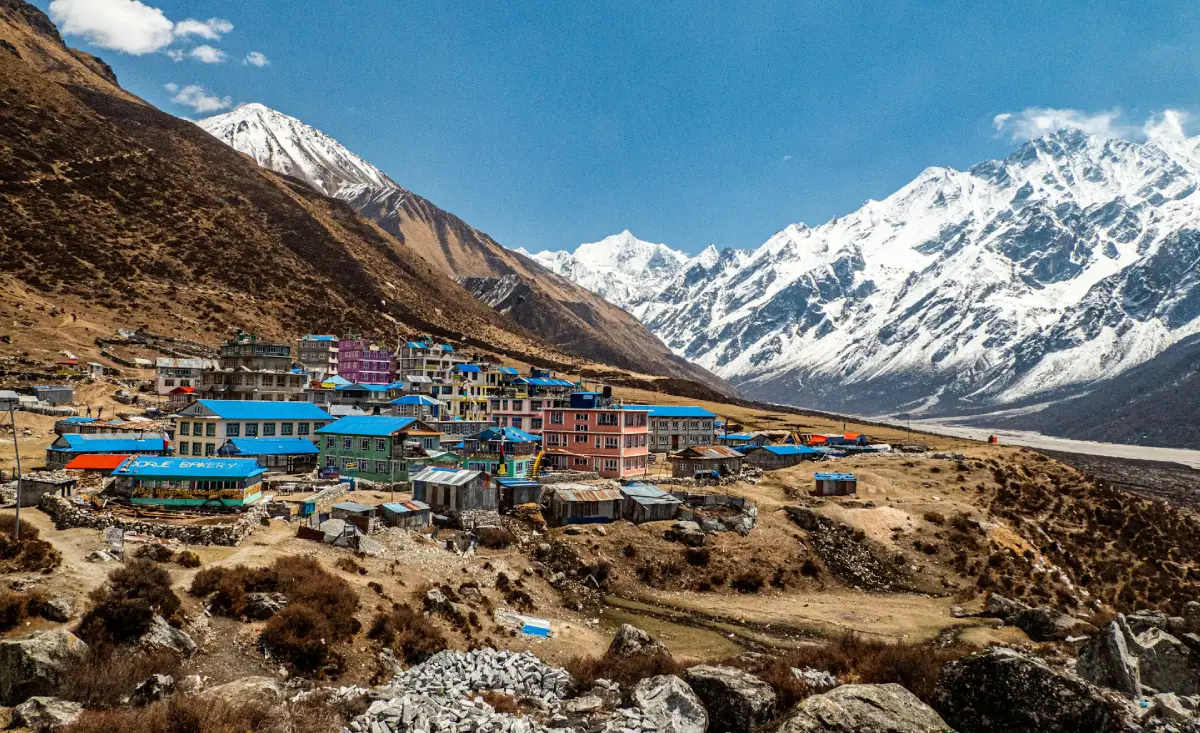
- Syabrubesi (1,550m) – The Gateway to Langtang: A vibrant rural settlement that serves as the official starting point and primary gateway to the Langtang trails.
- Lama Hotel (2,470m) – A Peaceful Forest Retreat: A quiet forest clearing reached by ascending through dense, wildlife-rich oak, bamboo, and rhododendron forests.
- Langtang Village (3,430m) – Rebuilt After the Devastating 2015 Earthquake: As the cultural heart of the valley’s Tamang community, Langtang Village stands as a powerful testament to local resilience. The beautifully rebuilt traditional stone homes are surrounded by expansive alpine shrubs and pastures, offering trekkers a deep cultural immersion and dramatic, close-up views of Langtang Lirung.
- Kyanjin Gompa (3,870m) – A Spiritual Alpine Hub: The highest permanent settlement on the route, set in a striking amphitheater of peaks, home to a historic Buddhist monastery and the region’s famous traditional yak cheese factory.
- Tserko Ri (4,984m) – The Ultimate Himalayan Viewpoint: A profound and challenging optional day hike that rewards trekkers with unmatched, 360-degree panoramic views of over 20 towering Himalayan peaks and ancient sprawling glaciers.
The journey unfolds through dense oak and rhododendron forests, roaring river gorges, and traditional Tamang villages. With carefully balanced walking days and comfortable mountain lodges, the trek provides a rewarding adventure culminating in the optional but unforgettable ascent of Tserko Ri, offering sweeping panoramic views of Langtang Lirung and surrounding Himalayan giants.
Why Choose Euro Asia Tours for the Langtang Valley Trek
Choosing the right operator is crucial for a remote and expedition-style trek like the Langtang Valley Trek, where safety, logistics, and local expertise matter far more than comfort alone. Euro Asia Tours brings decades of hands-on Himalayan experience to ensure a well-organized, responsible, and rewarding journey.
- 30+ Years of Trusted Himalayan Experience: Euro Asia Tours is a well-established Nepali travel company with nearly three decades of experience operating treks across the Annapurna, Everest, Langtang, and remote regions of Nepal. Over the years, we have successfully operated during challenging periods – including the Maoist insurgency and the COVID-19 pandemic – adapting to changing conditions while prioritizing client safety and service continuity. These experiences have shaped us into one of Nepal’s most reliable and resilient trekking operators.
- Strong Focus on Safety & Risk Management: Safety is at the core of our operations. Our trekking guides are experienced, calm, and safety-focused, with extensive high-altitude knowledge. Daily health monitoring, conservative pacing, and clear communication help reduce risks associated with altitude and remote travel. We prioritize informed decision-making over rigid schedules, allowing flexibility when conditions require it.
- Carefully Designed Acclimatization Itinerary: This itinerary is thoughtfully structured to allow gradual altitude gain, strategic overnight stops, and sufficient recovery time. Proper acclimatization is especially important on the Langtang Valley trek, where facilities are limited. Our pacing and route design help minimize altitude-related issues while maintaining a rewarding trekking experience.
- Experienced Local Guides & Ethical Staffing: We work with licensed, professional trekking guides and support staff who have deep knowledge of the region’s terrain, weather patterns, and local culture. Wherever possible, we employ staff from nearby mountain communities, ensuring fair wages, proper equipment, and ethical working conditions. This approach supports local livelihoods while enhancing authenticity for our guests.
- Responsible & Sustainable Trekking Approach: Euro Asia Tours is committed to responsible tourism. We minimize environmental impact, support community-run lodges where available, reduce single-use plastics, and encourage respectful cultural interaction. By trekking with us, you contribute directly to sustainable tourism in the Langtang region.
Online Trip Briefing & Pre-Booking Consultation
Before you book, we offer a free online consultation to ensure this trek is right for you.
What we discuss:
- Fitness & altitude readiness
- Trek difficulty & daily walking hours
- Packing & gear guidance
- Best season selection
- Rooming & group dynamics
- Customization or extensions
Trip Highlights
- Valley of Glaciers experience: Walk into a magnificent high-altitude valley surrounded by towering, snow-capped peaks and sprawling ancient glaciers.
- Tserko Ri Ascent: Conquer Tserko Ri (4,984m) for a thrilling 360-degree panoramic view of the Langtang mountain range.
- Kyanjin Gompa: Explore the sacred ancient monastery and visit the region’s famous traditional yak cheese factory.
- Diverse landscapes: Journey through subtropical forests, alpine meadows, glacial moraines, and the powerful Langtang Khola river valley.
- Cultural immersion: Stay in traditional Tamang villages, experiencing warm hospitality, unique Tibetan-influenced culture, and historic Buddhist monasteries.
- Breathtaking viewpoints: Conquer the challenging day hike to Tserko Ri (4,984m) for an unmatched, 360-degree panorama of the Langtang range.
Trip Detailed itinerary
-
Drive from KTM to Syabrubesi - Gateway to the Langtang Trails
Day
1
(Approx. 122km; 7-8 hours by road)
(Approx. Elevation: 1,550m)
After breakfast in Kathmandu, enjoy a scenic drive heading north toward Syabrubesi, the official starting point of the Langtang trek. The drive follows the winding edges of the Trishuli River valley, offering your first glimpses of rural mountain life, terraced hillsides, and distant snow-capped peaks. Upon arrival in the vibrant settlement of Syabrubesi, you can rest and prepare for the trekking days ahead.
Overnight: Syabrubesi (Mountain Lodge) -
Trek from Syabrubesi to Lama Hotel - Forests & River Trails
Day
2
(Approx. Elevation: 2,470m)
After breakfast, the trek begins by crossing the Bhote Koshi River and following the Langtang Khola. The trail ascends through dense oak, bamboo, and rhododendron forests. The natural environment is incredibly rich here, and if you are lucky, you might spot local wildlife such as langur monkeys or the elusive red panda. The trail gently climbs until you reach the forest clearing of Lama Hotel.
Walking time: Approx. 5-6 hours
Overnight: Lama Hotel (Mountain Lodge) -
Trek from Lama Hotel to Langtang Village - Entering the Glacial Valley
Day
3
(Approx. Elevation: 3,430m)
Leaving Lama Hotel, the trail continues to climb through the forest, gradually transforming as the valley begins to widen and the tree line fades into alpine shrubs. Passing through the settlement of Ghodatabela, you will be rewarded with your first dramatic views of Langtang Lirung (7,227m). The path continues to ascend gently through pastures and traditional stone-built homes until you reach Langtang Village, the heart of the region’s Tamang community.
Walking time: Approx. 5-6 hours
Overnight: Langtang Village (Mountain Lodge) -
Trek from Langtang Village to Kyanjin Gompa - The High Alpine Pastures
Day
4
(Approx. Elevation: 3,870m)
Today’s trek is relatively short to aid acclimatization. The trail winds through yak pastures, passing extensive mani walls, chortens, and prayer flags fluttering in the mountain breeze. As you approach Kyanjin Gompa, the highest permanent settlement on the trek, the landscape opens dramatically to reveal a striking amphitheater of peaks. Spend the afternoon exploring the famous local cheese factory or visiting the historic monastery.
Walking time: Approx. 3-4 hours
Overnight: Teahouse in Kyanjin Gompa -
Day Hike from Kyanjin Gompa to Tserko Ri to Kyanjin Gompa
Day
5
(Approx. Elevation: 4,984m)
An early start brings one of the most profound and challenging days of the journey. The steep ascent to Tserko Ri takes you high above the valley floor. Reaching the summit rewards you with magnificent, unobstructed panoramic views of over 20 Himalayan peaks, including Langtang Lirung, Yala Peak, and the sprawling glaciers below.
After absorbing the scale and silence of the mountains, you will carefully descend back to Kyanjin Gompa for a well-earned rest.Walking time: Approx. 7-8 hours
Overnight: Teahouse in Kyanjin Gompa -
Trek from Kyanjin Gompa to Lama Hotel
Day
6
(Approx. Elevation: 2,470m)
Today’s descent follows familiar trails back down the valley. Because you are generally trekking downhill and the air becomes richer in oxygen, the pace is comfortable and the journey feels remarkably different from a new perspective. You will retrace your steps past Langtang Village and Ghodatabela, re-entering the dense, quiet forests before arriving back at Lama Hotel.
Walking time: Approx. 6-7 hours
Overnight: Teahouse in Lama Hotel -
Trek from Lama Hotel to Syabrubesi
Day
7
The final day of walking is a pleasant descent through the lush vegetation along the Langtang Khola. The warmer air and greener surroundings signal a complete return to lower elevations. Arriving back in Syabrubesi, enjoy a relaxed evening celebrating the successful completion of your trek with your guides and fellow trekkers.
Walking time: Approx. 4-5 hours
Overnight: Syabrubesi (Mountain Lodge) -
Drive back to KTM - Journey Back to Capital
Day
8
(Approx. 122km; 7-8 hours by road)
(Approx. Elevation: 1,400m)
After breakfast, meet your vehicle for the drive back to Kathmandu. The journey offers a final chance to take in the terraced hillsides and vibrant rural life of Nepal. Upon returning to the city, you will be dropped off at your hotel, where the comforts of the city, a hot shower, and relaxation await.
Overnight: Kathmandu
Trip Price details
Price includes
- Accommodation as per above.
- Full Board Meal during trekking.
- All transfers as per the itinerary.
- Basic English Speaking Trek Guide throughout the trek.
- 1 x Porter per 2 people during trekking (12-15 kg per person).
- Langtang Trekking Permit.
Price excludes
- Visa Fees of Nepal (On arrival visa given)
- Insurance of any kind / medical expenses
- Beverages (alcoholic /non–alcoholic)
- Expenses of personal nature (like tipping, laundry, Telephone/fax calls, camera/video fees, shopping, etc)
- Airfare & airport taxes flight.
- Lunch and Dinner in Kathmandu.
- Services not mentioned in inclusions.
Trip Information
Best Time to Trek Langtang Valley
Choosing the right season is essential to fully experience the sweeping panoramic views, ancient glaciers, and rich biodiversity of the Langtang region. The most favorable trekking windows align with the pre-monsoon and post-monsoon periods.
1. Spring Season (March to May)
Spring is a vibrant and visually stunning time to embark on the Langtang Valley Trek. As the winter chill fades, the weather becomes comfortably warm during the day, making for pleasant walking conditions. The trail comes alive as the dense oak and rhododendron forests bloom in spectacular colors.
This season also brings increased activity in the region’s diverse ecosystems. Trekking through the lush valleys during these months offers your best chance to spot local wildlife, including playful langur monkeys or even the elusive red panda. The mountain visibility remains excellent, providing dramatic, clear views of the snow-capped peaks before the afternoon clouds roll in.
Spring is ideal for:
- Trekkers looking for warmer daytime temperatures and blooming alpine flora.
- Nature enthusiasts and wildlife photographers hoping to spot rare Himalayan animals.
- Travelers seeking long daylight hours to enjoy a relaxed, immersive pace through traditional Tamang villages.
2. Autumn Season (September to November)
Autumn is widely considered the prime trekking season for the Langtang Valley. After the heavy summer monsoon rains have washed the atmosphere clean, the air becomes crisp and the skies remain exceptionally clear. This period offers the most stable weather conditions and the sharpest, most unobstructed views of Langtang Lirung and the surrounding Himalayan giants.
While the daytime temperatures are highly comfortable for walking, the nights can become progressively colder, especially as you ascend toward the high-altitude pastures of Kyanjin Gompa (3,870m). The trails are dry, the river gorges are powerful, and the cultural life in the local settlements is incredibly vibrant during the autumn harvest and festive season.
Autumn is ideal for:
- Trekkers prioritizing reliable weather and optimal, dry trail conditions.
- Photographers seeking the absolute clearest, 360-degree panoramic mountain views from viewpoints like Tserko Ri.
- Adventurers who prefer crisp, cool air and are well-prepared for chilly evenings at mountain lodges.
Packing List for Langtang Valley Trek
While the Langtang Valley Trek utilizes comfortable mountain teahouses and lodges rather than remote campsites, packing the right gear is still crucial for your safety and comfort.
Please treat this list as a comprehensive guideline and adjust based on the season you choose. Warm layers are especially important due to cold nights at higher elevations.
General
- Daypack (30-40 liters) with a waterproof rain cover.
- Duffel bag for your porter. Please note that we provide 1 porter per 2 people, with a strict weight limit of 12-15 kg per person.
- Sleeping bag (Rated to at least -10°C; essential for camping nights). While teahouses provide blankets, a quality sleeping bag is highly recommended for hygiene and guaranteed warmth on colder nights.
Head & Upper Body
- Sun hat or cap for UV protection at lower elevations.
- Warm beanie / woolen hat (Essential for cold evenings).
- Neck gaiter / Buff for protection from wind and dust.
- Headlamp (Mandatory for early starts, such as the demanding 7-8 hour day hike to Tserko Ri; carry spare batteries).
- Sunglasses with high UV protection.
Torso & Layers
- Moisture-wicking base layer (top) made of synthetic material or merino wool for warmth and sweat control.
- Trekking shirts (2 short-sleeves, 1 long-sleeve for versatile layering).
- Fleece jacket or insulated mid-layer (Perfect for evenings in the teahouse dining halls and colder trekking sections).
- Waterproof & windproof shell jacket (Essential for sudden weather changes and high-altitude winds).
- Down jacket (Essential for cold nights and early mornings; rentals are available in Kathmandu if needed).
Lower Body
- Thermal base layer bottoms (Highly recommended for sleeping and early morning walks).
- Hiking pants (2 pairs; quick-dry or convertible pants are ideal for the warmer lower valleys).
- Comfortable track pants or warm leggings (For teahouse evenings and sleeping).
- Waterproof shell pants (Optional but strongly recommended in the event of unexpected rain or snow).
Hands & Feet
- Liner gloves for mild cold.
- Insulated outer gloves for high altitudes and early mornings.
- Warm woolen socks (2 pairs).
- Hiking socks (3 pairs).
- Sturdy, broken-in hiking boots with good ankle support.
- Camp shoes or sandals to let your feet breathe in the teahouses after a long day of walking.
Undergarments
- Quick-drying underwear (3-4 pairs).
First Aid Kits & Medications
(Note: Our guides carry a main medical kit, but a personal kit is strongly recommended for quick access.)
- Blister plasters (Compeed or moleskin for hot spots).
- Sunscreen (high SPF) as UV exposure increases significantly with altitude.
- Lip balm with SPF to prevent windburn and cracking in the cold alpine air.
- Pain relievers (Paracetamol or Ibuprofen for muscle soreness or minor headaches).
- Personal prescription medications (Carry enough for the entire 10-day duration).
- Altitude medication (e.g., Diamox) (Consult your doctor before use).
Other Essentials
- Passport (Required for trekking permit checkpoints).
- Reusable water bottle (Nalgene or metal; reducing single-use plastic is heavily encouraged on our treks).
- Water purification tablets or filtration system (LifeStraw or similar).
- Toiletries (Toothbrush, toothpaste, biodegradable soap, hand sanitizer).
- Quick-dry towel (Teahouses generally do not provide towels).
- Toilet paper (2 rolls; remove cardboard cores to save space).
- Wet wipes (Very useful for “dry baths” on colder days at higher elevations).
- Trekking poles (Highly recommended for saving your knees on the steep descent back to Lama Hotel).
- Cash (Nepali Rupees) in small denominations for trail snacks, Wi-Fi, battery charging, and hot showers (there are no ATMs on the trail).
Optional Items
- Power bank (Charging is limited and often costs extra at higher teahouses).
- Camera or smartphone to capture the magnificent 360-degree panoramic view of the Langtang mountain range.
- Book, journal, or playing cards for quiet and reflective evenings in the lodges.
- Earplugs (Teahouse walls can be thin; helpful for light sleepers).
- Energy snacks (Chocolate bars, nuts, or protein bars for quick energy boosts during the steep ascent to Tserko Ri).
Permits Required for Langtang Valley Trek
To trek in this beautifully protected region, certain legal documents are necessary to ensure both your safety and the conservation of the local environment.
- Langtang Trekking Permit: This essential permit allows entry into the protected Langtang region. The fees collected directly support local conservation initiatives, wildlife protection, and sustainable development projects within the park’s boundaries.
- Trekkers’ Information Management System (TIMS) card: This card tracks hiker movements to ensure safety across the region. It links you to a central database used by authorities to monitor trekkers’ activities, which is vital for rescue teams in case of emergencies or natural hazards.
At designated checkpoints along the route, officials will verify your permits before you can proceed. All trekkers must present these documents to avoid entry denial or fines. To make your journey hassle-free, Euro Asia Tours handles the entire permit process for you, arranging all necessary documents in Kathmandu prior to your trek so you can avoid long government office lines.
What Makes the Langtang Trek Special in 2026/27?
As global travel trends shift toward more meaningful, sustainable, and uncrowded adventures, the Langtang Valley Trek stands out as one of the most beautiful Himalayan destinations for the 2026/27 season. For trekkers looking beyond the heavily trafficked routes of Everest and Annapurna, Langtang offers an unmatched blend of raw wilderness, cultural resilience, and authentic hospitality.
Here is why the Langtang region is the smart, standout choice for your next trek:
- A Quieter, Crowd-Free Alternative: Trekkers today are actively looking for personal, peaceful travel experiences. Langtang provides the jaw-dropping Himalayan scenery of mainstream routes but with a fraction of the crowds. This allows for true mountain solitude, uncrowded trails, and genuine, unhurried interactions with the locals.
- Shorter Timeframe with Maximum Value: You do not need a month-long holiday to experience the high Himalayas. Langtang is highly flexible; the itinerary packs lush subtropical forests, sweeping alpine meadows, and massive glaciers into a concise 7 to 10-day trip. This ensures you spend more time trekking and less time waiting around.
- Moderate Difficulty, Perfect for Beginners: Graded as easy-to-moderate, Langtang is incredibly approachable for a wide range of fitness levels. The daily walking averages a manageable 5–7 hours, and the highest overnight stop is Kyanjin Gompa at a comfortable 3,870m. This allows for excellent acclimatization while still offering the thrilling, optional challenge of summiting Tserko Ri (4,984m) for panoramic views.
- The Famous
- Kyanjin Gompa Yak Cheese: A unique and delicious highlight of the Langtang region is the opportunity to visit the traditional yak cheese factory in the high alpine settlement of Kyanjin Gompa. Trekkers can explore this historic facility, learn about the traditional Himalayan cheese-making process, and sample some of the finest, most authentic yak cheese in Nepal. Not only is it a fascinating cultural experience, but this high-energy local delicacy also makes the perfect, protein-rich trail snack to power your higher-altitude ascents.
- A Protected Wildlife Haven: Langtang National Park is one of Nepal’s most biologically diverse protected areas. Nature lovers and eco-tourists will trek through vibrant rhododendron and bamboo forests that serve as a sanctuary for rare Himalayan wildlife, including the elusive red panda, Himalayan black bears, musk deer, and the Himalayan tahr.
- Rich Tibetan-Buddhist Culture & Resilience: The trail offers profound cultural immersion. Trekking through beautifully rebuilt Tamang villages, you will walk past intricately carved mani walls, ancient chortens, and colorful prayer flags. Staying in traditional stone-built teahouses offers an authentic, heartwarming glimpse into the daily lives, heritage, and incredible resilience of these mountain communities.
Cultural Encounters & Local Life
The Langtang Valley provides deep immersion into authentic mountain communities. Throughout the trek, you will stay in traditional Tamang villages characterized by warm hospitality and a unique Tibetan-influenced culture. The trails are adorned with historic Buddhist monasteries, extensive mani walls, chortens, and colorful prayer flags fluttering in the breeze, reflecting the deep spiritual traditions of the valley.
Flora, Fauna & Natural Beauty
Langtang’s ecological diversity is a major highlight. Starting from the lower river valleys of the Langtang Khola, the trail ascends through dense oak, bamboo, and rhododendron forests. This rich natural environment supports unique wildlife; trekkers occasionally spot local inhabitants like langur monkeys or the elusive red panda. As altitude increases, the lush forests give way to high alpine yak pastures, glacial moraines, and a striking amphitheater of snow-capped peaks, including Langtang Lirung (7,227m).
Accommodation & Comfort Level
City Accommodation in Kathmandu
- Modern Amenities: Stay in well-located, comfortable hotels in Kathmandu featuring modern amenities before and after your trek.
- Restful Transition: Enjoy a relaxing environment to recover from your travels with access to city comforts, hot showers, and relaxation before heading into the mountains.
Mountain Teahouses & Lodges
- Cozy Lodge Network: Experience the trek without the complex logistics of camping by utilizing a well-established network of comfortable mountain teahouses and lodges.
- Authentic Settlements: Spend your nights in traditional Tamang communities, including Syabrubesi, Lama Hotel, Langtang Village, and the high alpine pastures of Kyanjin Gompa.
- Warm Hospitality: Rest in basic but comfortable twin-sharing rooms and gather in warm communal dining halls that offer authentic local hospitality amidst the high-altitude environment.
Meals & Dietary Accommodations During the Trek
- Full-Board Dining: Keep your energy high with full-board meals included throughout your journey on the trails.
- Traditional Staples: Enjoy Dal Bhat—the beloved Nepali staple of steamed rice, lentil soup, and seasonal vegetable curry—highly recommended for its daily freshness and energy-boosting qualities.
- Hydration & Warmth: Sip on hot drinks such as ginger tea, lemon honey tea, and warm soups, which are readily available to help maintain hydration in the colder alpine air.
- Specialized Menus: Benefit from expertly coordinated meal arrangements tailored to your specific group needs, ensuring diverse vegetarian options and strictly gluten-free menus are seamlessly integrated into your dining experience.
- Hygiene & Sustainability: Maintain optimal health with a strong focus on food hygiene, prioritizing freshly cooked dishes and the use of personal water purification methods (like filtration systems or tablets) to reduce plastic waste.
Food Safety Tips
- Water purification methods neutralize harmful bacteria effectively. Chlorine tablets, iodine drops, or filtration systems like LifeStraw make tap water safe for consumption. Treating your own water prevents waterborne illnesses and reduces plastic waste in the conservation area.
- Vegetarian meals reduce the risk of food poisoning. Meat preservation becomes difficult at high altitudes due to unreliable refrigeration in remote teahouses. Choosing lentils, rice, and vegetables ensures you eat fresh, locally sourced ingredients daily.
- Freshly cooked dishes guarantee higher hygiene standards. Ordering popular items like Dal Bhat or noodle soup ensures high turnover and fresh preparation. Avoid pre-cooked foods or raw salads that may have been exposed to unwashed surfaces.
- Hand sanitizer eliminates germs before every meal. Washing hands with soap is often difficult due to cold water temperatures. Carrying a small bottle of alcohol-based sanitizer ensures your hands remain clean despite limited washing facilities.
Responsible & Sustainable Trekking Practices
At Euro Asia Tours & Travels, we are committed to protecting the Himalayas and supporting local communities. By choosing this trek, you are actively contributing to sustainable tourism in Nepal.
Our responsible trekking approach includes:
- Employing local guides and porters: We prioritize hiring staff from nearby communities, ensuring that economic benefits stay local.
- Fair wages and ethical working conditions: All team members receive appropriate pay, rest periods, and safe working conditions.
- Supporting community-owned teahouses: We encourage stays at locally run lodges to promote community development and authentic experiences.
Encouraging minimal plastic use: We reduce single-use plastics on treks and support initiatives for waste management. - Promoting cultural respect: Trekkers are guided on local customs, traditions, and appropriate behavior while visiting villages, monasteries, and sacred sites.
By adhering to these practices, every trekker contributes to preserving the natural and cultural heritage of the Langtang region.
Eco-Friendly Trekking Tips
Small changes in daily trekking habits make a big difference in protecting fragile mountain ecosystems. Participants are encouraged to:
- Carry refillable water bottles to reduce single-use plastic.
- Avoid single-use plastics like packaging and disposable utensils.
- Use eco-friendly toiletries such as biodegradable soap, shampoo, and toothpaste.
- Respect wildlife and natural habitats by observing from a distance and not disturbing animals or plants.
- Dispose of waste responsibly, either in designated bins or by carrying it back to larger settlements.
- Stay on marked trails to prevent erosion and protect fragile vegetation.
Simple, conscious actions help maintain the pristine beauty of the Himalayas for future generations of trekkers.
Visa Information for Nepal
Nepal offers Visa on Arrival for most nationalities at Tribhuvan International Airport in Kathmandu, making travel planning convenient and straightforward.
Requirements for Visa on Arrival:
- Passport valid for at least 6 months from the date of entry.
- Passport-size photos (usually 2–3 copies).
- Visa fee, payable in USD or other major currencies (USD recommended for convenience).
- Completed arrival forms, provided at the airport.
Our team provides pre-arrival guidance to ensure a smooth visa process. We advise on documentation, fees, and travel tips so you can start your trek without delays or complications.
Travel Insurance Requirement
Coverage Requirements
- Must include emergency helicopter rescue and evacuation up to 4,000 meters.
- Himal reaches 4,500 meters—high-altitude coverage is essential.
- Helicopter evacuation costs can exceed USD 3,000.
Medical Coverage
- Pays for injuries and altitude-related illnesses (e.g., sprains, AMS).
- Hospitalization may be required in Pokhara or Kathmandu.
Trip Cancellation Insurance
- Protects against sudden delays, weather disruptions, or flight cancellations.
- Recovers non-refundable costs for missed flights or trekking days.
Policy Carry Requirement
- Always carry a printed copy of your insurance policy.
- Proof of coverage accelerates emergency response.
Tipping Guides & Porters on the Trek
Purpose
- Voluntary gesture of gratitude for guides and porters.
- Important supplement to their seasonal income.
Recommended Rates
- Guides: USD 10–15 per day (approx. 1,300–2,000 NPR).
- Porters: USD 8–10 per day (approx. 1,000–1,300 NPR).
- Group Contribution: Pool tips to ensure fair distribution, ~10–15% of total trek cost.
Distribution Tips
- Hand tips directly to each team member.
- Use small envelopes for a professional and respectful gesture.
Timing & Currency
- Best given during the final dinner of the trek.
- Nepalese Rupees (NPR) preferred; USD accepted but less practical in rural areas.
- Ensure foreign currency notes are clean and intact.
Trek Difficulty, Fitness & Preparation
Difficulty Level: The Langtang Valley trek is classified as Moderate to Challenging. While it is highly accessible and relies on comfortable mountain teahouses rather than complex camping logistics, it still involves significant altitude gain and rugged mountain terrain. It is suitable for trekkers with good fitness and some prior hiking experience who are ready for a physical challenge.
Daily Walking:
- Average walking time ranges from 3 to 8 hours per day, depending on the specific trail section and altitude.
- The most demanding day is the optional day hike to Tserko Ri, which requires an early start and 7-8 hours of steep ascent and descent.
- The pace is kept deliberately slow and steady to support proper acclimatization.
Terrain & Trail Conditions:
- The trail features a diverse mix of dense oak and rhododendron forests, rocky paths, alpine meadows, and glacial moraines.
- Uneven ground, loose stones, and steep sections are common, requiring confident footing.
Fitness Preparation
A minimum of 6-8 weeks of preparation is highly recommended before undertaking this trek. Suggested training includes:
- Regular walking or hiking (preferably with a loaded backpack).
- Stair climbing or hill walks to strengthen your legs for steep ascents.
- Light cardio such as cycling or swimming to improve overall endurance.
- Core and leg-strengthening exercises. Strong mental preparedness and adaptability are just as important as physical fitness to fully enjoy the high-altitude environment.
Langtang Valley Trek for Different Age Groups
The Langtang Valley Trek is designed for physically fit and mentally prepared travelers who are eager for a true Himalayan experience. Because you stay in mountain teahouses instead of tents, the trek offers a level of evening comfort that appeals to a wide demographic.
Younger Adults (ages 20-35)
- Often adapt quickly to the variable terrain and the challenging 7-8 hour day hike to conquer Tserko Ri.
- Deeply appreciate the sweeping 360-degree panoramic views of Langtang Lirung and surrounding Himalayan giants.
- Typically find the balance of physical challenge and dramatic glacial landscapes incredibly rewarding.
Middle-Aged Participants (ages 36-50)
- Highly suitable for those with an active lifestyle and prior hiking experience.
- The daily walking hours (averaging 4-6 hours on standard days) are highly manageable with steady pacing and planned rest breaks.
- Many enjoy the profound cultural immersion gained from staying in traditional Tamang villages and visiting the sacred Kyanjin Gompa.
Active Seniors (ages 50+)
- Well-suited for experienced trekkers with good cardiovascular health.
- The inclusion of 1 porter per 2 people (carrying 12-15 kg per person) significantly reduces physical strain, allowing trekkers to focus entirely on walking and acclimatization.
- Conservative pacing, trekking poles, and frequent hydration help manage joint strain and fatigue on the ascents and descents.
- Age is not a barrier, but realistic expectations, prior fitness, and a disciplined approach to recognizing early symptoms of altitude stress are critical.
Trip Reviews





Langtang Valley Trek
Related trips
Other similar you may be interested in
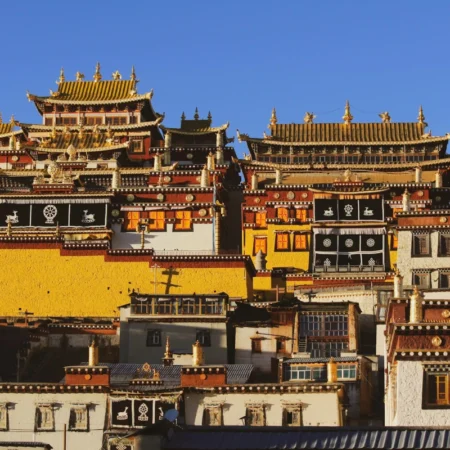
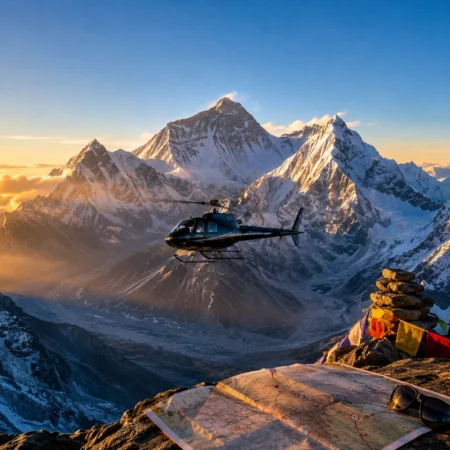
Duration: 8 Days / 7 Nights Days
Max altitude: 3,880 m (Everest View Hotel)
Adventure Tour with Everest Helicopter | 8-Day Luxury Nepal Tour
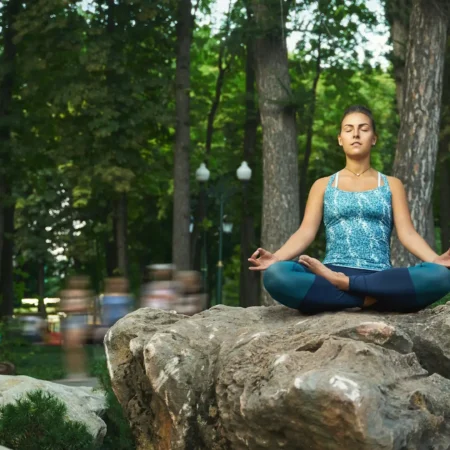
Duration: 6 Days
Max altitude: 2,100m (Nagarkot)
Price starts from: USD 485
All Women Nepal Wellness Tour: Ayurveda, Yoga & Digital Detox – 6 days
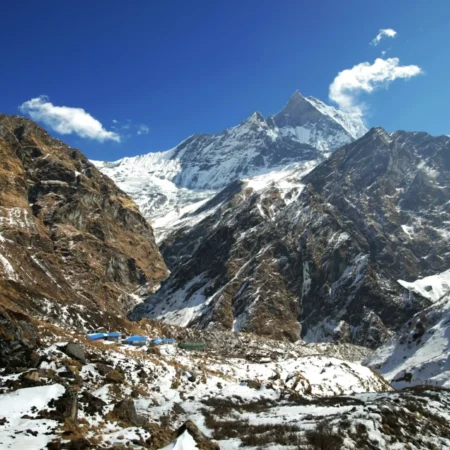
Duration: 10 Days
Max altitude: 4,130 m (Annapurna Base Camp)
Price starts from: USD 567
Annapurna Base Camp Trek – 10 Days
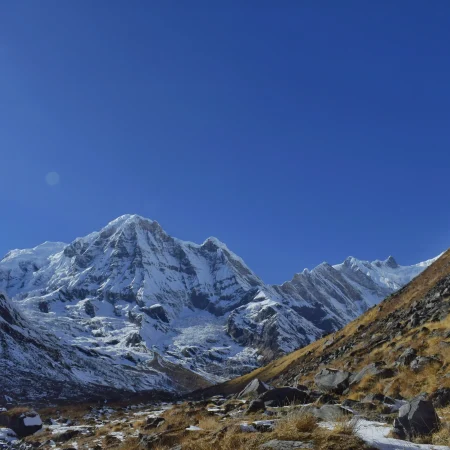
Duration: 08 Days
Max altitude: 4,200 m (Annapurna North Base Camp)
Annapurna North Base Camp Trek – 08 Days
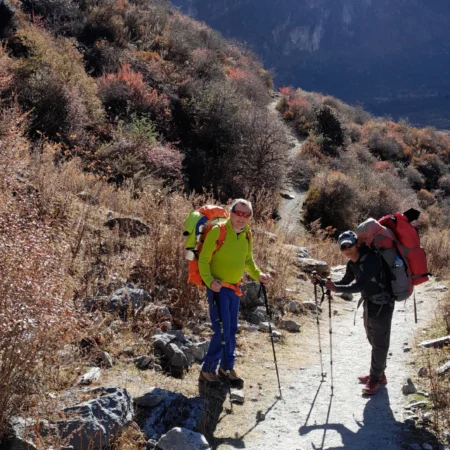
Duration: 12 Days
Max altitude: 4,500 m (Mardi Himal Base Camp)