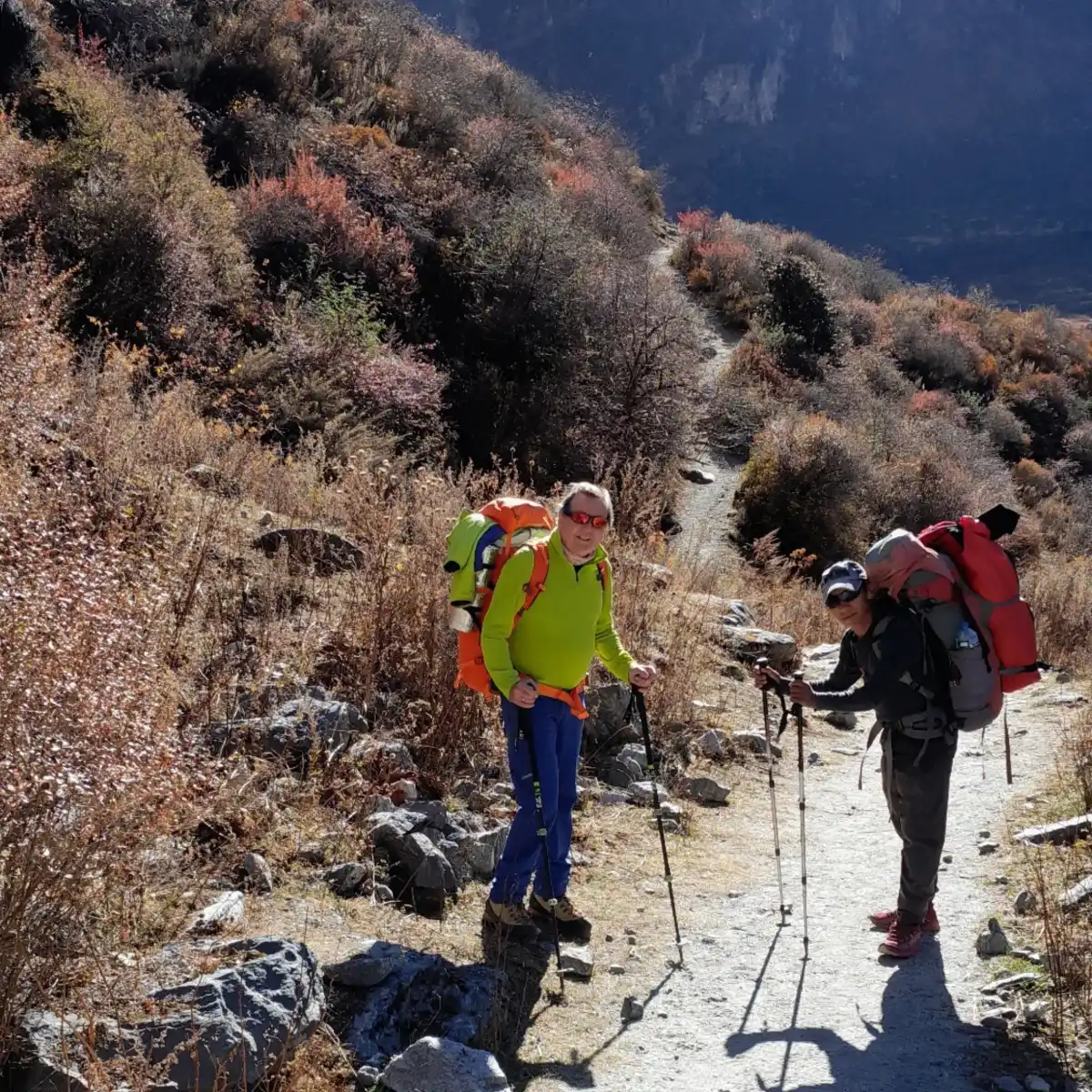
Read Time
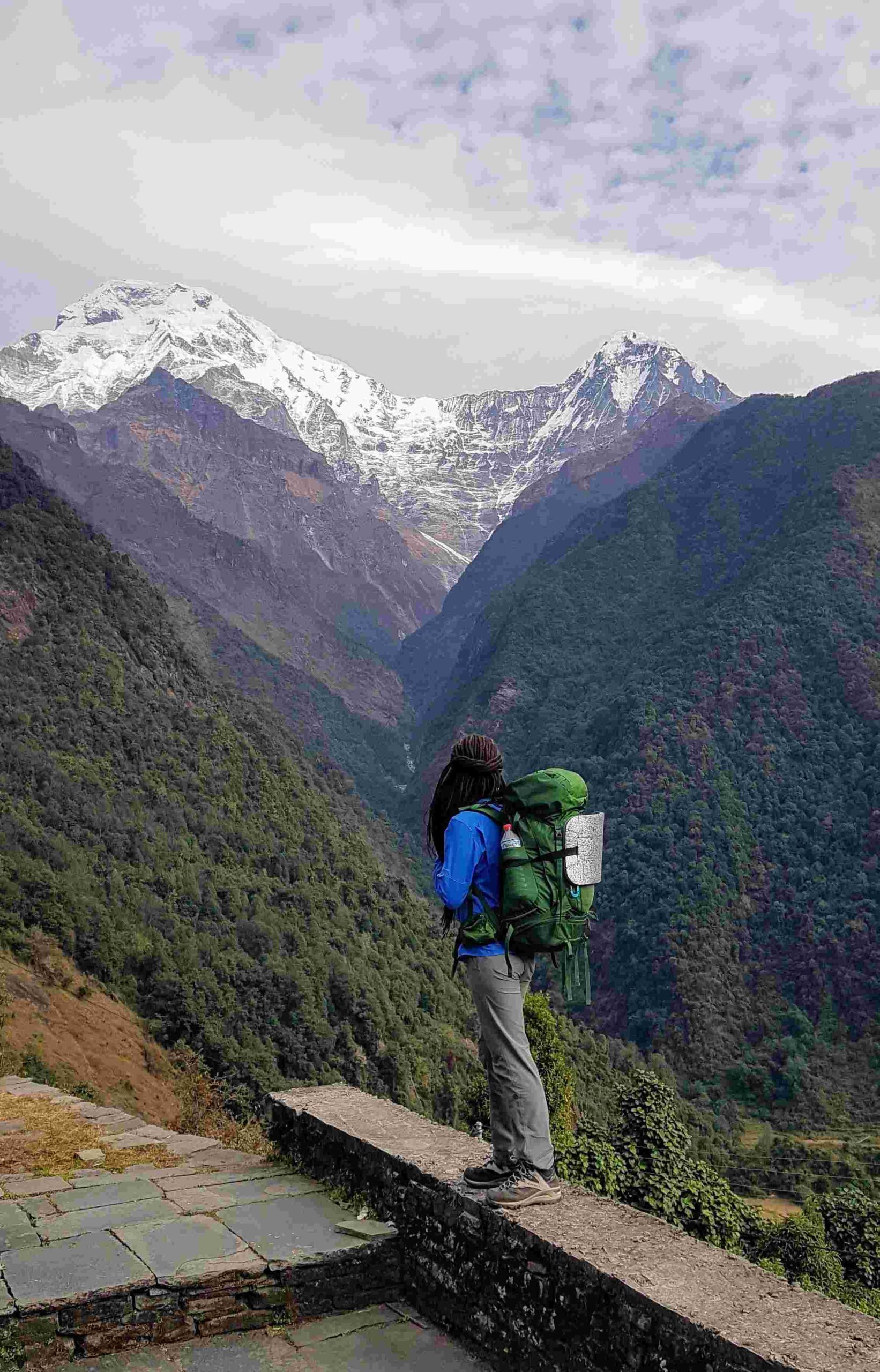
“Can I actually see myself doing this?” That question may come before any thoughts about boots, backpacks, or mountain trails. Nepal often brings Everest and demanding expeditions to mind. But your first Himalayan experience can begin with a shorter trek. The Mardi Himal trek offers forest walks, mountain views, and teahouse stays without requiring weeks on the trail.
The Mardi Himal Trek for Women can be a suitable choice for first-time Himalayan trekkers who prepare well. Your fitness, chosen itinerary, and comfort with steep terrain matter more than previous mountaineering experience. This guide explains walking demands, rooms, toilets, packing, and guide options so you can decide what suits you.
Conversations with hosts, changing landscapes, and daily progress can become meaningful parts of your trip. Reaching Mardi Himal Base Camp is one possible highlight, rather than the only measure of your journey.
Mardi Himal Trek at a Glance
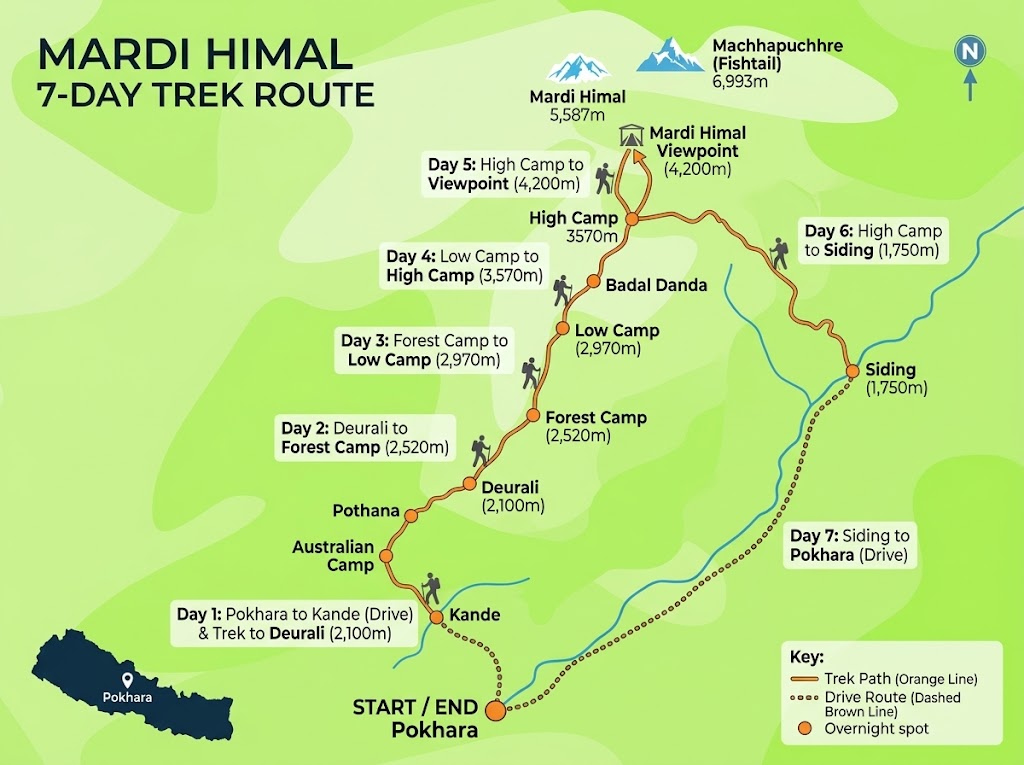
The Mardi Himal trek follows forest trails and ridgelines in Nepal’s Annapurna region, with access from Pokhara. Allow around five to seven days for a typical trekking itinerary, plus any additional travel days.
For women planning their first Himalayan trek, daily walking demands and accommodation expectations deserve as much attention as the views.
| Feature | Details |
| Location | Annapurna Conservation Area, Nepal |
| Gateway | Pokhara |
| Example itinerary duration | Seven days from Pokhara, including six walking days and a return transfer; allow additional time if needed. |
| Total holiday duration | Longer when including Kathmandu, transfers, and additional sightseeing |
| Starting point | Common options include Kande or Dhampus, reached by road from Pokhara |
| Ending point | Common options include Siding or Lumre, followed by transport to Pokhara |
| Daily walking | Approximately 3-7 hours on walking days in this example; pace and conditions affect timings. |
| Walking distance | Depends on the trailhead, exit route, and whether you continue beyond the viewpoint |
| Highest point | Approximately 4,200-4,300 metres for this viewpoint itinerary. Base Camp extensions reach approximately 4,500 metres. |
| Difficulty | Moderate overall, with steep climbs, sustained descents, and demanding upper sections |
| Preparation | Regular walking fitness and comfort with consecutive hiking days |
| Accommodation | Teahouses with basic rooms and facilities that vary between stops |
| Main trekking seasons | Spring and autumn, although mountain weather remains changeable |
| Main experiences | Forest walks, mountain views, teahouse hospitality, and local encounters along the selected route |
Confirm whether your itinerary reaches a viewpoint or Base Camp before comparing durations and distances. Choose walking days that suit your preparation, rather than selecting the shortest schedule available.The Mardi Himal Trek for Women combines forest trails, ridge walking, teahouse stays, and mountain views in a relatively short itinerary.
Is Mardi Himal Suitable for Your First Himalayan Trek?
The Mardi Himal Trek for women can suit first-time trekkers who prepare for several consecutive walking days and feel comfortable with basic teahouse accommodation. You do not need previous mountaineering experience, but you should expect sustained uphill walking and tiring descents. When planning your first experience of trekking in Nepal, consider your fitness, available time, and comfort preferences.
Daily distance tells only part of the story. A shorter day can still feel demanding when the trail climbs steeply or follows uneven ground. Upper sections also involve exposed ridges, which may feel uncomfortable if you dislike heights. Ask about walking hours, elevation changes, and trail conditions before choosing an itinerary.
Prepare with regular walks, gradually adding hills, stairs, and longer outings. Practise in your trekking footwear while carrying the daypack you intend to use. Walking on consecutive days can help you understand how your legs recover overnight. Discuss your usual activity level honestly when planning the trek, rather than choosing the shortest schedule.
If you prefer a lower maximum elevation, consider the Poon Hill Trek as another option. It still involves uphill walking and stone steps, so compare the actual itineraries carefully. Choose the route that matches your preparation and interests, without feeling pressured to reach a particular destination.
Forest Trails, Mountain Views, and Local Encounters
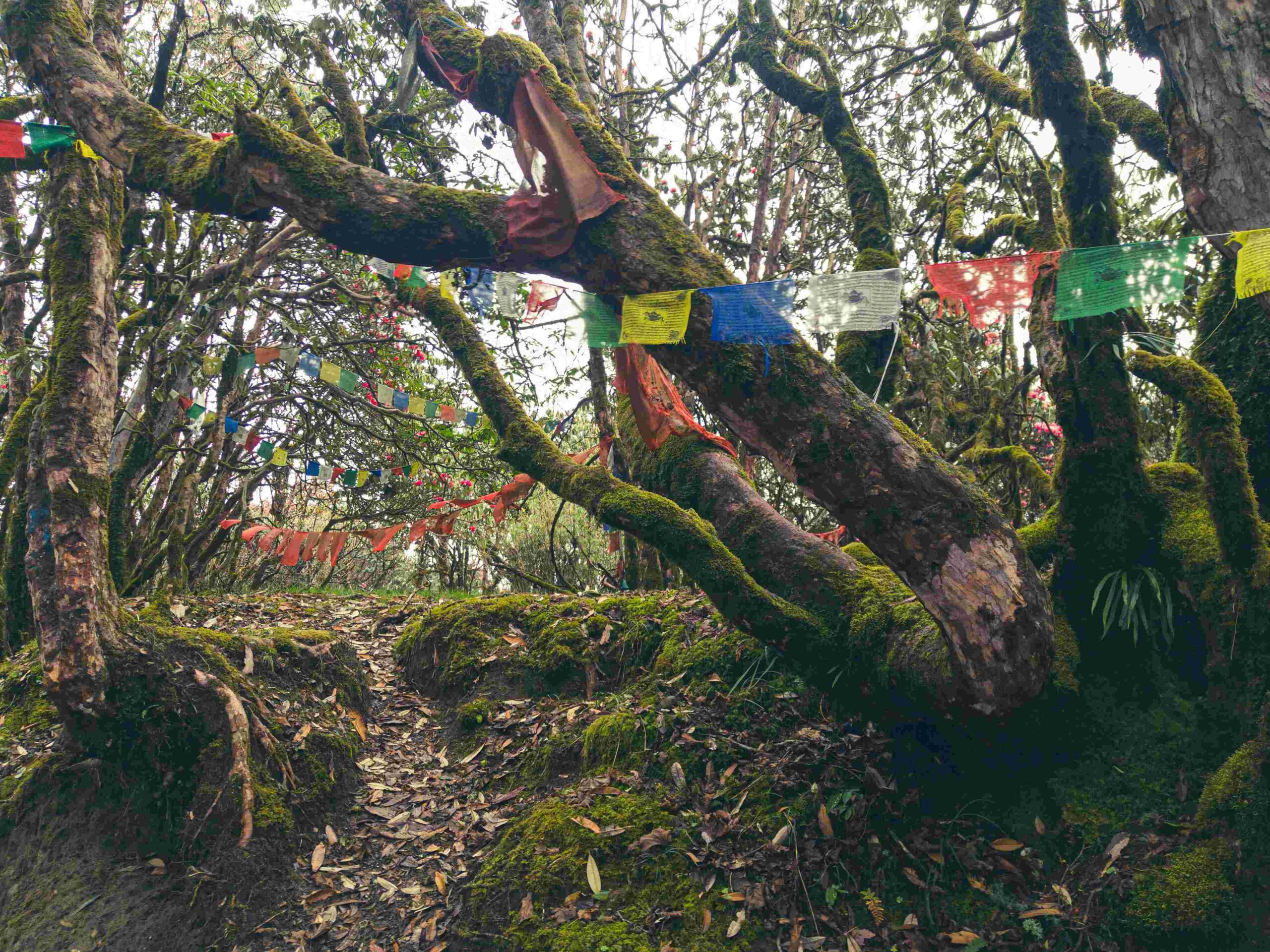
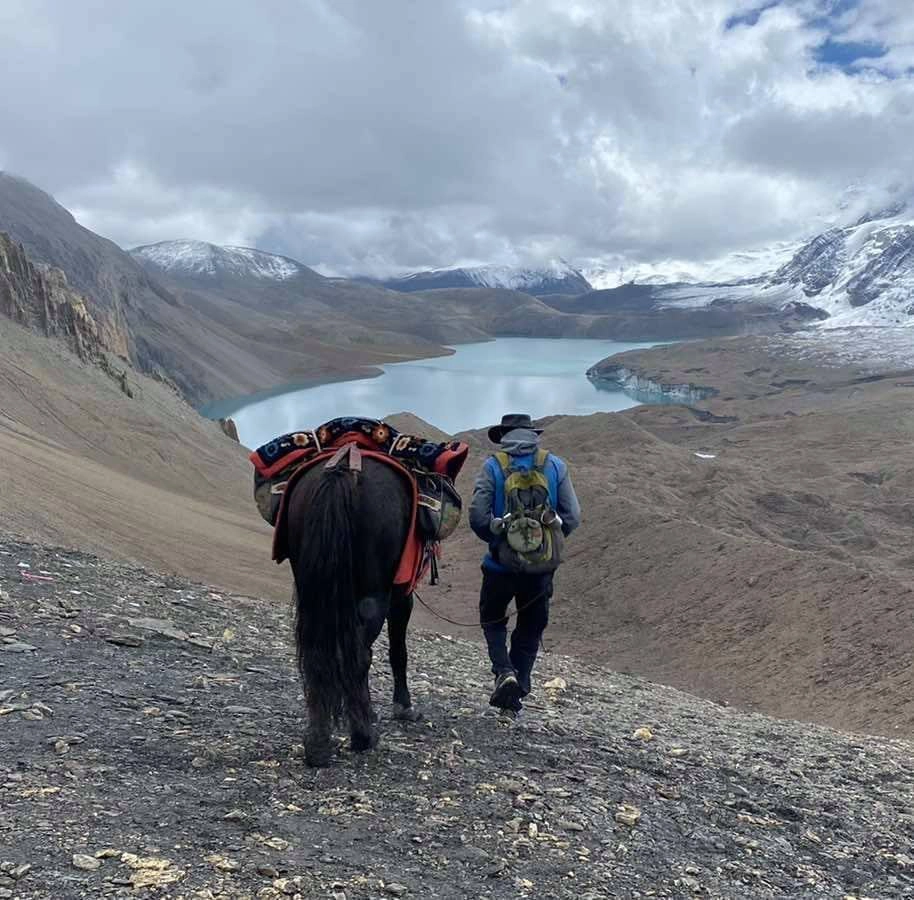
The scenery changes as you climb, giving each part of the Mardi Himal trek a different character. Forest paths lead towards open ridges, while teahouse stops offer time to rest and speak with people along the route.
Walking Through Forests and Changing Landscapes
Around Forest Camp, the trail passes through woodland, with roots, shaded sections, and stretches that become muddy after rain. Rhododendrons bring seasonal colour, although flowering varies with elevation and weather.
Beyond Low Camp, the trees gradually thin as you approach Badal Danda. Open slopes replace the enclosed forest, revealing more of the surrounding valleys. This changing landscape is one attraction of trekking in the Annapurna region.
Mountain Views Along the Route
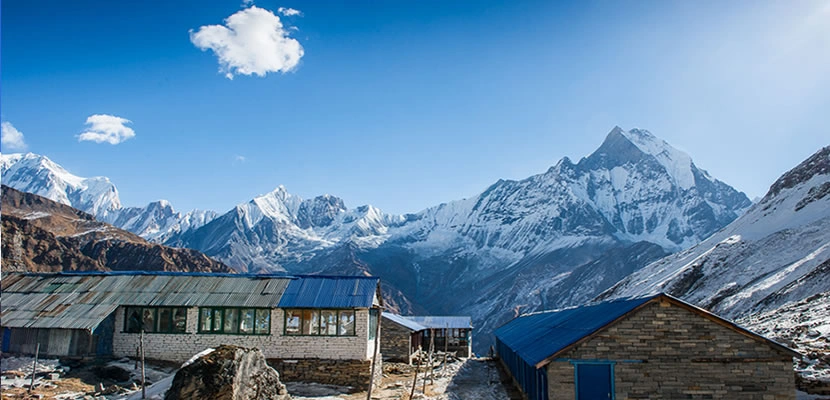
Machhapuchhre, also called Fishtail, becomes a prominent feature as the trail climbs above the forest. Clear conditions also reveal Annapurna South and Hiunchuli from higher sections.
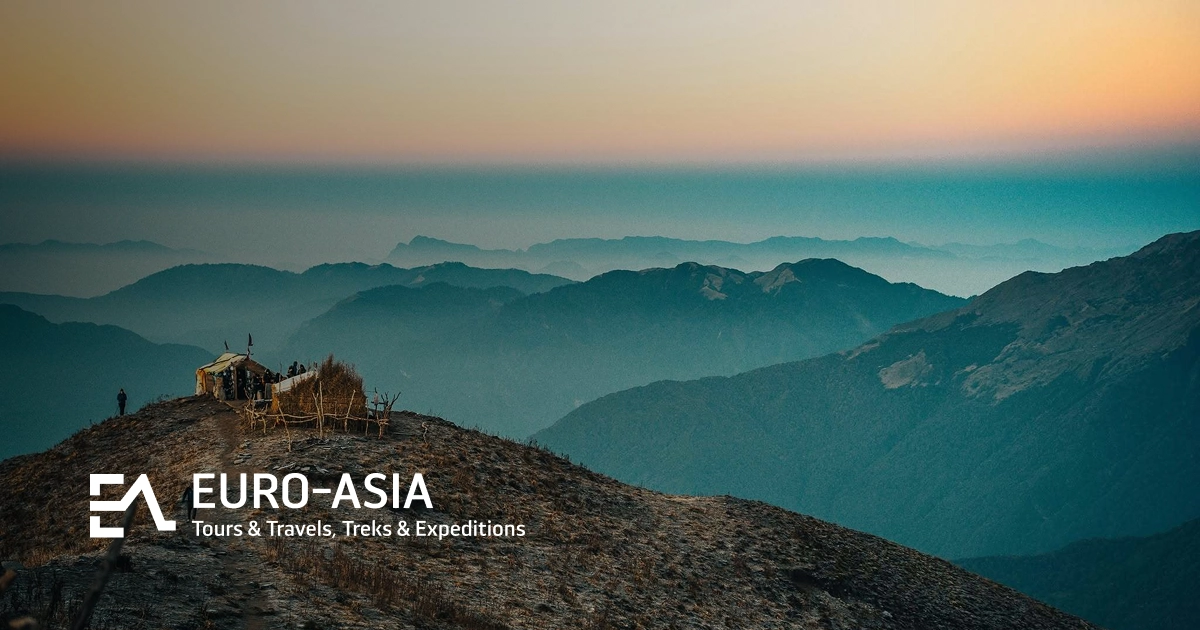
You do not need to wait until Base Camp to appreciate the mountains. Stops around Badal Danda and High Camp offer viewing opportunities when conditions allow. Clouds can hide the peaks, so leave space to enjoy the surroundings without expecting clear views throughout.
Villages, Teahouses, and Local Culture
Your village experiences depend on the route you choose. Starting through Dhampus or descending through Siding creates different opportunities for local encounters. Higher overnight stops mainly serve trekkers, so expect lodge settlements rather than continuous village sightseeing.
Meals and tea breaks provide opportunities to speak with hosts and learn about daily life. Your guide can help with introductions and explain unfamiliar customs. Ask permission before photographing people, and respect private homes and working spaces.
Mardi Himal Trek Route and Itinerary
This seven-day example shows the route from Pokhara, with six walking days and a return transfer. Overnight stops may need adjustment to allow a more gradual ascent. Confirm the schedule with your trekking team before booking.
For a longer holiday including Kathmandu, explore our Mardi Himal Trek itinerary. Its overnight stops differ slightly from this example.
Walking times and elevations are approximate. Confirm the final route, accommodation, and endpoint before booking.
Day 1: Pokhara to Kande, Then Trek to Deurali
Driving: Around 1 hour Walking: Around 3-5 hours Overnight: Deurali, approximately 2,100 metres
Drive to Kande, then walk uphill towards Australian Camp before continuing through Pothana to Deurali. Expect stone steps and forest paths. Begin at a comfortable pace rather than trying to match faster walkers.
Day 2: Deurali to Forest Camp
Walking: Around 4-6 hours Overnight: Forest Camp, approximately 2,520 metres
Follow the woodland trail towards Forest Camp, also known as Kokar. Roots and muddy sections require attention, particularly after rain. Keep your rain jacket accessible rather than buried inside your bag.
Day 3: Forest Camp to Low Camp
Walking: Around 3-5 hours Overnight: Low Camp, approximately 2,970 metres
Continue uphill through the forest towards Low Camp. Openings between the trees offer mountain views when conditions allow. This shorter stage divides the climb before the higher ridge sections.
Day 4: Low Camp to High Camp
Walking: Around 3-5 hours Overnight: High Camp, approximately 3,570 metres
Pass Badal Danda as the forest gives way to open slopes and ridgelines. Expect less shelter from wind and stronger exposure to the weather. Keep warm layers available and discuss the following morning’s plan with your guide.
Day 5: High Camp to the Viewpoint, Then Return
Walking: Around 4-6 hours, depending on the turnaround point Overnight: High Camp, approximately 3,570 metres
Walk towards the upper viewpoint, roughly 4,200-4,300 metres, before returning to High Camp. Expect steep, uneven sections and a demanding climb. Carry a headlamp if starting before daylight.
Day 6: High Camp to Siding
Walking: Around 5-7 hours Overnight: Siding, approximately 1,750 metres
Descend through the lower camps and forest towards Siding. The sustained downhill walking can feel tiring even as you lose elevation. Allow regular breaks and avoid rushing the steeper sections.
Day 7: Siding to Pokhara
Driving: Around 2-3 hours, depending on road conditions Overnight: Pokhara
Return by jeep after breakfast. Keep onward arrangements flexible because rough roads and weather can affect journey times.
Mardi Himal Viewpoint or Base Camp?
This example finishes its uphill excursion at the viewpoint. Mardi Himal Base Camp lies farther along the route, at approximately 4,500 metres.
Continuing adds walking time and more demanding terrain. Agree on the intended endpoint beforehand, then reassess with your guide according to conditions and your wellbeing.
A viewpoint itinerary still offers mountain scenery and the full experience of walking through changing landscapes. Reaching Base Camp should never become an obligation.
When Is the Best Time to Trek Mardi Himal?
Spring and autumn are generally the main seasons for the Mardi Himal trek. Your choice depends on preferred temperatures, trail conditions, and how comfortable you feel walking in changeable weather.
Spring: March to May
Spring brings rhododendron flowers along forest sections, with flowering times varying by elevation and weather. Lower trails become warmer as the season progresses, while higher overnight stops remain cold.
Morning views can give way to haze or afternoon clouds. Pack layers for changing temperatures and keep waterproof clothing accessible. Expect company on popular trails and confirm accommodation arrangements before departure.
Autumn: September to November
Autumn often brings clearer mountain views after the monsoon, although September can still experience lingering rain. October and November are popular trekking months, with colder mornings and nights as winter approaches.
Busy periods can limit room choices, especially at higher stops. Discuss room-sharing preferences before booking, while understanding that private rooms depend on availability.
Winter: December to February
Winter brings colder conditions, shorter daylight hours, and possible snow or ice on upper trails. Clear weather does not necessarily mean straightforward walking conditions.
Check lodge availability and recent trail reports before committing to an itinerary. Be prepared to change your endpoint if upper sections become unsuitable. First-time trekkers should discuss these additional demands carefully with their operator.
Monsoon: June to August
Monsoon rain can make forest paths muddy and slippery, while clouds frequently hide the mountains. Leeches occur on damp lower trails, and wet clothing can be difficult to dry.
Road access may also be disrupted during heavy rainfall. For a first Himalayan trek, consider whether these conditions match the experience you want.
Choose your travel window around the conditions you can comfortably prepare for. Check recent forecasts and local updates before departure, regardless of the season.
Travelling Solo, with Friends, or in a Women’s Group
You can arrive in Nepal alone and still share your trek with a guide or an organised group. The right arrangement depends on your preferred pace, budget, privacy, and interest in meeting other travellers.
Arriving Alone and Booking a Guided Trek
Travelling solo gives you flexibility over your wider holiday plans. A private guided trek lets you discuss daily arrangements directly with your guide, within the route’s practical limits.
Travelling alone to Nepal is different from trekking without a guide. Nepal Tourism Board lists Mardi Himal among routes requiring a licensed guide and an agency-issued TIMS card. Check its current trekking requirements when planning your trip.
Arrange the Annapurna Conservation Area entry permit separately from TIMS. Check the official NTNC permit information and confirm that your quotation covers the required documents.
Trekking with Friends
Travelling with friends offers familiar company, but shared interests do not always mean matching walking speeds. Discuss fitness, daily walking expectations, room sharing, and budgets before booking.
Agree on how you would handle different needs during the trek. Someone may need additional breaks or prefer an earlier turnaround. Make these conversations part of planning, rather than waiting until you are on the trail.
Joining a Women’s Trekking Group
For women considering the Mardi Himal Trek, joining a women’s trekking group can provide companionship without needing to organise a trip with friends. Euro Asia’s All Women Mardi Himal Trek is one option to explore.
Before booking, ask about group size, departure confirmation, room sharing, and support for different walking speeds. Confirm whether “women-only” describes the participants, the guiding team, or both. A women’s departure does not automatically mean every staff member will be female.
For other women-focused travel options, explore All About Hers. Choose the arrangement that makes it easiest to communicate your needs and enjoy the company around you.
Choosing a Guide for Mardi Himal
Choose a guide whose experience and communication make you comfortable asking questions or raising concerns. Before booking, discuss how they manage different walking speeds, changing conditions, and decisions about turning back.
Questions to Ask Before Booking
Ask the agency for clear answers to these questions:
- Does the guide hold a current trekking licence?
- When did they last guide the Mardi Himal route?
- What first-aid training have they completed?
- Which language will you use for briefings and everyday communication?
- How many trekkers will each guide supervise?
- What happens if someone needs to descend while others continue?
- Who can you contact at the agency during the trek?
Confirm the guide’s responsibilities and included services in writing. Ask whether porter support is separate, particularly if you want help carrying your main bag.
A short conversation before departure can help establish expectations. Explain your usual walking pace, previous experience, and any concerns about exposed trails or accommodation.
Requesting a Female Guide
If you prefer a female guide, mention this when you first enquire. Ask the agency to confirm availability for your dates before treating the arrangement as settled.
Check what happens if the assigned guide becomes unavailable. Discuss whether you would accept another qualified guide, change dates, or prefer another arrangement. Request the applicable booking terms in writing.
A guide’s gender may influence your comfort, but qualifications, professionalism, and respectful communication remain essential. You should feel able to request a break, discuss privacy, or say that something feels uncomfortable.
Agree on how to raise sensitive concerns discreetly. Keep the agency’s contact details accessible so you have another person to approach when needed.
Teahouse Rooms, Toilets, and Privacy
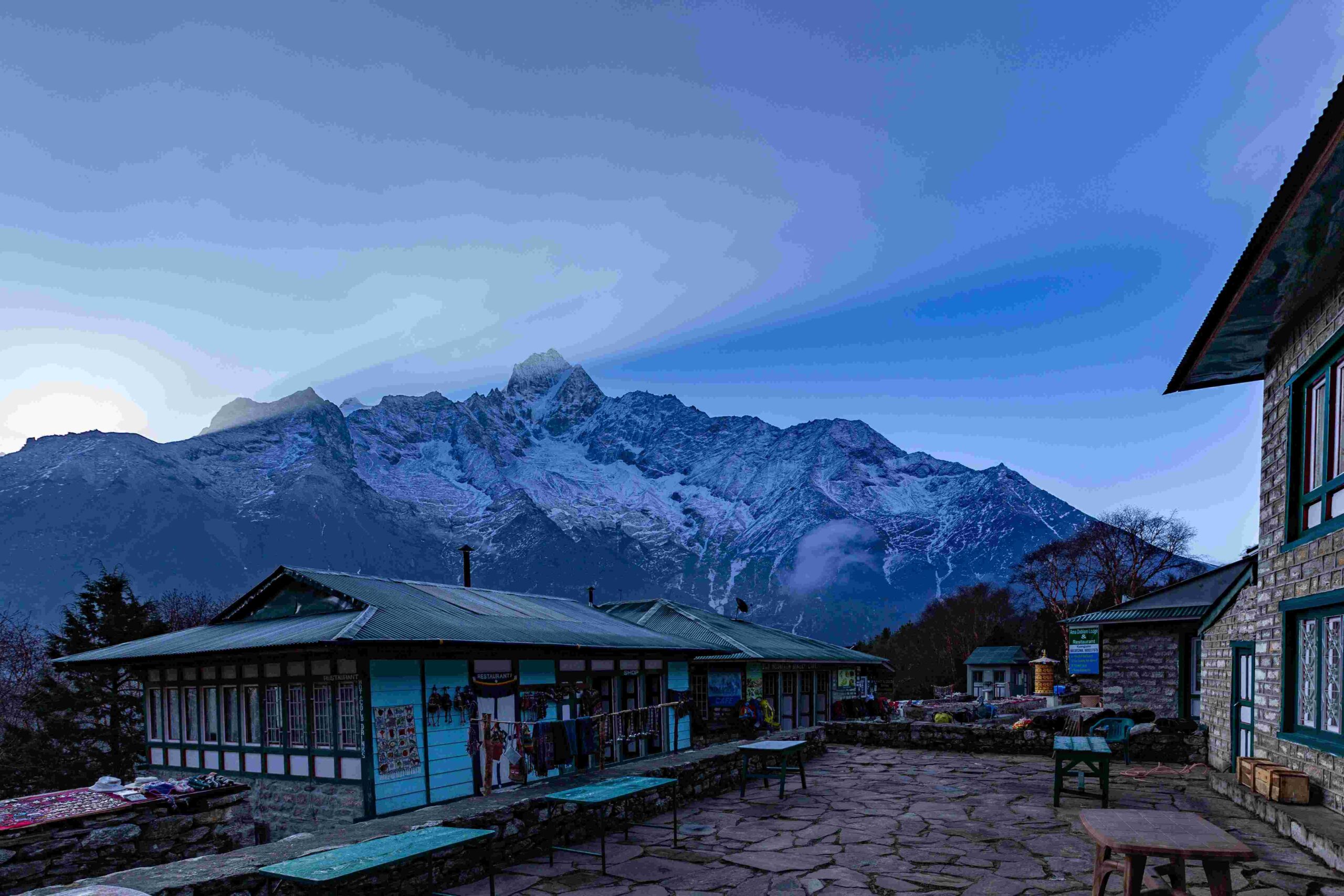
Accommodation on the Mardi Himal trek is generally simple, with facilities varying between lodges and overnight stops. Expect practical places to eat and sleep, rather than hotel-style comfort.
Rooms and Sleeping Arrangements
Twin rooms are common, but layouts and availability differ. A private room may be possible at some stops, although busy periods can limit your options.
Discuss your room-sharing preferences before booking. Ask what alternative arrangements apply if the planned lodge is full. Do not assume that paying a supplement guarantees a private room throughout the trek.
Check the room’s door latch when you arrive, and raise any concerns with your guide promptly. Keep your headlamp, warm layer, and footwear within reach for nighttime bathroom visits.
Toilets, Washing Facilities, and Hot Showers
Shared bathrooms are common, particularly higher on the route. Toilets may be squat or seated, and their location can vary between buildings.
Carry toilet paper and hand-cleaning supplies rather than relying on every lodge to provide them. Ask where to dispose of used paper and sanitary products.
Hot showers may involve an additional charge and depend on the lodge’s facilities. Confirm water availability before paying, and avoid planning around a daily shower.
Charging, Wi-Fi, and Evening Comfort
Ask about charging fees and available sockets when checking in. Carry a power bank for essential devices, and avoid depending on reliable Wi-Fi at every overnight stop.
Bring warm, dry clothing for evenings. Ask your operator what bedding is provided and which sleeping bag suits your travel dates.
Meals and Drinking Water
Teahouses commonly serve dal bhat, noodles, soups, and other straightforward meals. Discuss dietary restrictions beforehand, especially when ingredient checks or separate preparation are necessary.
Confirm how drinking water will be treated or supplied each day. Carry bottles with enough capacity for the planned walking section.
What Should Women Pack for the Mardi Himal Trek?
Packing for the Mardi Himal Trek for women means preparing for warm uphill walking, cold evenings, and changing mountain weather. Choose equipment that fits comfortably and test it before departure. Your travel month and porter arrangements will influence what you carry.
Clothing and Footwear
Build your clothing around layers you can add or remove easily:
- Moisture-wicking tops and a warm base layer.
- Fleece or another insulating middle layer.
- Warm jacket for evenings and higher sections.
- Waterproof jacket and rain trousers.
- Comfortable trekking trousers.
- Well-fitting sports bras and quick-drying underwear.
- Trekking socks, with a dry pair reserved for evenings.
- Sun hat, warm hat, and gloves.
Wear footwear you have already tested on longer walks and descents. Check for rubbing, toe pressure, and enough room for your trekking socks. Lightweight camp shoes can provide a welcome change after walking.
Trekking Equipment
Keep these items on your packing checklist:
- Comfortable daypack with a rain cover and waterproof inner bags.
- Trekking poles, adjusted and tested before departure.
- Headlamp with spare batteries or charging supplies.
- Sleeping bag suited to your travel dates and overnight stops.
- Refillable water bottles and an appropriate water-treatment arrangement.
- Sunglasses, sunscreen, and lip protection.
- Power bank and necessary charging cables.
If a porter carries your main bag, keep daytime essentials in your daypack. These include waterproofs, warm clothing, water, snacks, and personal medication. Confirm baggage limits and supplied equipment before packing.
Personal Essentials
Bring compact toiletries, toilet paper, hand-cleaning supplies, and a quick-drying towel. Keep personal hygiene items accessible; the following section explains menstrual preparation and waste disposal.
Keep identification, required trekking documents, and emergency contacts protected from rain. Carry personal medication and discuss specific medical needs with a qualified clinician before travelling.
Optional comforts might include earplugs, a small journal, or a spare lightweight top. Check their usefulness against the weight you will carry. Avoid packing unfamiliar equipment simply because it appears on a generic trekking list.
Managing Periods and Hygiene on the Trail
Planning for your period means considering supplies, privacy, water access, and waste disposal. Pack products you already find comfortable, with extras for delays or changes to your travel schedule.
Prepare Before Leaving Pokhara
Buy your preferred menstrual supplies before starting the trek rather than depending on shops along the route. Keep a small pouch accessible in your daypack, with spare underwear, toilet paper, and sealable waste bags.
If you use a menstrual cup or reusable products, consider the washing and drying arrangements they require. Follow the manufacturer’s cleaning instructions. Avoid trying an unfamiliar product for the first time during the trek.
Plan for Washing and Privacy
Ask about bathroom facilities when you reach each lodge. Check whether water, soap, and a private washing space are available before unpacking your supplies.
Carry handwashing supplies and plan how you will clean your hands before changing products. Hand sanitiser can be useful between washing opportunities, but it does not replace removing visible dirt with soap and water.
Clothing may dry slowly in cold or damp conditions. Carry enough underwear to avoid relying on daily washing. Keep damp items separate from your clean clothing and sleeping equipment.
Dispose of Waste Responsibly
Never flush pads, tampons, wipes, or packaging into teahouse toilets. Use a suitable disposal bin where one is provided and confirm arrangements with your host.
Otherwise, seal used products in an opaque waste bag and carry them to an appropriate disposal point. Do not leave them beside the trail, bury them, or burn them.
You can ask your guide for a private stop without explaining personal details. Discussing these preferences beforehand can make everyday arrangements more comfortable.
Altitude, Trail Conditions, and Safety Planning
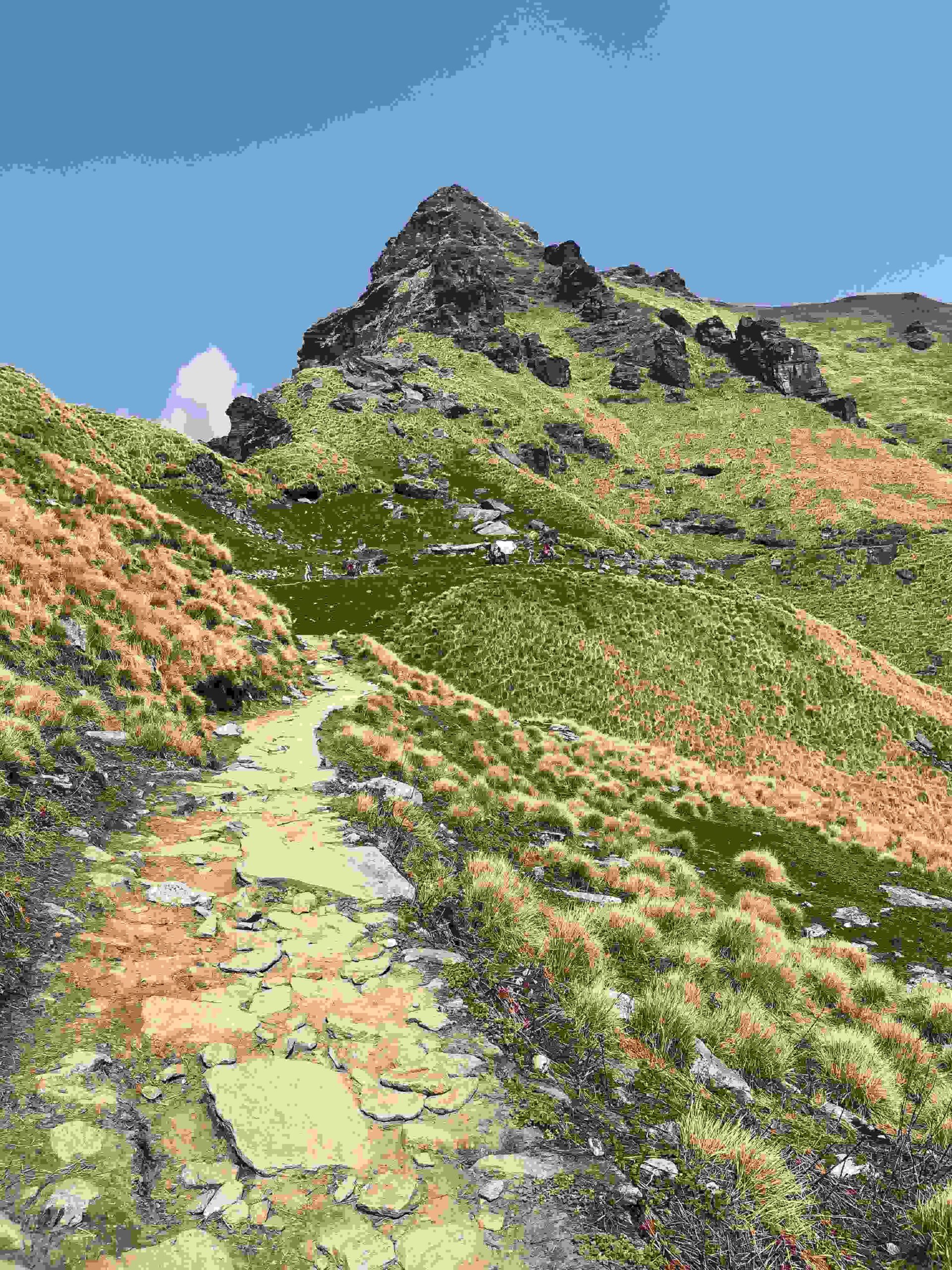
The Mardi Himal Trek for women still requires careful planning for altitude, weather, trail conditions, and emergencies. Discuss these arrangements before departure, including how your guide will respond if someone cannot continue.
Altitude Awareness and Walking Pace
Physical fitness does not prevent altitude illness. Your itinerary should allow gradual ascent and adjustments when needed. Walking slowly helps manage effort, but it cannot replace time spent acclimatising.
Report headaches, nausea, dizziness, or unusual tiredness promptly, particularly after gaining elevation. Do not ascend higher with symptoms of altitude illness. If symptoms worsen at the same elevation, descend with assistance.
Confusion, difficulty walking straight, or breathlessness at rest require urgent medical attention and assisted descent. Do not leave an affected trekker alone. The CDC’s altitude guidance explains warning signs and preparation in greater detail.
Review overnight elevation gains before booking. The example itinerary’s Low Camp-High Camp stage gains approximately 600 metres in sleeping altitude. Discuss an intermediate overnight stop or revised schedule with your operator and a travel-health clinician.
Weather and Trail Conditions
Rain, snow, ice, and poor visibility can change how demanding a trail feels. Exposed upper sections deserve particular attention when wind or cloud increases.
Stay with your guide and agree on turnaround decisions before the highest excursion. Avoid separating from the group to reach a viewpoint faster. Carry accessible warm layers, waterproofs, and a working headlamp.
Personal Comfort and Emergency Support
Keep your agency’s contact details available offline and share your itinerary with someone at home. Agree on check-in expectations, remembering that phone coverage and internet access may be interrupted.
Ask how the team will communicate and arrange assistance without a mobile signal. Confirm that your insurance covers the planned trekking altitude, medical treatment, and emergency evacuation. Check exclusions and assistance procedures directly with your insurer.
Helicopter evacuation depends on conditions and availability, so it should never be the only emergency plan. Ask about supported descent and alternative transport arrangements.
Raise concerns about privacy, unwanted behaviour, or pressure to continue immediately. You should be able to contact the agency directly if discussing an issue with your guide feels uncomfortable.
Planning Your Mardi Himal Trek Budget
Your Mardi Himal trek cost depends on the itinerary, group size, transport, and services included. Compare packages covering the same number of days and similar arrangements, rather than comparing headline prices alone.
Request a written Euro Asia quotation based on your dates, group size, and preferred services. Confirm whether it covers the trekking portion or a longer holiday including Kathmandu. The checklist below helps you compare inclusions.
What Should Your Quotation Include?
| Cost item | What to confirm |
| Guide | Guiding fees and the guide’s accommodation, meals, transport, and insurance |
| Porter | Whether porter support is included, baggage allowance, and additional charges |
| Lodging | Included hotel and teahouse nights, room sharing, and possible supplements |
| Meals | Which meals are included during trekking and city stays |
| Transport | Trailhead transfers, return jeep, and any Kathmandu-Pokhara travel |
| Permits | Required permits, applicable fees, and arrangement costs |
| Taxes and fees | Whether the quoted total includes applicable taxes and booking charges |
Ask whether requesting a female guide changes the quotation. Confirm availability separately from pricing.
Allow for Personal Spending
Budget for expenses outside the agreed package. These may include hot showers, device charging, Wi-Fi, snacks, bottled drinks, and additional meals.
Check whether equipment rental, tips, and travel insurance are included or paid separately. Carry enough Nepalese rupees for agreed extras rather than depending on card payments along the trail.
Understand What Can Change the Total
Private arrangements may cost more per person because fewer travellers share guide and transport expenses. Additional nights, itinerary changes, and upgraded city hotels can also affect the total.
Read our booking conditions and request written clarification of payment and cancellation terms. A clear quotation helps you understand both the planned cost and possible additional spending.
The Experience Goes Beyond Reaching Base Camp
The question “Can I actually see myself doing this?” may feel different after several days on the trail. You have packed your bag, found a walking rhythm, and learned to ask for what you need. Those everyday steps can become achievements in their own right.
Some memories may come from conversations over dinner or encouragement during a tiring climb. Others might involve enjoying a quiet morning or becoming more comfortable travelling with unfamiliar people. There is no particular feeling you need to have for the trip to matter.
Reaching Mardi Himal Base Camp can be rewarding, but your endpoint should reflect conditions and how you feel. Finishing at a viewpoint, changing your plans, or descending earlier does not erase the days you have experienced. Making a sensible decision is part of trekking well.
Give yourself room to enjoy the journey without comparing your pace or achievements with anyone else’s. You can return knowing more about what you enjoy, what you find challenging, and how you prefer to travel.
Frequently Asked Questions
Is the Mardi Himal Trek suitable for first-time women trekkers?
It can suit beginners who prepare for consecutive walking days, steep sections, and basic accommodation. Choose an itinerary that matches your fitness and allows adjustments. A short duration does not remove the challenges of altitude or demanding terrain.
Can I join a women’s group if I’m travelling alone?
You can enquire about joining a women’s departure without bringing a travel companion. Confirm available dates, minimum group requirements, room-sharing arrangements, and any solo supplements before booking.
Can I request a female guide?
Yes, but availability must be confirmed for your dates. Make your preference clear when enquiring and ask what happens if the assigned guide becomes unavailable. A women-only group does not automatically guarantee an entirely female staff.
Can I request a private room?
You can request one, but availability varies between lodges and travel dates. Ask which nights can be confirmed and what alternatives apply elsewhere. A private room also does not necessarily include a private bathroom.
What are the toilets and washing facilities like?
Expect basic facilities, with shared toilets common along the route. Toilet styles, water availability, and shower arrangements vary by lodge. Carry your own toilet paper and hand-cleaning supplies, and ask about disposal arrangements.
How should I prepare for trekking during my period?
Pack familiar menstrual products, spare underwear, and sealable waste bags before leaving Pokhara. Consider the water and privacy needed for your usual routine. Keep essential supplies accessible during the day rather than inside a porter-carried bag.
Do I have to reach Mardi Himal Base Camp?
No. Some itineraries finish their uphill excursion at a viewpoint. Confirm the planned endpoint before booking, and remain willing to adjust it. Weather, trail conditions, and your well-being should guide the decision to continue.
What happens if I need a slower pace?
Tell your guide early and discuss breaks or itinerary adjustments. Group departures may have less flexibility than private arrangements. Before booking, ask how additional support, extra nights, or an early descent would be organised and charged.
About the Author
Euro Asia is a Kathmandu-based tour operator established in 1995, arranging trekking and cultural holidays in Nepal. Its programmes include Mardi Himal itineraries and women-focused travel through All About Hers.
The team helps travellers discuss routes, accommodation, transport, and individual preferences before booking. This guide brings those planning considerations together for women exploring their first Himalayan trek.
Plan Your Mardi Himal Trek with Euro Asia
If you are planning the Mardi Himal Trek for women, start with the kind of experience you want and the time you have available. Share your travel dates, usual walking activity, and any questions about rooms, group travel, or guide preferences.
Explore our All Women Mardi Himal Trek and ask Euro Asia about arrangements for your dates. Before booking, request a clear itinerary and quotation covering your chosen services.
You do not need every detail worked out before getting in touch. A conversation can help you decide whether Mardi Himal suits your plans.