Read Time
The Manaslu Trek Difficulty for Beginners is one of the most common questions asked by travelers planning this remarkable Himalayan adventure. The Manaslu Circuit Trek is one of Nepal’s most rewarding trekking routes, taking hikers through remote mountain villages, lush forests, alpine meadows, and across the breathtaking Larkya La Pass (5,106 meters). Compared to the busier Everest Base Camp and Annapurna Circuit treks, the Manaslu region offers a quieter, less crowded, and more authentic trekking experience surrounded by spectacular Himalayan scenery and rich Tibetan Buddhist culture.
Many first-time trekkers worry that the Manaslu Circuit may be too challenging because of its high altitude, long walking days, and remote location. While the trek is considered moderately difficult, it is absolutely achievable for beginners who prepare properly, maintain a reasonable level of fitness, and follow a well-planned itinerary with adequate acclimatization. Every year, many first-time trekkers successfully complete the Manaslu Circuit by trekking at a steady pace and taking the necessary precautions against altitude sickness.
In this comprehensive guide, you’ll learn everything you need to know about Manaslu trek difficulty for beginners, including the physical fitness required, altitude challenges, daily trekking distances, trail conditions, essential preparation tips, and practical advice to help you complete the trek safely and confidently.
Manaslu Trek Difficult for Beginners?
Yes, the Manaslu Trek is considered moderately to highly challenging for beginners due to its high altitude, remote location, and long trekking days. However, beginners with good physical fitness, proper acclimatization, and the support of an experienced licensed guide can successfully complete the trek and enjoy one of Nepal’s most spectacular trekking routes.
Why This Guide Matters
If you are planning your first Himalayan adventure, understanding the challenges beforehand allows you to prepare effectively. Instead of asking whether the trek is difficult, the better question is:
“Am I prepared enough to complete it?”
For most beginners, the answer is yes—provided they train adequately and follow a gradual itinerary.
What Makes the Manaslu Trek Difficult?
Understanding the Manaslu trek difficulty for beginners starts with knowing what makes this Himalayan adventure challenging. While the Manaslu Circuit Trek does not involve technical climbing, it requires good endurance, careful acclimatization, and preparation for remote mountain conditions. The trek is generally rated as moderately difficult, but many first-time trekkers complete it successfully with proper planning.
1. High Altitude
The biggest challenge for beginners is altitude.
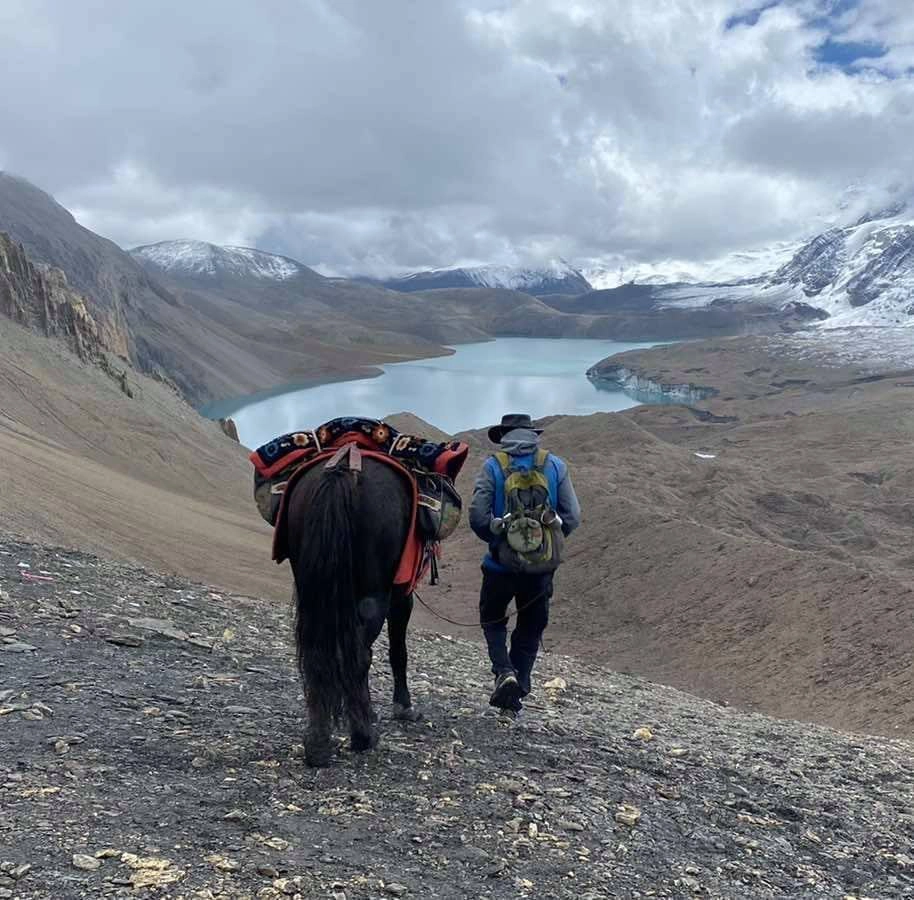
The highest point of the trek is Larkya La Pass, standing at 5,106 meters (16,752 feet). At this elevation, oxygen levels are approximately 50% lower than at sea level, making even simple activities like walking uphill more physically demanding.
As altitude increases, your body needs time to adapt to the thinner air. Without proper acclimatization, trekkers risk developing Acute Mountain Sickness (AMS), which can affect anyone regardless of age or fitness level.
Common symptoms include:
- Headache
- Fatigue
- Loss of appetite
- Nausea
- Difficulty sleeping
- Shortness of breath
The good news is that following a gradual itinerary with acclimatization days significantly reduces the risk.
2. Long Walking Days
Another factor contributing to the Manaslu Circuit Trek difficulty is the duration of daily hikes.
Depending on the itinerary, you can expect to walk:
- 5–8 hours per day
- Around 10–18 kilometers daily
- For approximately 14–18 trekking days
Some sections involve gradual climbs through forests, while others require steep ascents over rocky mountain trails.
The longest and most demanding day is crossing Larkya La Pass, which often begins before sunrise and can take 8–10 hours to complete.
Although the distance may not seem extreme, the combination of altitude and uneven terrain makes each day more physically demanding than a similar hike at lower elevations.
3. Remote Himalayan Environment
Unlike popular trekking routes with extensive facilities, the Manaslu region remains relatively untouched.
This remoteness is one of its greatest attractions but also one of its biggest challenges.
Trekkers should expect:
- Basic tea house accommodation
- Limited internet connectivity
- Occasional power shortages
- Simple meals
- Few medical facilities
- Limited ATM access
Because the trek passes through a restricted area, logistics require careful planning, and independent trekking is not permitted. A licensed guide is mandatory, which also enhances safety for beginners.
4. Rugged Mountain Trails
The Manaslu trail includes a wide variety of landscapes and trail conditions.
Along the route, you will encounter:
- Stone staircases
- Suspension bridges
- Narrow mountain paths
- Glacier moraines
- Rocky ascents
- River crossings
- Forest trails
- Alpine terrain
While there are no technical climbing sections, maintaining balance and endurance over many consecutive days can be tiring, particularly for first-time trekkers.
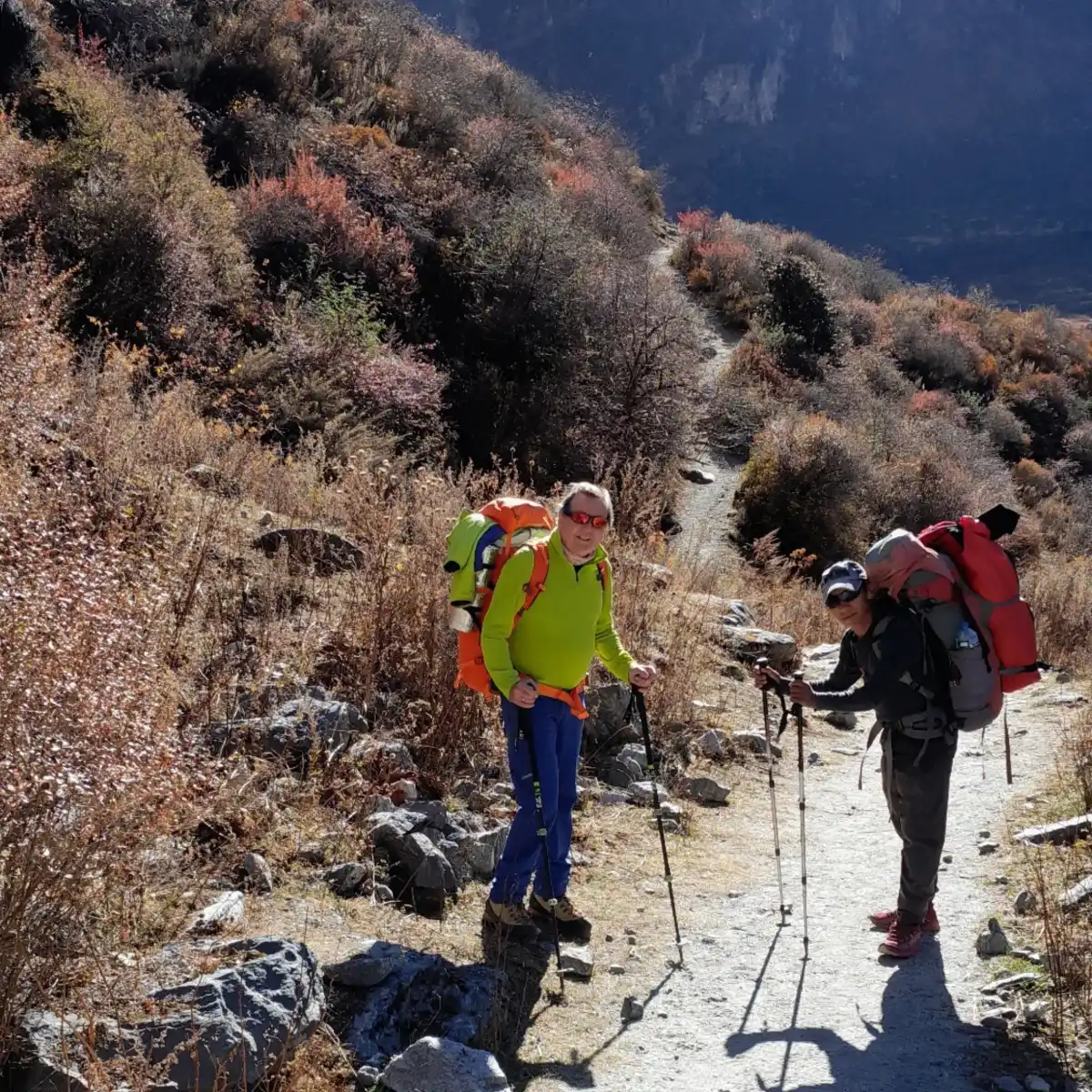
Good trekking boots and trekking poles can significantly reduce fatigue and improve stability.
5. Weather Conditions
Mountain weather changes quickly, especially above 3,500 meters.
Even during peak trekking seasons, temperatures can vary considerably between daytime and nighttime.
Typical conditions include:
| Season | Daytime Temperature | Night Temperature |
| Spring (Mar–May) | 10°C to 18°C | -5°C to 2°C |
| Autumn (Sep–Nov) | 8°C to 16°C | -8°C to 0°C |
| Winter (Dec–Feb) | Below 5°C | -15°C or lower |
| Monsoon (Jun–Aug) | 15°C to 22°C | 5°C to 10°C |
Snowfall near Larkya La Pass may increase the trek’s difficulty, particularly during winter and early spring.
While these factors make the Manaslu Circuit challenging, they do not mean the trek is only for experienced hikers. With proper preparation, many first-time trekkers complete the route safely. In the next section, we’ll look at the level of fitness beginners should have before starting the trek.
Manaslu Circuit Trek Difficulty Rating
The following table provides an overview of the trek’s key difficulty factors.
| Factor | Difficulty (1–10) | Why It Matters |
| Physical Fitness | 8/10 | Long trekking days require stamina and endurance. |
| Altitude | 9/10 | High elevation increases fatigue and AMS risk. |
| Trail Conditions | 7/10 | Rocky trails, steep climbs, and uneven terrain. |
| Technical Skills | 3/10 | No climbing experience is required. |
| Weather | 7/10 | Conditions can change rapidly, especially near the pass. |
| Remote Location | 8/10 | Limited facilities and emergency services. |
| Overall Difficulty | 8/10 | Challenging but achievable with preparation. |
Can Beginners Do the Manaslu Trek?
Yes, the Manaslu Trek is suitable for beginners with the right preparation. Although the Manaslu trek difficulty for beginners is considered moderate due to high altitude, long walking days, and remote terrain, many first-time trekkers complete the route successfully every year.
Every trekking season, many people complete the Manaslu Circuit without previous high-altitude trekking experience.
However, beginners should understand that this is not a casual walk. It requires preparation, patience, and commitment.
A beginner can successfully complete the trek if they:
- Be in good overall health.
- Train consistently for 8–12 weeks before the trek.
- Follow an itinerary that includes acclimatization days.
- Walk at a slow and steady pace.
- Stay hydrated and eat balanced, nutritious meals.
- Inform your guide immediately if you experience symptoms of altitude sickness.
Who May Find the Trek More Difficult?
The trek can be especially demanding for those who:
- Have a sedentary lifestyle.
- Rarely exercise.
- Underestimate the effects of high altitude.
- Try to rush the itinerary.
- Ignore early signs of altitude sickness.
For these trekkers, proper training before arrival in Nepal can make a significant difference.
While the trek presents several challenges, proper preparation allows many first-time trekkers to overcome them with confidence.
Why Beginners Often Succeed
One of the reasons beginners enjoy the Manaslu Circuit is that success depends more on consistent pacing and preparation than athletic ability.
Unlike climbing a mountain peak, the trek involves walking steadily day after day. Most healthy individuals who prepare adequately can complete it without major difficulties.
Professional guides monitor your pace, help with acclimatization, and ensure your safety throughout the journey. Combined with the welcoming hospitality of local tea houses and the stunning scenery of the Manaslu region, the experience is both challenging and deeply rewarding.
Fitness Level Required for the Manaslu Trek
One of the most common questions among first-time trekkers is:
“How fit do I need to be for the Manaslu Circuit Trek?”
The good news is that you do not need to be an athlete or marathon runner to complete the Manaslu Circuit Trek. However, a solid fitness foundation will help you manage long walking days, steep mountain trails, and the physical demands of trekking at high altitude.
The trek involves walking for 5 to 8 hours daily over rugged mountain trails for nearly two weeks. As you gain altitude, even gentle uphill sections become more demanding due to reduced oxygen levels.
A training plan that begins 8–12 weeks before your trek can significantly improve your experience.
Cardiovascular Endurance
Strong cardiovascular fitness helps your body use oxygen more efficiently, improves stamina, and reduces fatigue during long days on the trail.
Recommended activities
- Hiking on hills or uneven trails
- Brisk walking (60–90 minutes)
- Stair climbing
- Running or jogging
- Cycling
- Swimming
Aim for 4–5 cardio sessions per week, gradually increasing the duration and intensity.
Leg Strength
Strong leg muscles support your knees and joints, making steep ascents and descents more comfortable while lowering the risk of injury.
Include exercises such as:
- Squats
- Lunges
- Step-ups
- Wall sits
- Bulgarian split squats
- Calf raises
Perform strength training 2–3 times each week.
Core Stability
A strong core improves posture and balance, especially when walking on uneven trails while carrying a daypack.
Useful exercises include:
- Planks
- Side planks
- Bird-dogs
- Mountain climbers
- Russian twists
Just 15–20 minutes of core training several times a week can make a noticeable difference.
Mental Endurance
Physical fitness is only part of the challenge.
The Manaslu Circuit also requires:
- Patience during long trekking days
- Staying positive in changing weather
- Adjusting to simple tea house accommodation
- Coping with limited internet and electricity
- Maintaining motivation despite fatigue
A positive mindset often determines whether beginners enjoy the trek.
Altitude Challenges on the Manaslu Trek
Altitude is the single biggest factor affecting the Manaslu Trek difficulty for beginners.
As elevation increases, oxygen becomes thinner, causing your body to work harder.
Important Elevations Along the Trek
| Location | Elevation |
| Macha Khola | 930 m |
| Jagat | 1,340 m |
| Deng | 1,860 m |
| Namrung | 2,630 m |
| Lho | 3,180 m |
| Samagaon | 3,530 m |
| Samdo | 3,875 m |
| Dharamsala (Larkya Phedi) | 4,460 m |
| Larkya La Pass | 5,106 m |
| Bimthang | 3,720 m |
Understanding Acute Mountain Sickness (AMS)
One of the biggest factors contributing to Manaslu trek difficulty for beginners is the risk of Acute Mountain Sickness (AMS). As you ascend above 2,500 meters, the amount of oxygen in the air decreases, making it harder for your body to adapt. AMS can affect anyone, regardless of age, fitness level, or previous trekking experience, so understanding its symptoms and prevention is essential for a safe journey.
AMS develops when your body does not have enough time to adjust to higher elevations. Symptoms usually appear within a few hours after gaining altitude and may worsen if you continue climbing without proper acclimatization.
Early symptoms include:
- Persistent headache
- Loss of appetite
- Nausea
- Dizziness
- Difficulty sleeping
- Fatigue
- Shortness of breath
Ignoring these symptoms can lead to more serious altitude illnesses.
How to Prevent Altitude Sickness
Experienced trekking guides recommend following these simple rules:
- Walk slowly: A steady pace helps your body adjust to thinner air and conserves energy.
- Drink 3–4 liters of water daily: Staying hydrated supports acclimatization and reduces fatigue.
- Avoid alcohol: Alcohol can worsen dehydration and interfere with your body’s ability to adapt to altitude.
- Eat carbohydrate-rich meals: Carbohydrates provide readily available energy for long trekking days.
- Take acclimatization days seriously: Rest days allow your body to adjust before climbing higher.
- Never ignore symptoms: Inform your guide immediately if symptoms worsen.
- Ascend gradually: Avoid gaining sleeping elevation too quickly whenever possible.
Remember:
The mountain will always be there. Your health comes first.
Daily Trekking Difficulty Breakdown
Every day on the Manaslu Circuit presents different challenges.
| Day | Route | Walking Hours | Difficulty |
| 1 | Macha Khola | 6–7 hrs | Moderate |
| 2 | Jagat | 6 hrs | Moderate |
| 3 | Deng | 6 hrs | Moderate |
| 4 | Namrung | 6–7 hrs | Moderate |
| 5 | Lho | 4–5 hrs | Easy–Moderate |
| 6 | Samagaon | 4 hrs | Easy |
| 7 | Acclimatization Day | Optional hike | Easy |
| 8 | Samdo | 4 hrs | Easy |
| 9 | Dharamsala | 4 hrs | Moderate |
| 10 | Larkya La Pass – Bimthang | 8–10 hrs | Very Challenging |
| 11 | Tilije | 6 hrs | Moderate |
| 12 | Dharapani | 4 hrs | Easy |
The Most Difficult Day
Crossing Larkya La Pass is undoubtedly the toughest part of the trek.
Challenges include:
- Early morning start (around 3–4 AM)
- Thin air
- Steep climb
- Cold temperatures
- Snow or ice depending on the season
- Long descent afterward
Fortunately, reaching the summit rewards trekkers with breathtaking panoramic views of Manaslu, Himlung Himal, Cheo Himal, Kang Guru, and Annapurna II.
For many, this becomes the highlight of the entire journey.
Biggest Challenges Beginners Face
While most first-time trekkers successfully complete the circuit, being prepared for these obstacles will help you stay safe, confident, and enjoy the journey even more.
1. Thin Air
Above 3,500 meters, many people notice slower walking speeds and quicker fatigue.
This is completely normal.
Trying to keep pace with faster trekkers can increase fatigue and raise the risk of altitude sickness, so it’s important to walk at a pace that feels comfortable for you. .
2. Consecutive Trekking Days
Unlike a one-day hike, the Manaslu Circuit requires walking every day for nearly two weeks.
Your muscles have less time to recover, making proper nutrition and sleep essential.
Gentle stretching each evening and staying hydrated can also help reduce muscle soreness and improve recovery.
3. Cold Nights
At higher villages, nighttime temperatures can fall below -5°C, even during the popular spring and autumn trekking seasons.
A quality sleeping bag and warm layers are essential.
4. Basic Accommodation
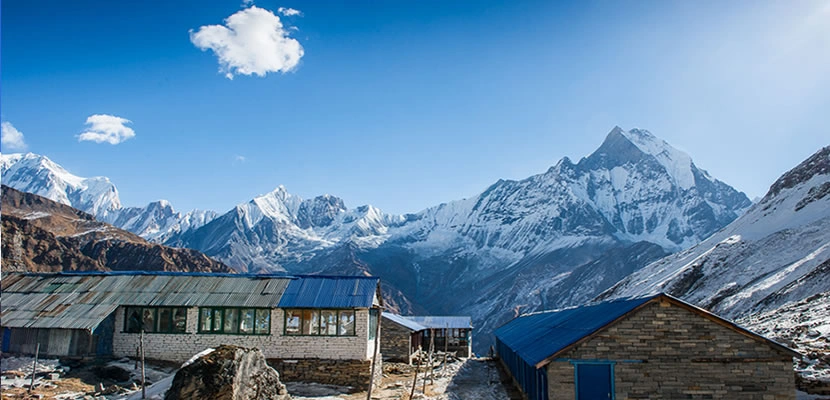
Tea houses provide everything necessary but remain simple.
Expect:
- Shared dining rooms
- Twin-sharing bedrooms
- Shared toilets
- Limited hot showers
- Basic charging facilities
Although facilities are simple, the tea houses are known for their warm hospitality, hearty meals, and welcoming atmosphere, making them a memorable part of the trekking experience.
5. Limited Connectivity
Wi-Fi is available in some villages but is often slow or unavailable.
Mobile signals also become unreliable at higher elevations.
Many trekkers appreciate the opportunity to disconnect from daily life and immerse themselves in nature.
Download offline maps, carry a power bank, and let family or friends know that communication may be limited during parts of the trek.
6. Mental Fatigue
Long days, changing weather, and physical effort can occasionally feel overwhelming.
Celebrating small milestones and enjoying the surrounding landscapes can help maintain motivation throughout the journey.
How to Prepare for the Manaslu Trek
Preparation is the key to transforming a challenging trek into an enjoyable adventure.
Physical Preparation
Start training 2–3 months before departure.
Weekly routine:
- Cardio: 4–5 days
- Strength training: 2–3 days
- Weekend hike with a backpack
- Stretching or yoga: 2–3 days
Gradually increase your hiking distance and elevation gain.
Mental Preparation
Research the trek thoroughly and set realistic expectations.
Understand that:
- Some days will be physically demanding.
- Weather can change quickly.
- Basic accommodation is part of the experience.
A flexible and positive attitude will help you enjoy every stage of the journey.
Gear Preparation
Invest in high-quality trekking gear before arriving in Nepal.
Essential equipment includes:
- Waterproof hiking boots
- Trekking poles
- Layered clothing
- Down jacket
- Sleeping bag rated for cold temperatures
- Backpack (40–50L)
- Rain cover
- Headlamp
- Sunglasses
- Sunscreen
- Reusable water bottles
- Water purification tablets
Avoid using brand-new boots on the trek. Break them in during your training hikes to prevent blisters.
Nutrition Before the Trek
A balanced diet supports endurance and recovery.
Focus on:
- Lean proteins
- Whole grains
- Fresh fruits
- Vegetables
- Healthy fats
- Plenty of water
Reduce excessive alcohol and processed foods in the weeks leading up to your trek.
Practice Hikes
Nothing prepares you better than hiking.
Aim to complete several long walks carrying the backpack weight you expect to use on the trek.
This helps your body adjust and allows you to test your gear before reaching the Himalayas.
Best Time to Trek Manaslu for Beginners
Choosing the right season can make a significant difference in your trekking experience. Good weather, stable trails, and clear mountain views reduce the overall difficulty of the Manaslu Circuit Trek, especially for first-time trekkers.
The two best seasons are spring (March to May) and autumn (September to November). During these months, the weather is generally stable, visibility is excellent, and the trails are safer.
Seasonal Comparison
| Season | Difficulty | Weather | Recommendation |
| Spring (March–May) | Moderate | Mild temperatures, blooming rhododendrons, clear skies | ⭐⭐⭐⭐⭐ Best for beginners |
| Autumn (September–November) | Moderate | Dry weather, excellent mountain views | ⭐⭐⭐⭐⭐ Best for beginners |
| Winter (December–February) | High | Snowfall, freezing temperatures, icy trails | Experienced trekkers only |
| Monsoon (June–August) | High | Heavy rainfall, slippery trails, landslides | Not recommended |
Why Spring Is Ideal
Spring offers comfortable daytime temperatures and spectacular landscapes filled with blooming rhododendron forests. Snow generally remains only at higher elevations, making trail conditions favorable.
Why Autumn Is Popular
Autumn follows the monsoon season, bringing crisp mountain air and some of the clearest Himalayan views of the year. It is also Nepal’s peak trekking season due to its stable weather.
Essential Packing Tips for Beginners
Packing wisely can greatly improve your comfort and safety during the trek. Since temperatures vary significantly between lower villages and high mountain passes, layering is essential.
Clothing
- Moisture-wicking base layers
- Insulating fleece jacket
- Down jacket
- Waterproof shell jacket
- Waterproof trekking pants
- Thermal underwear
- Warm hat
- Sun hat
- Gloves
- Wool socks
Footwear
- Waterproof trekking boots
- Camp shoes or sandals
- Gaiters (optional during snowy conditions)
Trekking Gear
- Trekking poles
- 40–50L backpack
- Rain cover
- Sleeping bag (-10°C to -15°C comfort rating)
- Headlamp with spare batteries
Health & Hygiene
- Personal first-aid kit
- Water purification tablets or filter
- Sunscreen (SPF 50+)
- Lip balm
- Hand sanitizer
- Wet wipes
- Toilet paper
Electronics
- Power bank
- Charging cables
- Universal adapter
- Camera
- Extra memory cards
Documents
- Passport
- Trekking permits
- Travel insurance
- Passport-sized photos
- Cash in Nepalese Rupees
Common Mistakes Beginners Should Avoid
Even physically fit trekkers can make mistakes that increase the trek’s difficulty.
Walking Too Fast
Many beginners start with too much enthusiasm and quickly become exhausted.
Maintain a slow, steady pace and conserve your energy.
Ignoring Acclimatization
Skipping acclimatization days significantly increases the risk of altitude sickness.
These rest days are essential—not optional.
Drinking Too Little Water
High-altitude trekking causes dehydration more quickly than expected.
Aim to drink 3–4 liters of water each day.
Packing Too Much
A heavy backpack drains energy.
Pack only what you truly need.
Wearing New Hiking Boots
Unbroken boots are one of the leading causes of painful blisters.
Wear your boots during training hikes before arriving in Nepal.
Underestimating Mountain Weather
The weather in the Himalayas can change rapidly.
Always carry warm and waterproof clothing, even if the day begins with sunshine.
Ignoring Early Symptoms of AMS
Never dismiss persistent headaches, nausea, or dizziness.
Inform your guide immediately if symptoms appear.
Safety Tips for a Successful Trek
Following basic safety practices greatly increases your chances of completing the Manaslu Circuit comfortably.
- Trek with a licensed guide (required in the restricted Manaslu region).
- Follow your planned itinerary without rushing.
- Stay hydrated throughout the day.
- Eat enough carbohydrates to maintain energy.
- Dress in layers to adapt to changing temperatures.
- Listen to your body and avoid overexertion.
- Carry travel insurance that covers high-altitude trekking and emergency helicopter evacuation.
- Keep sufficient cash, as ATMs are unavailable along most of the route.
- Respect local customs, monasteries, and village traditions.
- Monitor weather conditions before crossing Larkya La Pass.
Manaslu Trek vs. Other Popular Treks
Many trekkers compare the Manaslu Circuit with Nepal’s other famous trekking routes.
| Trek | Difficulty | Highest Elevation | Crowds | Suitable for Beginners |
| Manaslu Circuit Trek | Challenging | 5,106 m | Low | Yes, with preparation |
| Everest Base Camp Trek | Challenging | 5,364 m | High | Yes |
| Annapurna Circuit Trek | Moderate–Challenging | 5,416 m | Moderate | Yes |
| Langtang Valley Trek | Moderate | 4,984 m | Moderate | Excellent for beginners |
Why Choose the Manaslu Circuit?
Compared with more popular trekking routes, the Manaslu Circuit offers:
- Fewer crowds
- Rich Tibetan Buddhist culture
- Remote mountain villages
- Diverse landscapes
- Spectacular Himalayan scenery
- A more peaceful trekking experience
If you’re looking for an off-the-beaten-path adventure, Manaslu is an outstanding choice.
Final Verdict: Is the Manaslu Trek Worth It for Beginners?
The Manaslu Circuit Trek is undoubtedly one of Nepal’s most challenging yet rewarding trekking adventures. While beginners may find the combination of high altitude, long walking days, and remote conditions demanding, these challenges are entirely manageable with proper preparation.
If you commit to regular fitness training, follow a gradual itinerary with acclimatization days, invest in quality trekking gear, and travel with an experienced guide, there is every reason to believe you can complete the trek successfully.
Beyond the physical achievement, you’ll be rewarded with unforgettable experiences—crossing the breathtaking Larkya La Pass, exploring traditional Himalayan villages, visiting ancient Buddhist monasteries, and walking through the pristine landscapes of the Manaslu Conservation Area.
For beginners seeking an authentic Himalayan adventure away from the crowds, the Manaslu Circuit Trek offers the perfect balance of challenge, cultural immersion, and natural beauty. With careful planning and a positive mindset, it can become one of the most memorable journeys of your life.
Frequently Asked Questions (FAQs)
Is the Manaslu Trek suitable for beginners?
Yes. Beginners with good physical fitness, proper training, and a well-planned itinerary can successfully complete the Manaslu Circuit Trek. Trekking with a licensed guide and allowing enough time for acclimatization are essential for a safe and enjoyable experience.
How difficult is the Manaslu Circuit Trek?
The Manaslu Circuit Trek is considered moderately to highly challenging because of its high altitude, long trekking days, remote trails, and rugged terrain. It does not require technical climbing skills but demands endurance and preparation.
How fit should I be?
You should be able to walk for 6–8 hours a day over consecutive days while carrying a light backpack. Regular cardio, strength training, and practice hikes for at least two months before the trek are recommended.
How many hours do you walk each day?
Most trekking days involve 5–8 hours of walking. Crossing Larkya La Pass is the longest day and may take 8–10 hours, depending on weather and trail conditions.
What is the highest point of the trek?
The highest point is Larkya La Pass, located at 5,106 meters (16,752 feet) above sea level. It offers panoramic views of several Himalayan peaks.
Is altitude sickness common?
Altitude sickness can affect any trekker above 2,500 meters. Walking slowly, staying hydrated, and following acclimatization days help reduce the risk significantly.
Do I need a guide for the Manaslu Trek?
Yes. The Manaslu region is a restricted trekking area, and current regulations require trekkers to be accompanied by a licensed guide. This also enhances safety and provides valuable local knowledge.
How long does the Manaslu Trek take?
Most itineraries take 14 to 18 days, depending on the starting point, pace, acclimatization schedule, and any side trips included.
What is the best season for beginners?
Spring (March to May) and autumn (September to November) are the best seasons because they offer stable weather, pleasant temperatures, and clear mountain views.
Can I trek the Manaslu Circuit solo?
No. Independent trekking is not permitted in the restricted Manaslu region. You must trek with a licensed guide and obtain the required permits through a registered trekking agency.