Read Time
What Is a Tea House in Nepal?
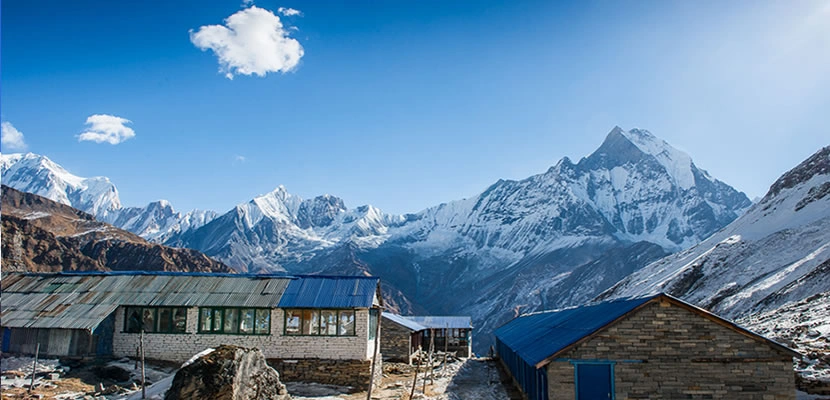
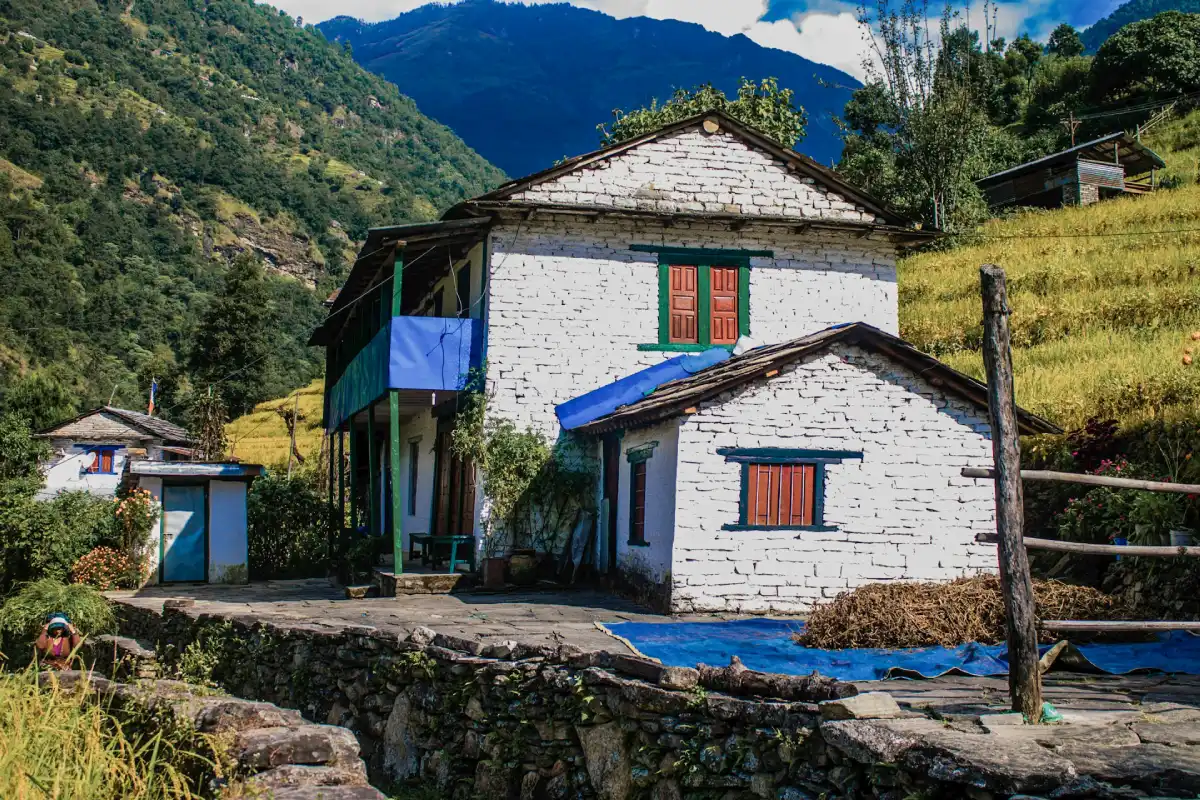
To understand the trek, you must understand the shelter. A “tea house” is a simple mountain lodge that acts as a refuge from the cold. Historically, these were resting stops for traders moving salt and goods across the Himalayas. Today, they have evolved into lodges for trekkers, but the soul remains the same.
Unlike camping treks, where you are isolated in tents with a separate kitchen crew, tea house trekking immerses you in the local community. These places are run by local families, not corporations. This structure is vital for sustainable tourism; the money you spend on food and lodging goes directly into the hands of the villagers, supporting local livelihoods and keeping the mountain economy alive.
Rooms: Simple Comfort for Restful Nights
After hours of climbing stone steps, you don’t need fancy decor; you just need a place to crash. The rooms here are basic but do the job.
You’ll typically find twin beds with foam mattresses, clean sheets, and a warm blanket. The walls are usually wood, thin enough that you might hear your neighbors, but thick enough to keep the wind out.
The rooms are generally unheated. In autumn and winter, the air inside can get crisp, which is why a good sleeping bag is highly recommended. There’s usually a small table for your gear, but not much else. Most bathrooms are shared, though you might get lucky with an attached one in certain villages. Honestly, the simplicity is part of the charm, it’s quiet, distraction-free, and helps you sleep comfortably.
Food on the Trail: Hearty, Local & Energizing
You will be hungry, really hungry. The meals on the Ghorepani route are designed for exactly that. Everything is cooked fresh in the kitchen, often using whatever vegetables are growing in the garden outside.
Common meal options include:
- Dal bhat (rice, lentils, vegetables) with refills
- Noodles, pasta, and fried rice
- Vegetable curries and soups
- Eggs, omelets, porridge, pancakes, and Tibetan bread
- Momos in select villages
Dal bhat remains the most reliable and nutritious option, offering sustained energy and warmth after a demanding day on the trail.
Facilities: Basic, Practical & Improving
Tea house facilities along the Ghorepani Poon Hill Trek are among the best in Nepal’s trekking regions, yet they remain intentionally simple.
What you can generally expect:
- Shared squat or Western-style toilets
- Hot showers available for a small fee
- Solar or hydro-powered electricity
- Charging points for phones and cameras (paid)
- Limited Wi-Fi in some lower villages/li>
Electricity and water are limited mountain resources, so mindful use is part of responsible trekking.
Cleanliness & Hygiene: Staying Comfortable on the Trail
Tea house owners work hard to maintain cleanliness, though conditions at altitude naturally limit what is possible.
Practical hygiene tips:
- Carry hand sanitizer and wet wipes
- Bring your own toilet paper
- Drink purified or boiled water only
- Choose freshly cooked meals
These small precautions go a long way toward staying healthy and comfortable throughout the trek.
Here is a broader, SEO-friendly version of the “Cultural Experience & Local Hospitality” section.
I have expanded it to include specific details about the ethnic groups (Gurung and Magar), the significance of the kitchen fire, and the concept of Atithi Devo Bhava(Guest is God), which adds depth for search engines and value for your readers.
Cultural Experience: Inside the Homes of Gurung & Magar People
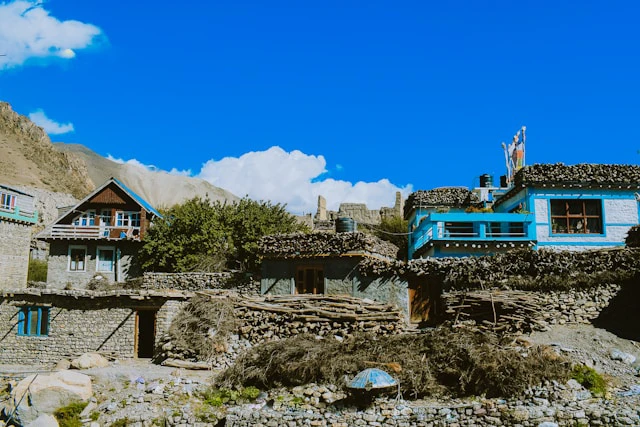
The Ghorepani Poon Hill Trek is more than a walk through nature; it is a cultural immersion into the ancestral lands of the Gurung and Magar people. These ethnic groups are world-famous for their bravery as Gurkha soldiers, but in these hills, they are known for their warmth, farming traditions, and incredible hospitality.
When you stay in a tea house, you aren’t just a customer—you are practicing the ancient Nepali belief of Atithi Devo Bhava(The Guest is God).
- A True Family-Run Atmosphere Unlike commercial hotels in the city, tea houses are multi-generational family homes extended to welcome travelers.
- Living History: You will often see three generations under one roof. It is common to see a grandmother spinning wool on a traditional spindle in the courtyard while the younger generation manages bookings on a smartphone.
- Authentic Connection: Because these are family businesses, the service is personal. Don’t be surprised if the owner sits down to chat about their children in the city or the potato harvest. This connection is the heart of the Annapurna tea house experience.
- The Dining Hall: The Social Hub The dining hall is the beating heart of every tea house. As the sun sets and the temperatures drop, this becomes the most important room in the lodge.
- The Sacred Stove: Every dining hall features a central wood-burning stove (often called a “chimney”). It provides the only heat in the building.
- A Digital Detox: With no TVs and often spotty Wi-Fi, the dining hall forces strangers to become friends. Trekkers from Germany, Korea, and Australia sit shoulder-to-shoulder with Nepali guides, sharing travel stories over cups of hot ginger tea.
- Essential Cultural Etiquette for Trekkers To show respect to your hosts and the local culture, there are a few simple “unwritten rules” to follow:
- The Sacred Fire: Never throw trash (especially plastic wrappers) into the wood stove. In mountain culture, the fire is considered pure and sacred—often the dwelling place of a deity.
- Dress Modestly: The mountains are conservative. Wearing revealing clothing in the common dining area can be seen as disrespectful.
- The Magic of “Namaste“: A simple “Namaste” (with palms pressed together) breaks all language barriers. It is the perfect greeting for everyone, from the trail porter to the lodge owner.
- Right Hand Rule: When giving or receiving money or food, use your right hand (or both hands). The left hand is traditionally considered unclean.
- Unique Cultural Sights on the Trail
- Ghandruk Village: This is the cultural capital of the trek. Here, you can visit the Gurung Cultural Museum to see traditional tools and dress.
- Architecture: Pay attention to the stone slate roofs and intricately carved wooden windows, particularly in Ghandruk and Ulleri. These are classic examples of Himalayan craftsmanship.
What Makes the Tea House Experience Special
What truly defines tea house trekking is the people behind it. Families wake early to prepare meals, tend fires late into the night, and welcome trekkers with quiet warmth rather than formality.
The smiles, short conversations, and shared moments around the stove often leave a deeper impression than any photograph. In the mountains, hospitality feels personal – and genuine.
The tea house experience on the Ghorepani Poon Hill Trek teaches an important lesson – you don’t need luxury to feel comfortable. Warm food, a clean bed, and heartfelt hospitality are more than enough when surrounded by mountains. By the time the trek ends, many travelers realize that these simple stays were not just part of the journey – they were the journey.
Tips for Enjoying the Best Tea House Experience
A little preparation goes a long way to making your stay comfortable.
- Order Food Early: As soon as you arrive, choose your dinner and tell the kitchen what time you want to eat. This guarantees your food is ready when you are hungry and helps the family manage the kitchen rush.
- Pack Smart:
- Earplugs: The wooden walls are thin. If your neighbor snores, you’ll hear it.
- Headlamp: Essential for midnight bathroom runs when the power is out.
- Sleeping Bag: Blankets are provided, but for hygiene and extra warmth (especially in Ghorepani), a sleeping bag is your best friend.
- Respect the Staff: The person serving your tea might also be the owner. Treat them with the respect you’d give a host, not a servant.