Read Time
Walking Lightly in the Himalayas, Leaving a Positive Footprint
The Ghorepani Poon Hill Trek is often described as one of Nepal’s most accessible Himalayan journeys – but its true value goes far beyond sweeping mountain views and forest trails. This route winds through living villages, sacred forests, fragile ecosystems, and generations-old cultures that depend on mindful tourism for survival.
Responsible trekking in Ghorepani Poon Hill Trek isn’t about strict rules or complicated ethics. It’s about awareness, respect, and small choices that make a lasting difference – for the mountains, for local communities, and for the future of trekking itself.
Why is Responsible Trekking in Ghorepani poon hill is a matter of concern?
The Ghorepani region lies within the Annapurna Conservation Area (ACA) – Nepal’s first and largest protected area. Thousands of trekkers walk these trails every year, and while tourism brings income and opportunity, it also places pressure on:
- Forest resources
- Waste management systems
- Water supplies
- Traditional village life
Practicing responsible trekking ensures that this beloved route remains beautiful, welcoming, and sustainable for generations to come.
1. Respect Local Culture, Traditions & Daily Life
Villages along the Ghorepani route – such as Ulleri, Ghorepani, and Ghandruk, are home to Gurung and Magar communities, whose lives are shaped by agriculture, family, and deep spiritual traditions.
How to Trek Respectfully:
- Dress modestly in villages (cover shoulders and knees).
- Always ask before photographing people, homes, or religious rituals.
- Walk clockwise around mani walls,temples, chortens, and prayer flags.
- Greet locals with a warm “Namaste”—a simple gesture that opens hearts
Remember:You are not just passing through a place – you are stepping into someone’s home.
2. Support Local Communities Through Conscious Choices
One of the most powerful ways to trek responsibly is to ensure your presence directly benefits the people who live along the trail.
Make a Positive Economic Impact By:
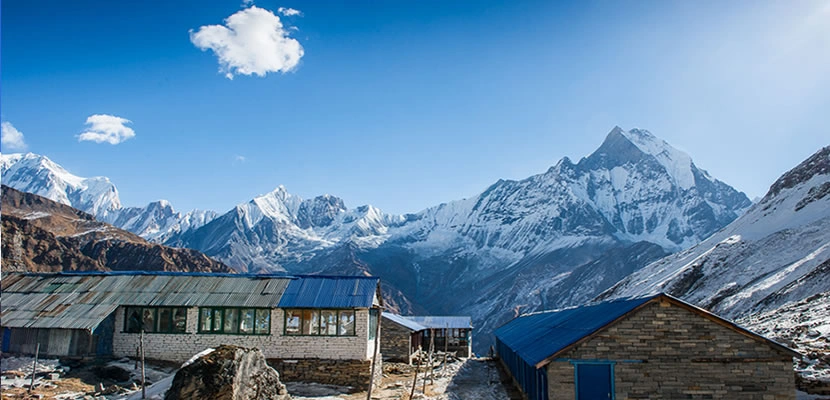
- Staying in locally run tea houses instead of imported luxury lodges
- Eating meals where you stay (this helps small businesses survive)
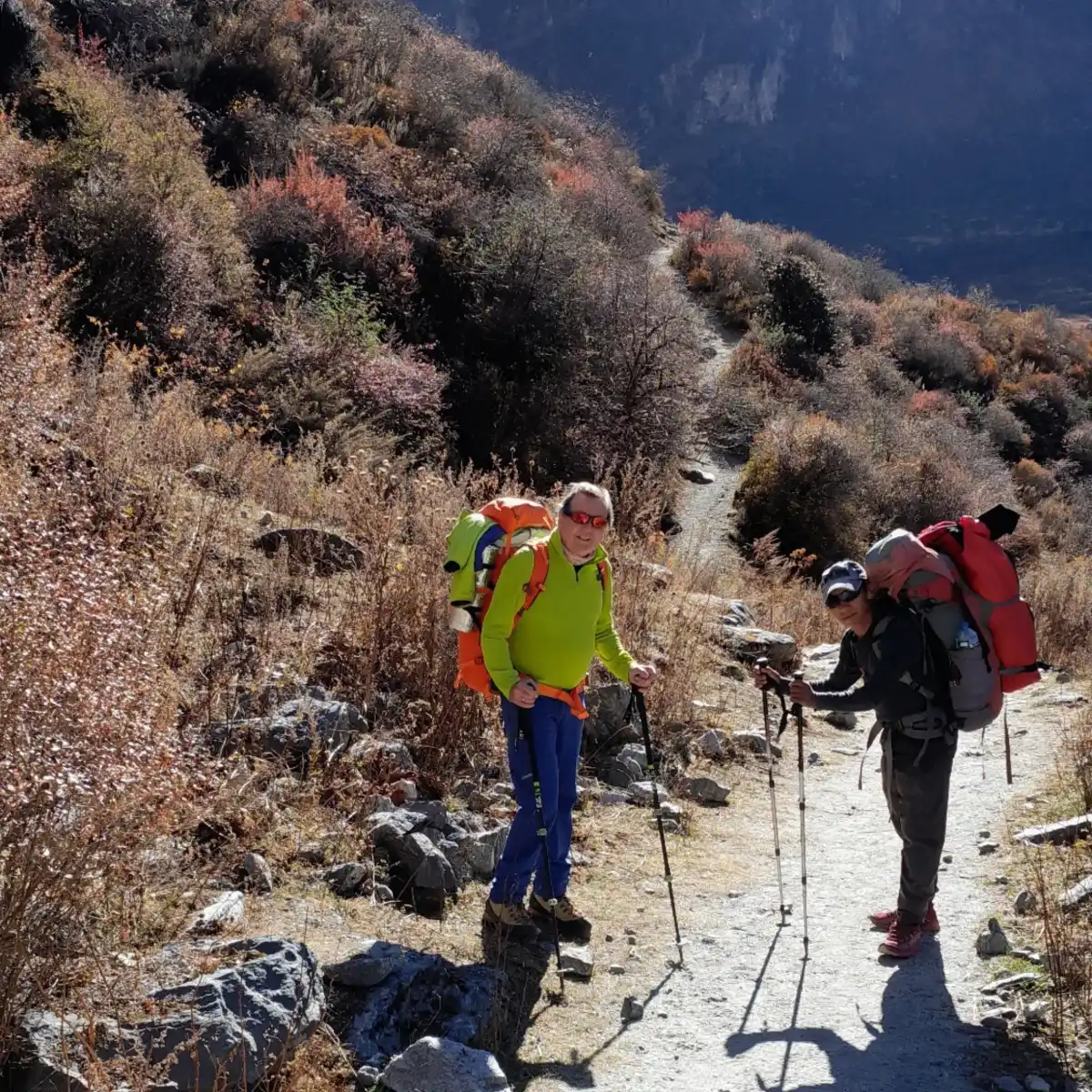
- Hiring local guides and porters with fair wages and proper insurance
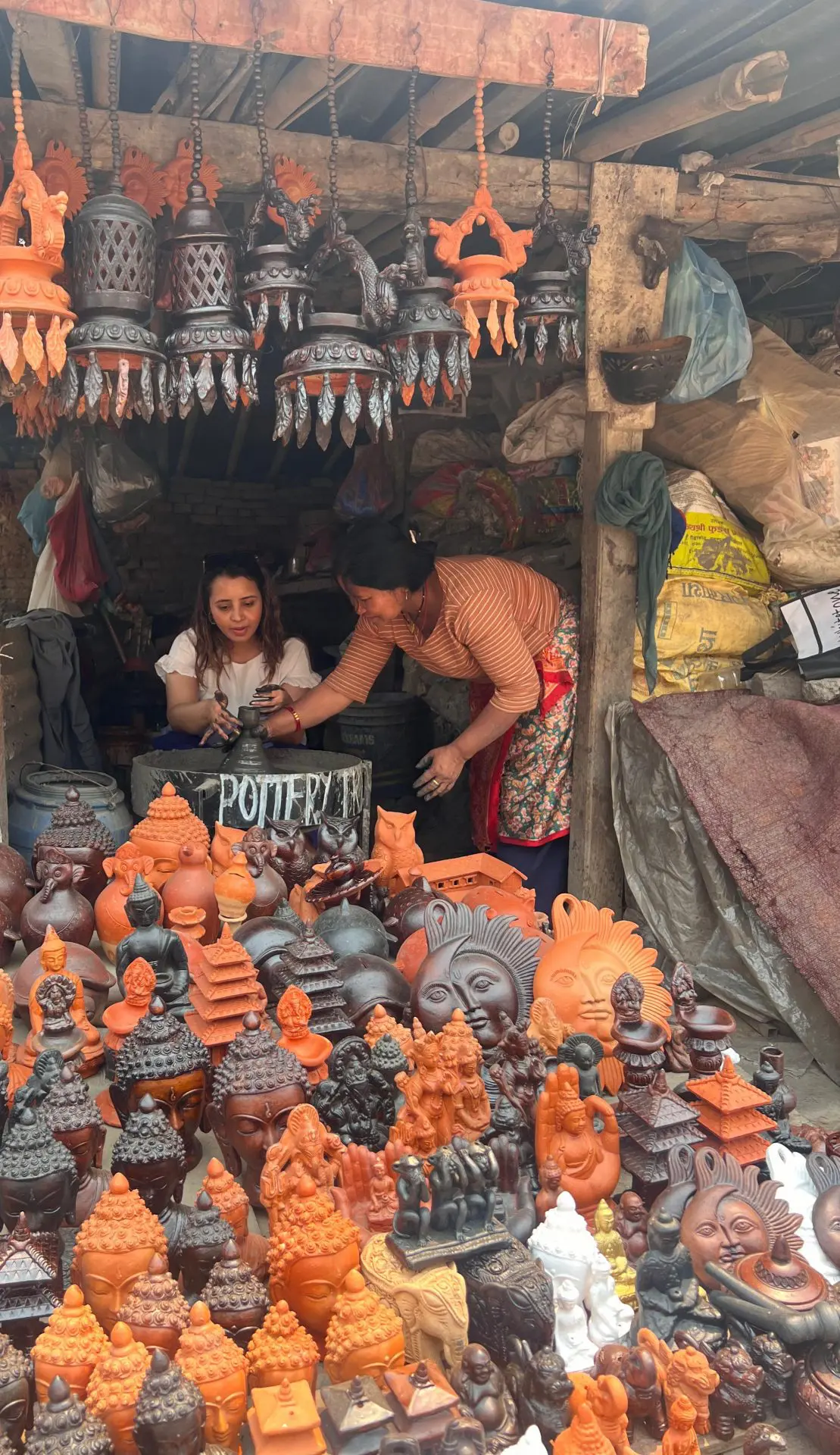
- Purchasing handmade crafts directly from villagers when possible
A cup of tea, a night’s stay, or a locally prepared meal may seem small – but collectively, these choices sustain livelihoods and preserve mountain communities.
3. Leave No Trace: Protecting the Trail & Environment
The forests along the Ghorepani route – especially the rhododendron corridors – are ecologically sensitive and slow to recover from damage.
Follow Leave No Trace Principles:
- Carry all non-biodegradable waste back to Pokhara or Kathmandu
- Avoid plastic bottles; use refillable bottles and purification tablets
- Do not litter, burn trash, or bury waste
- Use designated toilets whenever available
- Stay on established trails to prevent erosion and plant damage
If you packed it in, pack it out.
The mountains remember every footprint.
4. Use Water & Energy Mindfully
Mountain resources are limited, especially firewood and clean water. Excessive use directly affects both the environment and local households.
Responsible Use Tips:
- Take short showers or skip them when possible
- Choose solar-heated water when available
- Avoid unnecessary laundry on the trail
- Switch off lights, heaters, and charging points when not in use
- Limit hot water requests during busy trekking seasons
Every small act of conservation protects the fragile balance of mountain life.
5. Ethical Treatment of Guides, Porters & Animals
Behind every safe and memorable trek are hardworking local professionals.
Trek Ethically By:
- Choosing agencies that provide proper services, food, insurance, and fair wages.
- Respecting porter weight limits
- Avoiding exploitation or bargaining down essential services
- Being patient and kind – especially in challenging weather or terrain
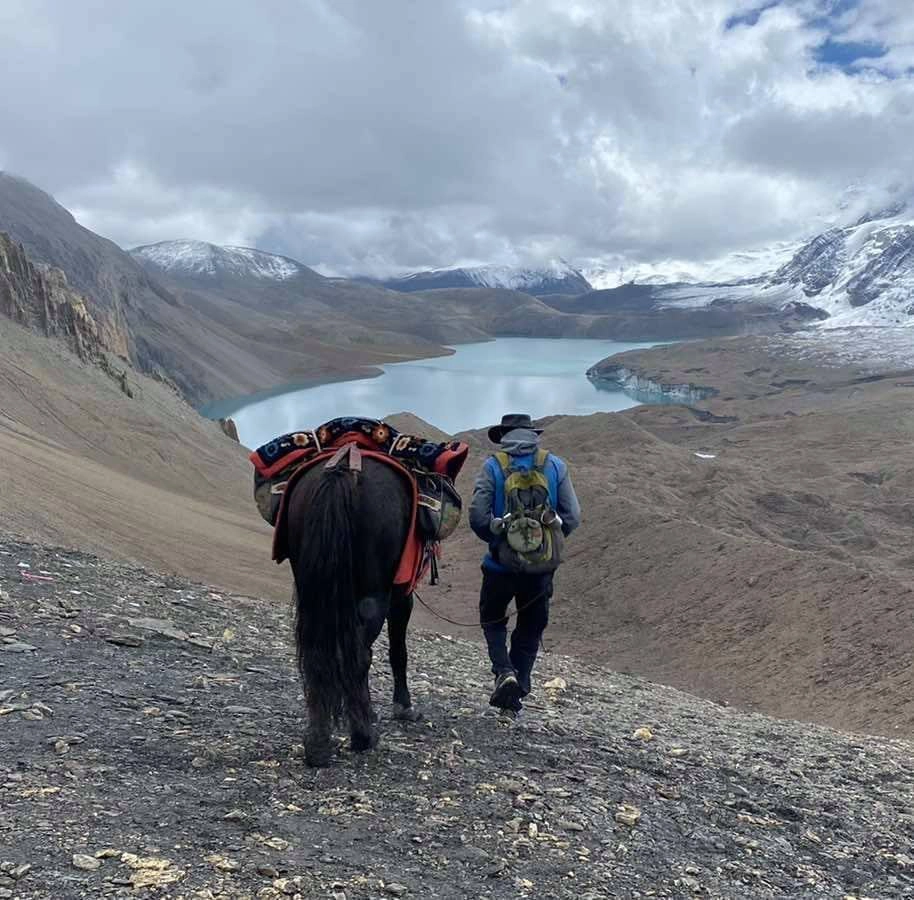
If animals such as mules or horses are used, ensure they are:
- Not overloaded
- Treated humanely
- Handled by experienced local handlers
Responsible trekking is as much about human dignity as it is about nature.
6. Stay Safe Without Risking Others
Responsible trekkers prioritize safety – not just for themselves, but for everyone involved.
Safety-Conscious Practices:
- Walk at a steady pace; avoid rushing or showing off endurance
- Inform guides of discomfort, fatigue, or illness early
- Respect weather conditions and local advice
- Avoid alcohol at higher elevations/li>
- Stay with your group, especially during early-morning hikes to Poon Hill
Your decisions affect not only you, but also guides, porters, and rescue resources.
7. Engage, Don’t Consume the Experience
Responsible trekking is about connection, not consumption.
- Learn about local customs and farming life
- Listen to village stories shared over tea
- Appreciate silence in forests and viewpoints
- Leave space for reflection instead of rushing for photos
The Ghorepani trek offers more than scenery – it offers perspective.
8. Choosing a Responsible Trekking Operator Matters
Not all trekking experiences are created equal. A responsible operator ensures:
- Fair employment practices
- Environmental awareness
- Cultural sensitivity
- Small-group, low-impact travel
At Euro-Asia Travels, responsible trekking is not an add-on – it is the foundation of how we design every journey. From supporting local guides to minimizing environmental impact, we believe that travel should give back more than it takes.
Sustainable Trekking Tips for Nepal Treks
Follow these tips to practice sustainable trekking practices in Nepal:
- Stay on marked trails – prevents soil erosion and protects vegetation.
- Carry reusable water bottles and utensils – reduces plastic waste.
- Use eco-friendly toiletries – biodegradable soaps and shampoos are safe for nature.
- Respect local culture – follow traditions, customs, and etiquette in villages.
- Dispose of waste responsibly – pack out all litter and leave no trace.
- Support local businesses – choose local guides, accommodations, and eateries.
- Minimize energy use – conserve electricity and use solar chargers when possible.
Following these tips ensures a rewarding trek while preserving Nepal’s natural beauty and supporting local communities.
Final Thoughts: Tread Lightly, Trek Meaningfully
The Ghorepani Poon Hill route has welcomed trekkers for decades, not because it is easy – but because it is generous. It gives views, warmth, stories, and moments of quiet awe.
Responsible trekking ensures that this generosity is honored.
When you walk thoughtfully, choose consciously, and respect deeply, the mountains respond in kind—offering not just memories, but meaning.
FAQs – Responsible Trekking in Ghorepani Poon Hill
What is responsible trekking in Ghorepani Poon Hill?
Responsible trekking means minimizing environmental impact, respecting local culture, following marked trails, and supporting local communities while enjoying the trek.
How can I practice sustainable trekking in Ghorepani Poon Hill?
Use reusable bottles and utensils, pack biodegradable toiletries, avoid single-use plastics, dispose of waste properly, and hire local guides to support the community.
Why is responsible trekking important in Poon Hill?
It preserves the Himalayan ecosystem, protects wildlife, maintains trails, and ensures that future trekkers can enjoy the area’s natural beauty.
What should I avoid while trekking in Ghorepani Poon Hill?
Avoid littering, disturbing wildlife, cutting trails off marked paths, and disrespecting local customs or sacred sites.
Are there eco-friendly accommodations in Ghorepani Poon Hill?
Yes, many teahouses and lodges follow sustainable practices like solar energy use, waste management, and supporting local food and labor.
How can I reduce my carbon footprint during the trek?
Walk instead of using motorized transport, carry lightweight gear, avoid disposable plastics, and choose eco-friendly lodging and guides.
Can I volunteer or contribute to local conservation during the trek?
Some local organizations allow trekkers to participate in clean-up drives, tree planting, or community support projects to help sustain the environment.