Read Time
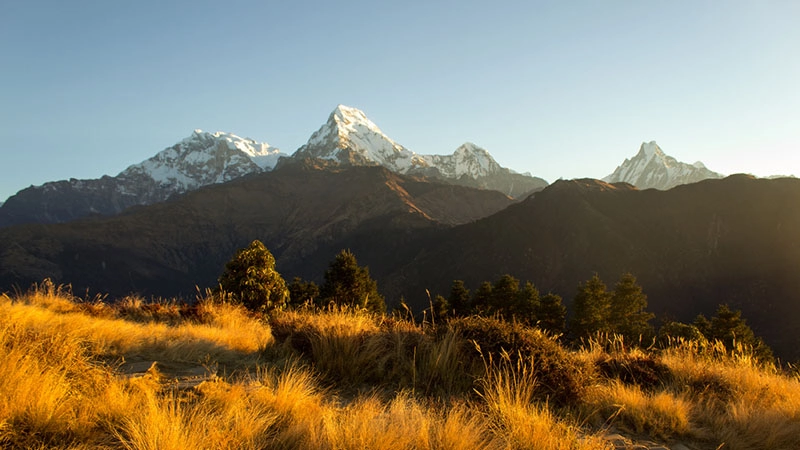
The spring (March to May) and fall (September to November) seasons are the best time for Ghorepani Poon Hill trek. These months provide the greatest weather, the clearest views of the mountains, and the perfect setting for those famous dawn photos over Dhaulagiri and Annapurna. But there are benefits to every season. Autumn offers unparalleled visibility and fresh air, while spring delivers lush pathways and blossoming rhododendrons.
The Ghorepani Poon Hill Trek is more than just a trail through Nepal’s Annapurna region — it’s a journey through shifting seasons, dramatic skies, and ever-changing mountain moods. Choosing the right time to hike this classic route can transform your experience from simply scenic to truly unforgettable. Whether you picture rhododendrons in full bloom, crisp autumn views, or snowy silence under starlit skies, each season offers something uniquely beautiful. This guide will help you understand how weather, visibility, and seasonal character influence the trek, so you can pick the timing that matches your heart’s desire.
Ghorepani Poon Hill Trek by Season
Spring: Blossoms & Milder Days (March–May)
Season Info:
- Average Temperature: 10°C – 20°C (50°F – 68°F) at lower elevations, 0°C – 10°C (32°F – 50°F) at higher elevations
- Weather:Mild, mostly sunny with occasional showers
- Trail Conditions:Dry to slightly muddy in some areas after rain
Things to Consider:
- Popular season; teahouses and trails may be crowded
- Early mornings offer the clearest mountain views
- The trail is alive with colorful rhododendron blossoms
- Moderate weather is ideal for trekking without extreme cold
As winter loosens its grip and the earth begins to wake, the hills along the Ghorepani trail burst into color. Spring in Nepal is synonymous with rhododendron blossoms — fiery reds, soft pinks, and emerald greens paint the forested slopes, inviting you into nature’s grand awakening. Daytime temperatures are gentle and comfortable for walking, while mornings still carry a refreshing coolness that reminds you you’re in the mountains.
In this season, views toward the Himalayan giants are often clear — especially in the early mornings when the day’s warmth hasn’t yet stirred the clouds. Trekkers talk about those moments on the trail when a shaft of golden light hits a distant peak, illuminating snow-capped ridges while petals sway in the breeze. This marriage of floral vibrancy and majestic panoramas makes spring one of the most rewarding periods to explore Ghorepani.
Packing List for Spring:
- Clothing Layers: Lightweight quick-dry shirts, a fleece jacket, and a light windproof jacket
- Pants & Shorts: Trekking pants for the day, optional shorts for warm afternoons
- Footwear: Well-broken-in trekking boots; a pair of lightweight sandals for relaxing at teahouses
- Accessories: Hat for the sun, sunglasses, sunscreen
- Extras: Light gloves for chilly mornings, small daypack for water/snacks, trekking poles for hilly sections
- Optional Comfort Items: Travel towel, camera, reusable water bottle
Autumn: Peak Clarity & Perfect Conditions (September–November)
Season Info:
- Average Temperature: 12°C – 22°C (54°F – 72°F) at lower elevations, 2°C – 12°C (36°F – 54°F) at higher elevations
- Weather: Stable, clear skies, minimal rain
- Trail Conditions: Dry and comfortable
Things to Consider:
- The most popular trekking season; expect busy trails
- Early mornings provide the clearest mountain panoramas
- Ideal for photography and group treks
- Tea houses may be crowded, especially during festival periods
Autumn is often called the ideal trekking season in Nepal, and for good reason. After the rain of the monsoon months, the air clears and the sky seems to sharpen, offering some of the most breathtaking Himalayan vistas you can experience from Poon Hill. Crisp mornings evolve into pleasantly warm afternoons, with very little rain and a steady rhythm of sunshine and shade.
This season sees a joyful mingling of trekking camaraderie — travelers from around the globe cross paths on the trails, sharing stories over warm cups of tea in cozy mountain lodges. It is undeniably popular, which means the routes are livelier and tea houses busier, but it also means a sense of shared adventure and celebration of the mountains. For many, autumn is when the Himalayas feel most alive.
Packing List for Autumn (Realistic Tips):
- Clothing Layers: Base layer (thermal or moisture-wicking), fleece jacket, light down jacket for mornings/evenings
- Footwear: Comfortable trekking boots; warm socks (merino or wool blend)
- Accessories: Sunglasses, hat, lip balm, sunscreen
- Trekking Essentials: Poles for steep sections, rain jacket just in case, daypack for water/snacks
- Optional Comfort Items: Camera, notebook, small travel pillow
Winter: Quiet, Clear & Cold (December–February)
Season Info:
- Average Temperature: 5°C – 15°C (41°F – 59°F) at lower elevations, -5°C – 5°C (23°F – 41°F) at higher elevations
- Weather: Clear skies, very little rain, cold temperatures
- Trail Conditions: Snow at higher elevations, icy patches possible
Things to Consider:
- Fewer trekkers; ideal for solitude and reflection
- Nights and early mornings are very cold
- Snow-dusted peaks create stunning, serene landscapes
- Some higher trails may be slippery or partially closed
Winter brings a quieter kind of magic to the Ghorepani Poon Hill Trek. With cooler temperatures and fewer trekkers on the path, the experience can feel almost meditative. Snow dusts the higher elevations, and the contrast between crisp blue skies and crystalline mountain faces is especially striking in the early mornings.
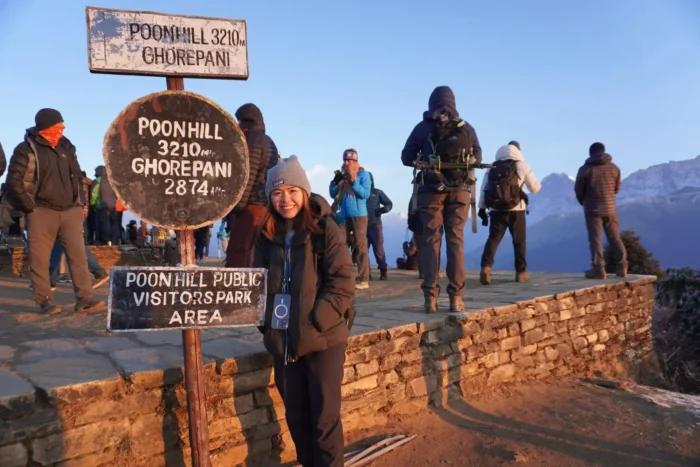
Although nights and early mornings can be quite cold — especially above 3,000 meters — the peacefulness of the season appeals strongly to those who prefer solitude and reflection alongside their adventure. After a night in a snug tea house and a bowl of hot dal bhat, stepping out into the cool mountain air with gently rising sun rays streaming over the peaks is an experience that lingers in the memory long after the trek ends.
Packing List for Winter:
-
- Clothing Layers: Thermal base layers, fleece or wool mid-layer, heavy insulated jacket
- Pants: Thermal leggings under trekking pants
- Footwear: Insulated trekking boots, extra warm socks, gaiters
- Accessories:Warm hat, gloves, scarf, sunglasses (sun glare on snow can be strong)
- Trekking Essentials: Poles for icy trails, headlamp (shorter daylight), water bottle (prevent freezing)
- Optional Comfort Items: Hot water bottle, hand warmers, camera
Monsoon: Lush Green, Limited Views (June–August)
Season Info:
- Average Temperature: 15°C – 25°C (59°F – 77°F) at lower elevations, 5°C – 15°C (41°F – 59°F) at higher elevations
- Weather: Frequent rainfall, humid, misty mornings
- Trail Conditions: Slippery and muddy
Things to Consider:
- Trails can be slippery and challenging
- Limited mountain visibility due to clouds
- Less crowded, quiet trails, and more intimate village experiences
- Flowers, ferns, and forests are at their peak green
Monsoon season brings its own character to the Ghorepani region — lush and vibrant, though at times soggy and mist-shrouded. Rainfall is frequent, especially in the afternoons and evenings, turning trails muddy and paths glossy under water. The vegetation becomes intensely green, and flowers and ferns flourish.
Visibility toward the Himalayas can be limited during the monsoon, with clouds often cloaking the distant peaks and sunrise views from Poon Hill more ethereal than clear. For travelers who cherish quiet trails and emerald landscapes over postcard views, the monsoon can still be rewarding — though it requires a flexible mindset and rain-ready gear.
Packing List for Monsoon:
- Clothing: Quick-dry shirts and trekking pants, lightweight fleece for mornings
- Rain Gear: Waterproof jacket and pants, rain cover for backpack
- Footwear: Trekking boots with a strong grip, extra socks to change wet ones
- Accessories: Hat with brim, sunscreen for sunny breaks, trekking poles for muddy slopes
- Extras: Plastic bags for waterproofing electronics, a microfiber towel, a reusable water bottle
Choosing the Best Time for Ghorepani Poon Hill Trek for You
No two treks are ever the same, and the “best time” ultimately depends on what kind of experience you seek. If clear summits and invigorating mountain air are your priority, autumn and spring are unmatched. If you yearn for stillness, starlit nights, and fewer fellow trekkers, winter offers a serene alternative. And if you love lush forests and quiet paths without concern for sweeping vistas, the monsoon months deliver a verdant dreamscape.
Across all seasons, the trail retains its welcoming rhythm — mountain villages, warm tea houses, and the smiles of Gurung and Magar communities greet you at every turn. Wherever your path begins, the Ghorepani Poon Hill Trek teaches that timing is not just about weather — it’s about the story you want to take home.
If you’re ready to plan your trek around the best season for your goals, explore our detailed Ghorepani Poon Hill trek itinerary and discover how each time of year shapes the journey.
FAQs for Ghorepani poon hill trek
Q1. What is the difficulty of the Ghorepani Poon Hill Trek?
A. The Ghorepani Poon Hill Trek is easy to moderate. It is suitable for beginners, families, and first-time trekkers. The trails are well-maintained, and no technical climbing is required. The main challenge is climbing stone steps, especially the ascent to Ulleri and Poon Hill.
Q2. What is the altitude of the Ghorepani Poon Hill Trek?
A. The highest point of the trek is Poon Hill, which lies at an altitude of 3,210 meters (10,531 feet) above sea level. Ghorepani village itself is at 2,874 meters.
Q3. How long is the Ghorepani Poon Hill Trek?
A. The trek usually takes 4 to 5 days, depending on the route and pace. The total walking distance is approximately 40–45 kilometers, starting and ending around Pokhara.
Q4. Which time is best for Ghorepani Poon Hill trekking?
A. The best time for the Ghorepani Poon Hill Trek is spring (March to May) and autumn (September to November). These seasons offer clear mountain views, stable weather, and comfortable temperatures.
Q5. How much does the Ghorepani Poon Hill Trek cost for Nepali citizens?
A. For Nepali trekkers, the cost is relatively low. On average, it costs around NPR 8,000 to 15,000, depending on transport, food, accommodation, and whether a guide is hired.
Q6. How much does it cost to trek in Nepal (in general)?
A. The cost of trekking in Nepal varies by trek and duration. On average:
Short treks: USD 300–600
Moderate treks: USD 700–1,200
High-altitude treks: USD 1,200–3,000+
Prices depend on permits, guides, porters, accommodation, and trekking region.
Q7. Which month is best for trekking in Ghorepani Poon Hill?
A. The best months are March, April, October, and November. These months provide the best sunrise views, blooming rhododendrons (in spring), and excellent visibility of the Annapurna and Dhaulagiri ranges.
Q8. Which trekking gear brands are recommended for the Ghorepani Poon Hill Trek (by season)?
A. Recommended international brands:
- The North Face
- Columbia
- Decathlon
- Salomon
- Merrell
Popular and affordable Nepali brands:
- Sherpa Adventure Gear
- Goldstar (trekking shoes)
- KTM CTY / Local trekking stores in Thamel & Pokhara
Season-wise gear tips:
- Spring & Autumn: Light down jacket, trekking shoes, fleece, rain jacket
- Winter (Dec–Feb): Warm down jacket, thermal layers, gloves, woolen cap
- Monsoon (Jun–Aug): Quick-dry clothes, rain jacket, waterproof shoes