-

Duration
01 Day -

Accomodation
Hotel, Guest House, Lodge -

Starts from
Kathmandu -
Ends at
Kathmandu -

Transportation
Bus, Car -

Max. Altitude
1400m -

Group size
2 - 21 pax -

Trip type
Himalayan Cultural Tours
Historical Places of Nepal
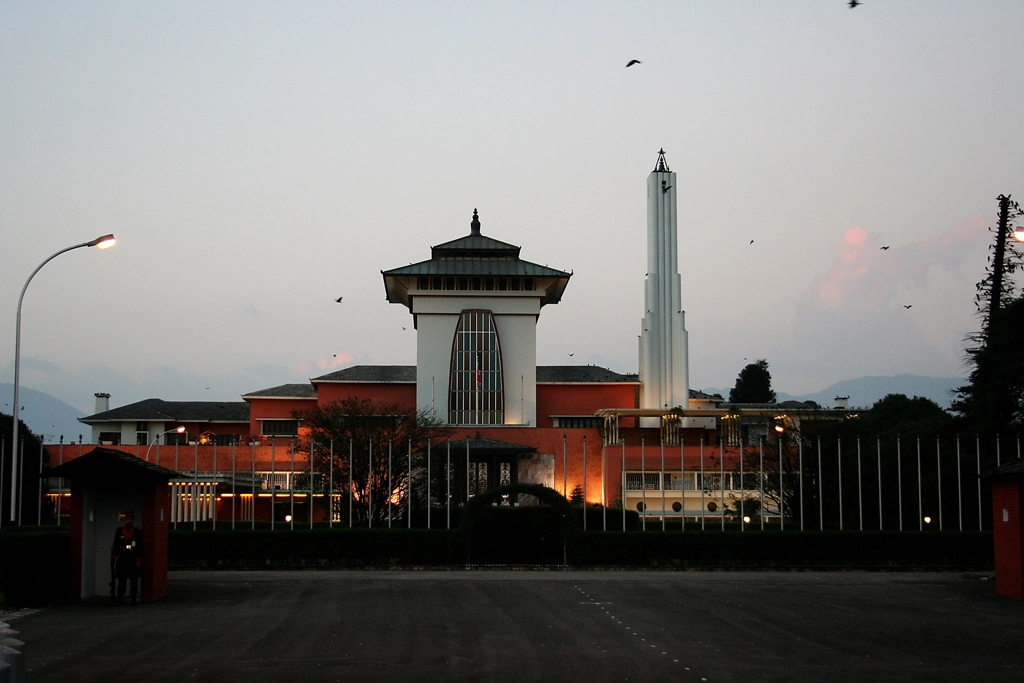
Visits to the historical places of Nepal give us an insight into ancient Nepalese art, culture, and architecture. We will visit many museums around the Kathmandu valley. It exhibits antiques, weapons, artifacts, and other ancient specimens that hold great historical importance for the Nepalese.
Those who love to view, learn, and explore the century-old master pieces, weapons, and wars, along with the interesting stories, then one day a tour of a museum in Nepal is the best option. You will go around Kathmandu, Patan, and Bhaktapur, which will certainly fulfill your desires.
Journey to Historical Places of Nepal, Kathmandu
We start our one-day tour to the historical places of Nepal, Kathmandu, by visiting the National Museum located within walking distance from the Swoyambhunath stupa. There is a huge collection of art, artifacts, and weapons used by the Gurkha army. It also includes the huge portraits of ancient Nepalese Kings and rulers.
Then, after we head towards the Museum of Natural History at the foothill of the Swoyambhunath stupa. There is a wide collection of butterflies, insects, and botanical plants.
Further, we will be visiting the Hanuman Dhoka Museum inside Kathmandu Durbar Square Palace. The Palace was home to Malla kings who ruled Kathmandu for many years.
The king’s procession and other important rituals were performed here in Hanuman Dhoka Palace. Next, we will be at the National Bronze Art Museum in Patan Durbar Square. There, you can find a fine collection of artworks crafted by local craftsmen. The hundreds of antiques exhibited here date back to the 15th century to date, with the majority showing the dual mix of Hindu and Buddhist culture.
Finally, we take a short drive to Bhaktapur and visit the National Woodworking Museum in Dattatreya Temple Square. Bhaktapur is famous for pottery and woodwork, which are still the major professions for locals.
Finally, after visiting all the major museums inside Kathmandu valley, we head back towards the hotel, and then our one-day tour at the museum in Nepal, Kathmandu, comes to an end.
Trip Highlights
- Ancient Nepalese art, culture and architecture.
- Weapons used by Gurkha Army.
- Malla Kings Palace.
Trip Detailed itinerary
-
Sightseeing and Visit to Museum
Day
01
Short Sightseeing of Syambhunath Stupa and visit to the National Museum, the most famous and significant museum of Nepal that lies a few kilometers walk down from swayambhunath stupa. Later visit to Tribhuvan Museum, located in the Hanuman Dhoka Palace. Visit to the Museum of Natural History, nearby the Swayambhunath Hill to find the display of Himalayan butterflies, snakes and plants. Later visit to The National Bronze Art Museum to explore fine art works that represents both Hindu and Buddhist religion and Buddhist religions, the art work ranges from Malla period to the later period.
Trip Price details
Price includes
- All transportation.
- Hotel pick-up and drop-off.
- Guide in your chosen language.
- All entrance fees.
Price excludes
- Nepal Visa Fees.
- Personal Travel insurance.
- Lunch, Beverage and expenses of personal nature.
- Personal expenses, such as maps, guidebooks.
- Any cost items not mentioned in cost includes clause.
Trip Information
Why Visit Historical Places in Nepal
Nepal is not just a land of breathtaking mountains; it is a treasure trove of history, culture, and art. Visiting the historical places of Nepal allows travelers to step back in time and explore the legacy of ancient kingdoms, royal dynasties, and traditional craftsmanship. From intricately carved palaces to centuries-old temples and museums, every site tells a story of Nepal’s rich past.
Exploring Nepalese heritage provides travelers with a deep understanding of the country’s unique cultural identity. You can witness how Hinduism and Buddhism have shaped art, architecture, and daily life for centuries.
Tourists gain insights into ancient Nepalese architecture, traditional rituals, and historical lifestyles, which are preserved in palaces, durbar squares, and museums across Kathmandu, Patan, and Bhaktapur.
The benefits of visiting historical places in Nepal extend beyond sightseeing. Cultural exposure allows travelers to appreciate the nuances of Nepalese art, participate in photography opportunities with stunning architectural backdrops, and learn the fascinating history of the region. Whether you are a history enthusiast, a student of art, or a curious traveler, a day spent exploring Nepal’s historical treasures enriches your mind and leaves lasting memories.
What Makes Nepalese Museums Unique
Nepalese museums are more than just collections of artifacts; they are living chronicles of the country’s art, culture, and history. What sets these museums apart is the blend of cultural richness and historical significance. Each artifact, whether it is a bronze statue, a wooden carving, or a royal weapon, narrates a story about Nepal’s past, connecting visitors to centuries of tradition and craftsmanship.
One of the unique aspects of Nepalese museums is the storytelling through artifacts. As you walk through the galleries, you can trace the evolution of Nepalese art, the reigns of ancient kings, and the societal influences that shaped the country’s culture. Museums like Hanuman Dhoka Museum and National Bronze Art Museum present these stories in ways that are both informative and engaging.
Additionally, many museums in Nepal offer interactive exhibits and cultural immersion experiences. Visitors can observe traditional crafting techniques, see ancient weapons used by the Gurkha army, and explore botanical and natural history collections. This combination of education and interaction makes Nepalese museums not only places of learning but also spaces for inspiration and cultural appreciation.
Practical Tips for Tourists
Visiting Nepal’s historical places and museums is an enriching experience, but a little preparation can make your trip smoother and more enjoyable. Here are some practical tips:
Best Time to Visit Museums: The ideal months are October to December and March to May, when the weather is clear and comfortable for walking tours across Kathmandu, Patan, and Bhaktapur.
How to Plan a One-Day Museum Tour: Start early in Kathmandu, visiting the National Museum and Museum of Natural History near Swoyambhunath. Then move to Kathmandu Durbar Square for Hanuman Dhoka Museum. Later, drive to Patan Durbar Square for the Bronze Art Museum and finish your tour in Bhaktapur at the Woodworking Museum.
Entry Fees, Timings, and Accessibility: Most museums charge a small entry fee, and some offer discounts for students and seniors. Timings are usually from 10:00 AM to 5:00 PM, but it’s best to confirm in advance. Accessibility may vary; some historical sites involve walking on uneven terrain, so wear comfortable shoes.
Local Guides and Tour Options: Hiring a knowledgeable guide can enhance your experience by explaining historical context, art details, and cultural significance. Euro Asia Treks offers curated one-day tours that cover all major museums efficiently, making it hassle-free for visitors.
Why Choose Euro Asia Treks for Your Historical Tour
Choosing the right tour operator is essential for an immersive and stress-free experience. Euro Asia Treks specializes in providing expertly guided historical tours across Kathmandu Valley, ensuring travelers experience the full richness of Nepalese heritage.
Our experienced guides are well-versed in history, art, and culture, offering deep insights and fascinating stories behind each museum and palace. With curated itineraries, we ensure you visit the key historical sites without feeling rushed, giving ample time for photography and exploration.
Traveling with Euro Asia Treks means hassle-free transport within the valley, so you can focus on enjoying the sights instead of worrying about directions or logistics. Our tours also prioritize cultural learning and immersive experiences, allowing visitors to engage with local artisans, observe traditional craftsmanship, and gain a deeper understanding of Nepalese culture.
Join our one-day tour at the museum in Nepal with Euro Asia Treks and get the blended feeling of adventure, peace, and tranquility, which will be stamped in your memory for years to come.
Trip Reviews





Visit to Historical Places of Nepal – 01 Day
Related trips
Other similar you may be interested in
Duration: 8 Days / 7 Nights Days
Max altitude: 3,880 m (Everest View Hotel)
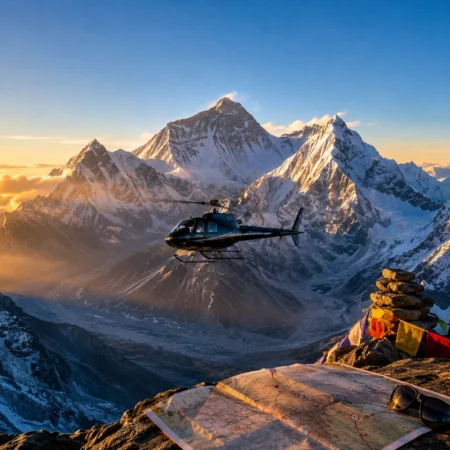
Adventure Tour with Everest Helicopter | 8-Day Luxury Nepal Tour
Duration: 6 Days
Max altitude: 2,100m (Nagarkot)
Price starts from: USD 485