-

Duration
21 Days -

Accomodation
Hotel, Guest House -

Starts from
Kathmandu -
Ends at
Kathmandu -

Transportation
Plane, Bus, Van -

Max. Altitude
5200m -

Trip type
Tours in Nepal

Trip Grade
EasyA Nepal Tibet Tour combines Nepal’s historic cities, Himalayan landscapes, and wildlife with Tibet’s monasteries and high-altitude culture. This 21-day journey starts in Kathmandu before exploring Patan, Bhaktapur, Dhulikhel, Namo Buddha, and Panauti. You then fly from Kathmandu to Lhasa, where the Tibet section begins at approximately 3,650 metres.
The overland route continues through Gyantse, Shigatse, Shegar, and Gyirong before crossing back into Nepal. After Tibet, the journey continues through Bandipur, Pokhara, and Chitwan before returning to Kathmandu.
This itinerary suits travelers wanting cultural sightseeing, varied landscapes, wildlife experiences, and an extended overland journey. Tibet travel requires advance permits and organized arrangements for foreign travelers. Entry requirements should be reconfirmed before every departure.
Nepal Tibet Tour at a Glance
This 21-day journey combines Nepal sightseeing with a Kathmandu–Lhasa flight and an overland return through Gyirong.
|
Feature |
Details |
|---|---|
| Duration | 21 days |
| Starting point | Kathmandu, Nepal |
| Ending point | Kathmandu, Nepal |
| Nepal destinations | Kathmandu, Patan, Bhaktapur, Dhulikhel, Panauti, Bandipur, Pokhara, and Chitwan |
| Tibet destinations | Lhasa, Gyantse, Shigatse, Shegar, and Gyirong |
| Tibet entry | Scheduled flight from Kathmandu to Lhasa |
| Return to Nepal | Overland through Gyirong |
| Tour type | Cultural sightseeing, scenic road travel, and wildlife experiences |
| Highest overnight point | Shegar, approximately 4,300 metres |
| Lhasa elevation | Approximately 3,650 metres |
| Best seasons | Spring and autumn generally offer the most balanced conditions |
| Tibet permits | Advance permits and organized travel arrangements apply to foreign travelers |
| Accommodation | Hotels according to the confirmed itinerary |
| Main experiences | Heritage sites, Tibetan culture, Himalayan landscapes, Pokhara, and Chitwan |
Important Travel Note
Flying from Kathmandu to Lhasa raises the sleeping elevation from approximately 1,400 metres to 3,650 metres. The first days in Lhasa therefore follow a comfortable sightseeing pace to support gradual adjustment. Shegar is the highest overnight stop at approximately 4,300 metres, although some road sections may reach higher elevations.
Tibet permits and entry procedures depend on the approved itinerary, nationality, and current regulations. Flight schedules, border access, permits, and road conditions should be reconfirmed before departure.
What Is a Nepal Tibet Tour?
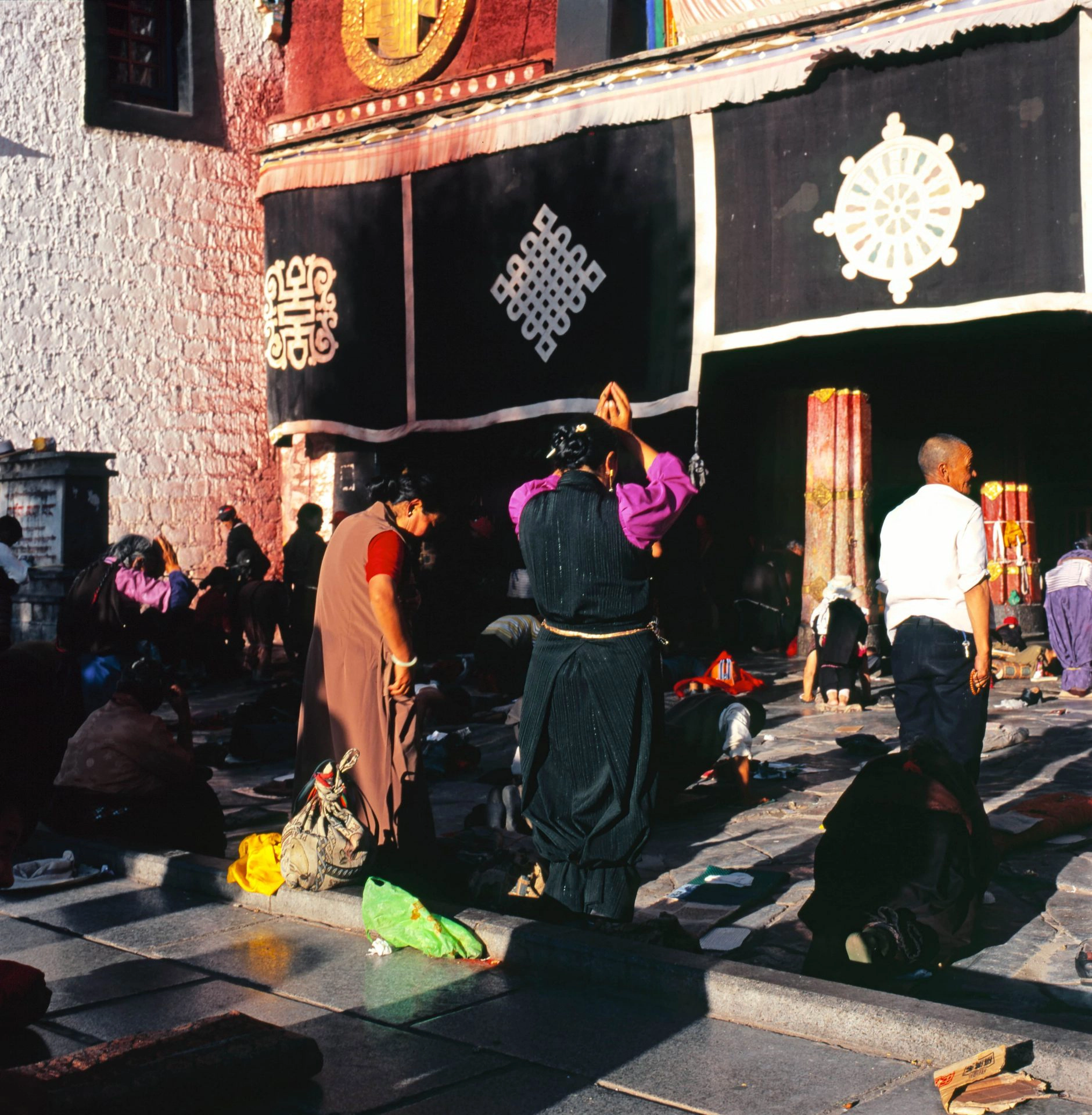
A Nepal Tibet Tour combines sightseeing in Nepal with an organized journey through Tibet during the same trip. This itinerary includes cultural sites, Himalayan landscapes, high-altitude road travel, and wildlife experiences.
This 21-day journey enters Tibet on a Kathmandu–Lhasa flight and returns to Nepal overland through Gyirong. The trip continues through Bandipur, Pokhara, and Chitwan before ending in Kathmandu.
The tour focuses on cultural sightseeing and road travel rather than trekking. Travelers should still expect regular walking at heritage sites and several longer driving days.
Foreign travelers cannot visit Tibet using the same independent travel arrangements available in Nepal. Required permits and Tibet-side travel services must be organized before departure.
Why Combine Nepal and Tibet in One Tour?
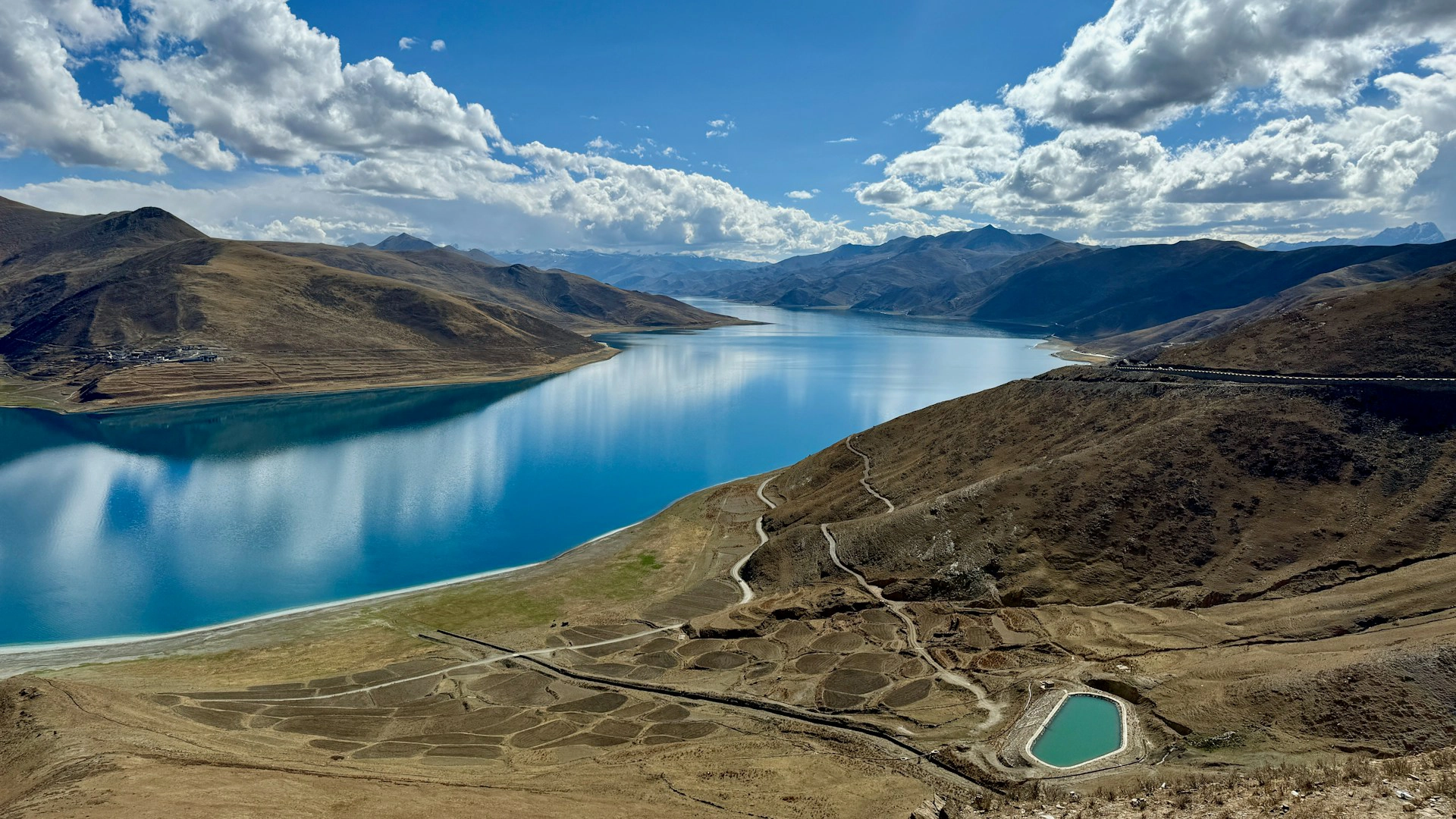
Nepal and Tibet share strong Himalayan connections, but their landscapes, cultures, and travel experiences differ considerably. Visiting both provides a broader understanding of the Himalayan region.
Nepal combines historic Kathmandu Valley cities, green middle hills, Pokhara, and Chitwan’s subtropical lowlands. Tibet introduces higher, drier landscapes across the Tibetan Plateau and important Tibetan Buddhist sites.
Buddhism connects many communities across both regions, although religious traditions, architecture, and daily practices remain distinct. Namo Buddha provides useful context before travelers continue to Tibet.
This itinerary also goes beyond Kathmandu and Lhasa. Bandipur, Pokhara, and Chitwan add hill-town, mountain, and wildlife experiences after the Tibet journey.
Trip Highlights
- Explore Kathmandu, Patan, Bhaktapur, Dhulikhel, Namo Buddha, and Panauti.
- Fly from Kathmandu to Lhasa and begin the Tibet journey at approximately 3,650 metres.
- Discover Lhasa’s important Tibetan Buddhist sites, including Jokhang Temple and Sera Monastery.
- Travel overland through Gyantse, Shigatse, Shegar, and Gyirong across the Tibetan Plateau.
- Experience changing Himalayan landscapes while descending from Tibet into Nepal through the Gyirong border.
- Visit Bandipur and Pokhara after completing the Tibet section.
- Enjoy wildlife and cultural activities during a two-night stay in Chitwan.
- Experience Nepal and Tibet cultures, landscapes, heritage sites, and wildlife within one 21-day journey.
Trip Detailed itinerary
-
Arrival
Day
01
Arrive at Tribhuvan International Airport, where our representative will meet you after immigration and baggage collection.
Transfer to your Kathmandu hotel and rest after your international journey.
Your trip briefing covers the itinerary, transportation, Tibet travel arrangements, and important documents required during the journey.
Overnight: Kathmandu
-
Kathmandu Sightseeing
Day
02
Visit important Kathmandu heritage sites such as Swayambhunath, Boudhanath, and Pashupatinath, according to the confirmed sightseeing program.
Your guide explains each site’s history, religious importance, architecture, and living traditions.
You also receive guidance about local customs, respectful behavior, and photography rules at active religious sites.
Overnight: Kathmandu
-
Patan Sightseeing
Day
03
Explore Patan, one of Kathmandu Valley’s historic cities and an important center of traditional Newari art and culture.
Walk through historic areas containing temples, courtyards, traditional architecture, and craftsmanship shaped by generations of local artisans.
Your guide provides cultural context while explaining how religious traditions, architecture, and community life remain connected within the old city.
Overnight: Kathmandu
-
Kathmandu to Dhulikhel via Bhaktapur
Day
04
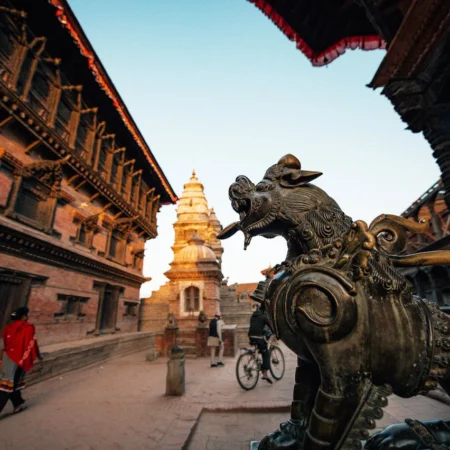
Leave Kathmandu for Dhulikhel, stopping in Bhaktapur to explore its historic squares, temples, courtyards, and traditional Newari architecture.
Your guide provides context about Bhaktapur’s cultural heritage and the traditions still connected with its historic neighborhoods.
Continue to Dhulikhel after sightseeing and check into your accommodation. Travel time can vary with traffic and road conditions around Kathmandu Valley.
Overnight: Dhulikhel
-
Namo Buddha and Panauti, Return to Kathmandu
Day
05
Travel to Namo Buddha, an important Buddhist pilgrimage site southeast of Kathmandu with strong connections to Tibetan Buddhist traditions.
Continue to Panauti, a historic Newari settlement known for traditional architecture, temples, and long-established religious traditions.
Return to Kathmandu after sightseeing and prepare for tomorrow’s flight to Lhasa. Keep your passport and Tibet travel documents easily accessible.
Overnight: Kathmandu
-
Fly From Kathmandu to Lhasa
Day
06
Transfer to Tribhuvan International Airport for your scheduled flight from Kathmandu to Lhasa. The journey raises your elevation from approximately 1,400 metres in Kathmandu to around 3,650 metres in Lhasa.
After arrival, transfer to your hotel and keep the rest of the day relaxed. Avoid unnecessary strenuous activity during your first day.
Walk slowly, rest when needed, and tell your guide if you develop concerning symptoms after reaching Lhasa.
Overnight: Lhasa
-
Lhasa Sightseeing
Day
07
Begin your first full day in Lhasa with a comfortable sightseeing pace while continuing to adjust to the higher elevation.
Explore the historic Barkhor area surrounding Jokhang Temple, where Tibetan Buddhist pilgrims continue important religious traditions. Your guide explains local customs, pilgrimage practices, and respectful behavior around active religious sites.
Walk comfortably and take regular breaks during sightseeing, especially during your first full day at approximately 3,650 metres.
Overnight: Lhasa
-
Lhasa Sightseeing and Sera Monastery
Day
08
Continue exploring Lhasa’s cultural and religious heritage during your second full day in the city.
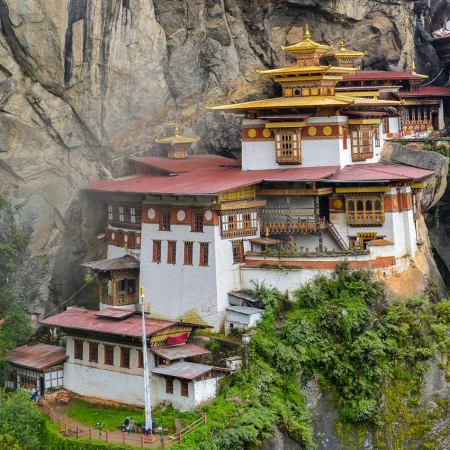
Visit Sera Monastery, one of Lhasa’s important Tibetan Buddhist monastic institutions and a historic center of religious learning.
Your guide explains the monastery’s history, architecture, religious traditions, and role within Tibetan Buddhist monastic life. Maintain a comfortable sightseeing pace as your body continues adjusting to Lhasa’s elevation.
Overnight: Lhasa
-
Lhasa to Gyantse
Day
09
Leave Lhasa and begin the overland journey toward Gyantse across the high-altitude Tibetan Plateau.
Approximate driving distance: 260 km, usually requiring around 5–6 hours before longer sightseeing stops and possible delays.
Gyantse sits at approximately 3,950 metres, slightly higher than Lhasa. Maintain a comfortable pace after arrival. Sightseeing stops follow the approved Tibet itinerary and should be confirmed before departure. Weather, checkpoints, and road conditions can affect travel time.
Overnight: Gyantse
-
Gyantse to Shigatse
Day
10
Continue overland from Gyantse to Shigatse, one of Tibet’s important cultural and religious centers. Approximate driving distance: 95 km, usually requiring around two hours without extended sightseeing stops.
Sightseeing stops follow the approved Tibet itinerary and should be confirmed before departure.
This driving stage is shorter than later Tibet sections, allowing more time for sightseeing and rest in Shigatse.
Overnight: Shigatse
-
Shigatse to Shegar
Day
11
Leave Shigatse and travel toward Shegar as the route reaches higher elevations across the Tibetan Plateau. Approximate driving distance: 240–280 km, usually requiring around 5–7 hours depending on the confirmed route and stops.
The journey involves a longer driving day through sparsely populated areas. Weather, checkpoints, and road conditions can influence travel time.
Shegar sits at approximately 4,300 metres, the highest overnight point on this 21-day itinerary. Keep warm layers, water, medication, and sun protection accessible during the drive.
Overnight: Shegar
-
Shegar to Gyirong
Day
12
Leave Shegar and travel toward Gyirong as the journey approaches the Tibet–Nepal border. Approximate driving distance: 320–330 km, usually requiring around 8–9 hours depending on road conditions and scheduled stops.
The route descends from approximately 4,300 metres at Shegar to around 2,800 metres at Gyirong. The lower elevation brings noticeable changes in the landscape and generally feels different from Tibet’s higher plateau.
Keep your passport and required travel documents accessible during the journey. Your guide will explain the border procedures and document requirements for the following day.
Overnight: Gyirong
-
Gyirong to Bandipur via the Nepal Border
Day
13
Leave Gyirong and travel toward the Tibet–Nepal border for departure and entry formalities. Transportation normally changes at the border because Tibet-side and Nepal-side vehicles operate separately.
After immigration, meet your Nepal-side vehicle and continue toward Bandipur. Allow most of the day for the border crossing and onward journey to Bandipur. Border procedures, traffic, and road conditions can make this one of the longer travel days.
Keep your passport, permits, medication, valuables, and essential belongings accessible during the crossing.
Overnight: Bandipur
-
Bandipur to Pokhara
Day
14
Spend the morning exploring Bandipur before continuing by road toward Pokhara. Approximate driving distance: 75 km, usually requiring around three hours depending on traffic, road conditions, and stops.
Bandipur is known for traditional architecture, pedestrian streets, and its hill-town setting within Nepal’s middle hills.
Continue to Pokhara and check into your hotel. Mountain views during the journey depend on weather and visibility. After arrival, use the remaining time for rest or independent exploration in Pokhara.
Overnight: Pokhara
-
Pokhara Sightseeing
Day
15
Spend the day exploring Pokhara through the sightseeing stops listed in your confirmed program.
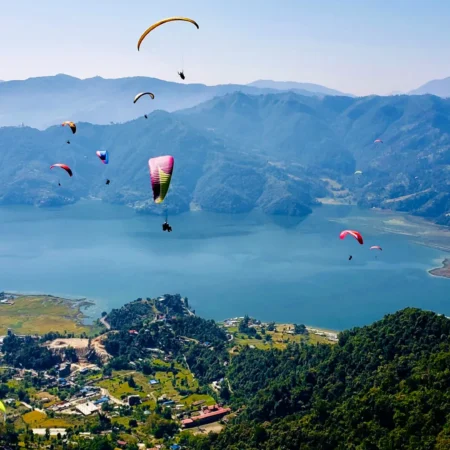
Pokhara is known for Phewa Lake and views toward the Annapurna region when weather conditions are clear.
The slower schedule provides time to rest after the Tibet journey before continuing toward Chitwan.
Overnight: Pokhara
-
Pokhara to Chitwan
Day
16
Leave Pokhara and travel south toward Chitwan, moving from Nepal’s middle hills into the warmer subtropical lowlands. Approximate driving distance: 135–160 km, usually requiring around 4–6 hours depending on traffic, road conditions, and hotel location.
The changing elevation brings noticeably different landscapes, vegetation, and temperatures compared with Pokhara and the earlier Tibet journey.
Travel time can vary because of traffic, roadworks, weather, and highway conditions along the route. After arriving in Chitwan, check into your accommodation and follow the activities included in your confirmed program.
Overnight: Chitwan
-
Chitwan Wildlife and Cultural Activities
Day
17
Spend the day following the wildlife and cultural activities listed in your confirmed Chitwan program.
A local naturalist explains the area’s wildlife, vegetation, habitats, and conservation work during scheduled activities.
The exact program may change because of weather, seasonal conditions, and park regulations. Wildlife sightings cannot be guaranteed because animals move freely within their natural habitat.
Overnight: Chitwan
-
Chitwan Wildlife Activities
Day
18
Continue with the wildlife and nature activities listed in your confirmed Chitwan program.
A second full day allows more time for activities without making the schedule feel rushed.
Follow your naturalist’s instructions and maintain appropriate distances from wildlife during each activity. The schedule may change because of weather, local conditions, and park regulations.
Overnight: Chitwan
-
Chitwan to Kathmandu
Day
19
Leave Chitwan and travel overland to Kathmandu after completing your Chitwan stay.
Approximate driving distance: 150–175 km, usually requiring around 5–7 hours depending on traffic, weather, and road conditions.
Road construction and highway conditions can also affect the journey. After reaching Kathmandu, check into your hotel and enjoy the remaining time at leisure.
Overnight: Kathmandu
-
Free Day in Kathmandu
Day
20
Enjoy a free day in Kathmandu after completing the main Nepal and Tibet journey.
Use the day to rest, shop, explore independently, or choose an optional activity based on your interests.
The free day also gives you time to prepare for your international departure.
Overnight: Kathmandu
-
Departure From Kathmandu
Day
21
Transfer to Tribhuvan International Airport according to your confirmed international flight schedule.
Your 21-day Nepal Tibet Tour ends when you depart from Kathmandu.
Trip Price details
Price includes
- Hotel accommodation according to the confirmed itinerary and selected category.
- Airport arrival and departure transfers in Nepal.
- Road transportation according to the Nepal itinerary.
- Transportation throughout Tibet according to the approved route.
- Nepal sightseeing services with an experienced local guide.
- Local guide services throughout the Tibet section.
- Required Tibet travel permits according to the approved itinerary.
- Sightseeing activities listed in the confirmed program.
- Entrance fees specifically mentioned in the final quotation.
- Meals according to the confirmed meal plan.
- Chitwan wildlife and cultural activities included in the confirmed program.
- Border transfer arrangements between Tibet-side and Nepal-side transportation.
- Kathmandu to Lhasa flight, when specifically included in the final quotation.
- Government taxes and service charges included within the confirmed package.
Price excludes
- International flights not specifically mentioned in the confirmed package.
- Chinese visa, group visa, or other applicable entry charges unless stated otherwise.
- Travel and medical insurance.
- Emergency evacuation and medical treatment expenses.
- Meals and drinks not included in the confirmed meal plan.
- Personal expenses, including laundry, telephone calls, and shopping.
- Optional activities not listed in the confirmed itinerary.
- Tips and gratuities for guides, drivers, naturalists, and support staff.
- Excess baggage charges on flights.
- Room upgrades and single-room supplements unless specifically included.
- Additional costs caused by personal itinerary changes.
- Expenses caused by weather, road closures, border disruptions, or other circumstances beyond normal arrangements.
Trip Information
The Nepal Tibet Tour route begins with cultural sightseeing around Kathmandu Valley before travelers fly from Kathmandu to Lhasa.
Route: Kathmandu → Lhasa → Gyantse → Shigatse → Shegar → Gyirong → Bandipur → Pokhara → Chitwan → Kathmandu
The Tibet section travels overland from Lhasa through Gyantse, Shigatse, Shegar, and Gyirong. Travelers then cross the international border and continue by Nepal-side transportation.
After Tibet, the journey continues through Bandipur, Pokhara, and Chitwan before returning to Kathmandu. This route combines air travel, overland sightseeing, and cross-border transportation.
Nepal Tibet Tour Route and Elevation Guide
The journey crosses major elevation zones between Kathmandu, the Tibetan Plateau, Nepal’s middle hills, and Chitwan.
Nepal Tibet Tour Elevation Table
| Destination | Approximate Elevation |
| Kathmandu | 1,400 m |
| Lhasa | 3,650 m |
| Gyantse | 3,950 m |
| Shigatse | 3,840 m |
| Shegar | 4,300 m |
| Gyirong | 2,800 m |
| Bandipur | 1,030 m |
| Pokhara | 820 m |
| Chitwan | 150–200 m |
These elevations are approximate because measurements and hotel locations can differ slightly.
Shegar is the highest overnight destination at approximately 4,300 metres. Some road sections across Tibet may reach higher elevations.
Flying From Kathmandu to Lhasa
The direct flight is estimated at around one hour and 20 minutes, depending on the confirmed schedule. Flight schedules and operating days can change, so arrangements should be reconfirmed before departure.
Himalayan views may be visible in clear weather, although clouds, seat position, and flight conditions affect visibility.
After landing in Lhasa at around 3,650 metres, keep the rest of the day relaxed. Detailed altitude guidance appears later in this guide.
Tibet to Nepal Overland Route via Gyirong
After Lhasa, the journey continues through Gyantse, Shigatse, Shegar, and Gyirong before returning to Nepal.
This section includes longer driving days, higher elevations, cultural stops, and changing Tibetan Plateau landscapes. Road conditions, checkpoints, weather, and scheduled stops can affect daily travel times.
Lhasa to Gyirong
Travelers stay overnight in Gyantse, Shigatse, Shegar, and Gyirong before reaching the Nepal border.
Driving days become longer as the route reaches more remote areas. Weather, checkpoints, and road conditions may affect the schedule.
Crossing From Tibet to Nepal at Gyirong
Gyirong is the planned border route for this itinerary’s overland return from Tibet to Nepal. Border access and passenger clearance are reconfirmed before departure because operational conditions can change.
Vehicles normally change at the border because Tibet-side and Nepal-side transportation operate separately. After immigration, travelers meet their Nepal-side vehicle and continue toward Bandipur.
What to Expect on Border Day
Border day usually requires more flexibility than a standard sightseeing day. Immigration procedures, traffic, road conditions, and operational changes can affect the schedule.
Keep your passport, permits, essential medication, and valuables easily accessible during immigration and vehicle changes. The onward journey to Bandipur can make this one of the longer travel days.
Road Conditions and Seasonal Disruptions
Road conditions between Tibet and Nepal can change because of weather, construction, landslides, and infrastructure issues. Nepal’s monsoon can increase landslide risks and road delays, especially between June and September.
Border access may also change because of operational restrictions, road damage, or infrastructure problems. Euro Asia Treks reconfirms the planned border crossing and connecting road conditions before departure.
Why the Overland Return Matters
Returning overland lets travelers experience the geographic change between the Tibetan Plateau and Nepal.
The journey gradually descends from Tibet’s higher elevations toward the lower landscapes of Nepal.
The route also connects directly with Bandipur, Pokhara, and Chitwan without returning to Kathmandu first.
Tibet Visa and Travel Permit Requirements From Nepal
Foreign travelers need advance travel arrangements and applicable permits before entering Tibet from Nepal.
Requirements can vary by nationality, entry route, approved itinerary, and current Chinese regulations.
Tibet Travel Permit
Foreign travelers require a Tibet Travel Permit for travel within the Tibet Autonomous Region. The permit must be arranged before travel through the authorized Tibet-side operator handling the confirmed itinerary.
Passport details must match the information submitted during permit processing. Travelers cannot arrive in Lhasa and arrange the required Tibet Travel Permit independently.
Entering Tibet From Nepal
Travelers entering Tibet from Nepal must also meet the Chinese entry requirements applying to their nationality. Visa procedures and exemptions can change according to Chinese regulations.
Euro Asia Treks checks the applicable documentation before confirming each traveler’s Tibet arrangements.
Do You Need a Chinese Group Visa From Nepal?
The required Chinese entry procedure can vary according to your nationality and current regulations. Travelers should not assume that every passport holder follows the same visa procedure when entering Tibet from Nepal.
Euro Asia Treks checks the applicable entry requirements for each traveler before confirming the Tibet arrangements.
Additional Tibet Travel Permits
A Tibet Travel Permit may not cover every destination included within a wider Tibet itinerary. Additional permissions can apply to certain controlled areas, depending on the approved route and destinations.
Required permissions are arranged through the authorized Tibet-side operator before travelers enter the affected areas.
Documents Travelers Should Prepare
Travelers should provide clear passport copies and any documents requested for the confirmed permit and entry process. Names, passport numbers, and personal details must exactly match the documents submitted for permit processing.
Changing your passport after processing begins may require updated documents or a new permit application.
How Early Should Tibet Permits Be Arranged?
Tibet permit arrangements should begin well before departure, not during the final days before travel.
Processing times can vary by nationality, itinerary, required permits, and current regulations. Euro Asia Treks provides the required document deadline when confirming each booking.
Important Booking Advice
Confirm Tibet entry requirements before purchasing inflexible flights or making other non-refundable travel arrangements. Visa policies, permit procedures, and entry requirements can change, so older online information may no longer be accurate.
Always reconfirm the requirements for your nationality and departure date before finalizing travel arrangements.
Altitude and Acclimatization on a Nepal Tibet Tour
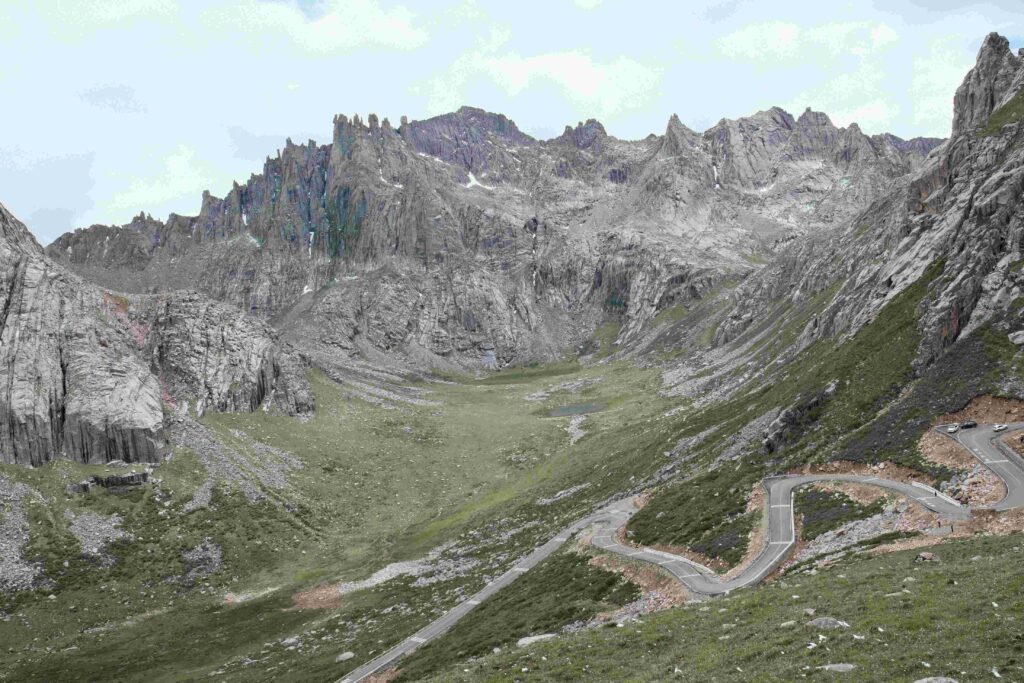
Flying from Kathmandu to Lhasa creates a rapid elevation gain during this itinerary. Kathmandu sits around 1,400 metres, while Lhasa is approximately 3,650 metres.
This rapid ascent gives travelers less time to adjust gradually before reaching higher elevations.
| Destination | Approximate Elevation |
| Kathmandu | 1,400 m |
| Lhasa | 3,650 m |
| Gyantse | 3,950 m |
| Shigatse | 3,840 m |
| Shegar | 4,300 m |
| Gyirong | 2,800 m |
These figures represent approximate overnight elevations. Some road sections across Tibet may reach higher elevations.
Adjusting After Arrival in Lhasa
Keep your arrival day relaxed after flying from Kathmandu to Lhasa. Walk slowly and avoid unnecessary strenuous activity during your first day.
Keep the following sightseeing days comfortable, with enough time for rest and gradual adjustment. Good physical fitness can improve travel comfort, but it does not prevent altitude problems.
Watch How You Feel
Headache, dizziness, unusual fatigue, nausea, and disturbed sleep can occur after reaching higher elevations. Tell your guide about concerning or worsening symptoms instead of continuing only to maintain the itinerary.
Worsening symptoms may require stopping further ascent. Serious symptoms can require medical assessment and descent to a lower elevation.
Before Traveling to Tibet
Travelers with medical concerns should review high-altitude guidance and consult a qualified healthcare professional before departure.
Travel insurance should cover the planned elevations, medical treatment, trip disruption, and emergency evacuation where applicable. Bring enough prescription medication for the complete journey, including a small extra supply if appropriate.
Flexibility Matters at Altitude
Every traveler responds differently to altitude, so the planned itinerary should never take priority over health.
Weather, road conditions, or altitude response may require changes to the planned schedule. After Shegar, the route descends considerably toward Gyirong.
Best Time for a Nepal Tibet Tour
Spring and autumn generally offer the most balanced conditions for a Nepal Tibet Tour. However, each season brings different advantages and limitations.
This journey crosses several climate zones, from the Tibetan Plateau to Nepal’s subtropical lowlands. Conditions can differ considerably between Lhasa, Pokhara, and Chitwan.
Spring: March to May
Spring generally brings comfortable sightseeing conditions across much of Nepal and Tibet. Nepal becomes warmer, while higher Tibetan destinations remain cooler. The season works well for Kathmandu, Pokhara, Chitwan, and the Tibet overland journey. Warm layers remain necessary at higher elevations.
Chitwan becomes increasingly hot toward May. Travelers sensitive to heat may prefer March or April for the Nepal lowland section.
Summer and Monsoon: June to September
Nepal receives significant monsoon rainfall during summer, with Pokhara experiencing particularly wet conditions. Heavy rain can cause landslides, road damage, and slower highway journeys. These conditions can affect travel after returning from Tibet.
Tibet is generally drier than Nepal during this period, but weather can still affect road travel and border arrangements. Summer travelers should allow greater flexibility for the Gyirong crossing and road journeys through Nepal.
Autumn: September to November
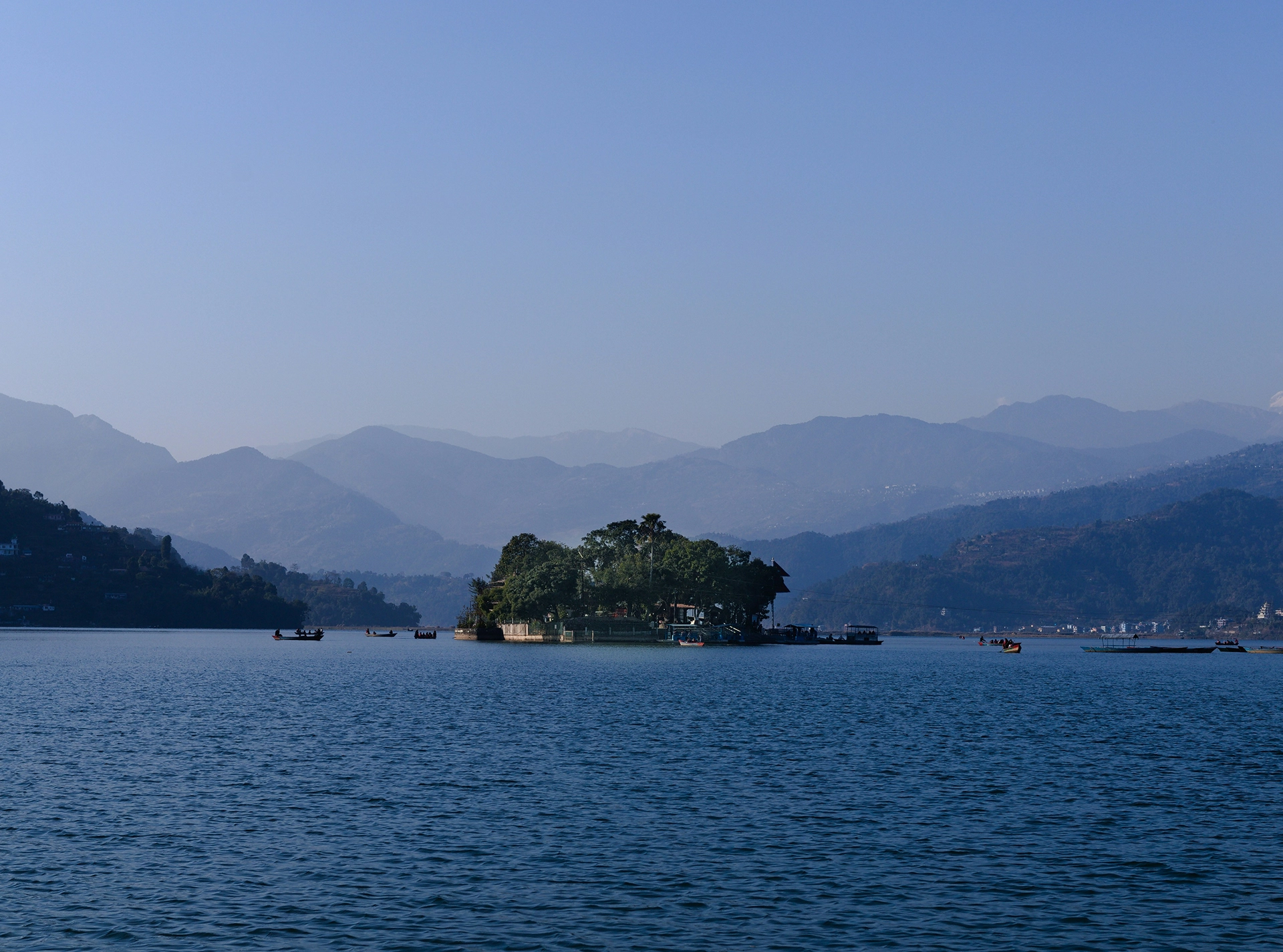
Autumn generally brings drier conditions to Nepal after the monsoon. Clearer skies become more common during October and November. Pokhara often has improved Himalayan visibility during this period. Tibet also generally experiences cooler and clearer autumn conditions.
October and November can bring stronger demand for hotels, flights, guides, and vehicles. Booking earlier provides more choice during popular dates.
Winter: December to February
Winter brings colder conditions across Tibet, particularly during mornings, evenings, and higher road sections. Kathmandu and Pokhara remain considerably milder than the Tibetan Plateau. Chitwan also has relatively mild winter conditions.
Tibet access and individual road sections require careful checking during winter. Travelers should prepare for cold conditions and possible seasonal limitations.
Which Season Should You Choose?
- Spring suits travelers wanting generally moderate conditions across Nepal and Tibet.
- Autumn suits travelers prioritizing clearer skies and generally favorable sightseeing conditions.
- Summer suits flexible travelers prepared for Nepal’s monsoon and possible road disruptions.
- Winter suits travelers comfortable with colder Tibetan conditions and possible seasonal limitations.
No season guarantees clear mountain views, dry roads, wildlife sightings, or uninterrupted transportation.
Nepal Tibet Tour Cost
The Nepal Tibet Tour cost depends on group size, accommodation, flights, permits, transportation, and included services.
Euro Asia Treks provides the final price according to travel dates, group size, hotel category, and confirmed services.
What Affects the Tour Cost?
-
Group Size
Group size affects transportation, guide services, and other shared operating costs. Private departures may have a higher per-person cost than larger groups using shared services.
-
Accommodation
Accommodation standards vary between Nepal and Tibet, depending on the confirmed hotel category and destination. Kathmandu and Pokhara usually offer wider hotel choices than smaller destinations along the Tibet route.
In more remote stops, choices may be limited, so travelers should review their confirmed accommodation before departure. Single rooms, room upgrades, and higher hotel categories can increase the final package cost.
-
Kathmandu to Lhasa Flight
The Kathmandu–Lhasa flight forms an important part of the overall tour cost. Airfares can change according to travel dates, availability, airline schedules, and booking time.
Your final quotation should clearly state whether the Kathmandu–Lhasa flight and applicable taxes are included.
-
Tibet Permits and Local Services
The Tibet section requires advance arrangements for permits, local guides, transportation, and other confirmed services. Additional permissions may apply to certain areas according to the approved route. These arrangements contribute to the overall cost of the Tibet section.
-
Transportation in Nepal
The itinerary includes several road journeys within Nepal. Vehicle type and transportation costs depend on group size and the arrangements confirmed for your departure.
-
Sightseeing and Entrance Fees
Heritage sites, monasteries, national parks, and other attractions may charge entrance fees. Your quotation should clearly identify which sightseeing and entrance fees are included.
-
Additional Expenses
Budget separately for services excluded from your confirmed package. These may include personal meals, drinks, tips, optional activities, insurance, personal purchases, and applicable visa charges.
Get an Accurate Tour Price
The most useful price is based on your actual travel requirements rather than a general online estimate.
Euro Asia Treks provides a written quotation showing the package price, inclusions, exclusions, and applicable supplements.
What Does the Nepal Tibet Tour Package Include?
The exact Nepal Tibet Tour package inclusions depend on the final quotation and confirmed travel arrangements.
Travelers should review the included and excluded services carefully before confirming their booking.
Typical Package Inclusions
| Feature | Details |
| Accommodation | Hotels according to the confirmed itinerary and category |
| Nepal transportation | Road transportation according to the itinerary |
| Tibet transportation | Transportation according to the approved Tibet route |
| Nepal guide | Guiding services according to the confirmed sightseeing program |
| Tibet guide | Local guiding services required for the Tibet journey |
| Tibet permits | Required permits according to the approved route |
| Sightseeing | Activities and visits listed in the confirmed itinerary |
| Entrance fees | As specified in the final quotation |
| Meals | According to the confirmed meal plan |
| Airport transfers | Transfers included within the confirmed itinerary |
| Chitwan activities | Wildlife and cultural activities listed in the confirmed program |
Is the Kathmandu to Lhasa Flight Included?
The Kathmandu–Lhasa flight should be clearly listed in your final quotation. Airfares can change according to travel dates, availability, and airline schedules.
Check whether the airfare, applicable taxes, and other flight-related charges are included before booking.
Meals
Meal arrangements can differ between the Nepal and Tibet sections of the journey. Your confirmed itinerary should clearly identify which breakfasts, lunches, and dinners are included.
Budget separately for meals, drinks, and other food expenses excluded from the package.
Money, Internet, Charging and Drinking Water
Carry some Nepalese rupees for smaller expenses in Nepal. ATMs are widely available in Kathmandu, Pokhara, and other major cities. In Tibet, payment options can include cash, bank cards, Alipay, and WeChat Pay. International card acceptance should be checked beforehand.
Internet access and charging availability depend on the confirmed hotels and locations. Keep a charged power bank accessible during longer driving days. Drink treated, boiled, or sealed water during the journey. Nepal Tourism Board also recommends avoiding untreated drinking water.
What Is Usually Not Included?
Depending on your final quotation, exclusions may include:
- International flights not specifically included
- Travel insurance
- Applicable visa or entry charges
- Personal meals and drinks
- Optional activities
- Personal expenses
- Tips and gratuities
- Excess baggage charges
- Personal medical expenses
Your final Euro Asia Treks quotation takes priority over this general list.
Check Before Booking
Before booking, review the package price, hotels, meals, transportation, permits, flights, sightseeing, inclusions, exclusions, and supplements.
Ask about anything unclear before making payment or purchasing additional non-refundable travel arrangements.
Who Is This Nepal Tibet Tour Suitable For?
This 21-day Nepal Tibet Tour suits travelers interested in culture, landscapes, wildlife, and overland travel. It is a sightseeing journey rather than a trekking itinerary.
Travelers should be comfortable with high elevations, regular sightseeing walks, changing climates, and several longer driving days.
This Tour May Suit You If You:
- Want to explore Nepal and Tibet during one longer journey.
- Enjoy historic cities, monasteries, cultural sites, and local traditions.
- Want more than a short Kathmandu and Lhasa combination.
- Are comfortable with several longer overland travel days.
- Want to experience Tibet’s high-altitude landscapes.
- Prefer an itinerary that also includes Pokhara and Chitwan.
- Have enough time for a 21-day journey.
Consider the Altitude and Travel Pace
Flying from Kathmandu to Lhasa creates a rapid elevation increase from approximately 1,400 metres to 3,650 metres. The Tibet section also includes longer driving days across high-altitude terrain.
Good general fitness can improve travel comfort, but it does not determine how your body responds to altitude.
What About Older Travelers and Families?
Age alone does not determine whether this itinerary is suitable. Health, mobility, altitude response, and comfort during longer road journeys are more important considerations.
Families should consider whether children can manage higher elevations, changing climates, sightseeing days, and extended road journeys. Travelers with relevant medical concerns should seek professional medical advice before planning high-altitude travel.
Who May Prefer a Different Tour?
This itinerary may not suit travelers wanting a short Nepal and Tibet holiday or a trekking-focused journey. Travelers mainly interested in Tibet may prefer an itinerary providing more time there. Travelers wanting more time on foot can explore our trekking options in Nepal instead.
Those uncomfortable with longer road journeys may prefer an itinerary using more flights and fewer overland sections.
Nepal Tibet Tour or Tibet-Only Tour?
Choose a Nepal Tibet Tour when you want to experience both destinations within one longer journey.
A Tibet-only tour suits travelers who want to spend more of their available time exploring Tibet.
| Feature | Details |
| Nepal Tibet Tour | Nepal and Tibet, with greater cultural and landscape variety |
| Tibet-only tour | More time focused on Tibetan destinations and experiences |
| Nepal experiences | Kathmandu Valley, Bandipur, Pokhara, and Chitwan |
| Travel style | Flight, sightseeing, overland travel, and border crossing |
| Time in Tibet | Part of the wider 21-day journey |
| Best for | Depends on whether variety or deeper Tibet exploration matters more |
Which Should You Choose?
Choose this 21-day itinerary when Nepal and Tibet are equally important to your trip. It combines Kathmandu Valley, Tibetan cultural sites, high-altitude landscapes, Pokhara, Chitwan, and an overland return through Gyirong.
Choosing a Tibet-only itinerary when exploring Tibet in greater depth is your main priority. Travelers with limited time may prefer a shorter Nepal Tibet Tour instead.
Plan Your Nepal Tibet Tour
A Nepal Tibet Tour requires careful coordination of permits, flights, guides, transportation, hotels, and cross-border arrangements. Euro Asia Treks prepares the journey around your travel dates, group size, accommodation preferences, and confirmed Tibet requirements.
Before booking, you receive the itinerary, inclusions, exclusions, and applicable costs. Share your travel dates and group size to request a quotation.
Content Review and Expertise
This guide is reviewed by the Euro Asia Treks operations team using current Nepal and Tibet travel information.
Our team coordinates permits, transportation, guides, flights, hotels, and cross-border arrangements for confirmed Nepal–Tibet journeys.
Permit rules, flight schedules, border conditions, and other changing requirements are reconfirmed before each departure.
Last reviewed: August 2026
About Euro Asia Treks
Euro Asia Tours and Travels is a Kathmandu-based travel company established in 1995. The company organizes trekking, cultural tours, and customized journeys across Nepal and other Himalayan destinations. For Nepal-Tibet tours, our Nepal team coordinates hotels, transportation, guides, flights, and other confirmed services.
Tibet arrangements require coordination with authorized Tibet-side travel partners for permits, guides, transportation, and cross-border operations. Permit requirements, flight schedules, border conditions, and other changing arrangements are reconfirmed before each departure.
Trip FAQ
-
Is this Nepal Tibet Tour a trekking trip?
No. This 21-day itinerary focuses on cultural sightseeing and overland travel rather than trekking. Travelers should still be comfortable with regular walking around heritage sites and at higher elevations. Those wanting substantial hiking should consider a dedicated trekking itinerary.
-
Is altitude a concern during this tour?
Yes. Travelers fly from approximately 1,400 metres in Kathmandu to around 3,650 metres in Lhasa. The itinerary reaches approximately 4,300 metres at Shegar, the highest overnight destination. Travelers should maintain a comfortable pace and report concerning or worsening symptoms.
-
How much does a Nepal Tibet Tour cost?How much does a Nepal Tibet Tour cost?
The cost depends on group size, hotels, flights, permits, transportation, guides, and included services. A confirmed quotation provides a more useful price than a general online estimate. Euro Asia Treks calculates the package according to travel dates and requested services.
-
What is the best time for a Nepal and Tibet Tour?
Spring and autumn generally offer the most balanced conditions for sightseeing and road travel. Summer requires more flexibility because Nepal’s monsoon can affect roads. Winter travelers should prepare for colder conditions and possible seasonal limitations across Tibet.
-
Can you travel overland from Tibet to Nepal?
Overland travel through Gyirong can be possible when the border and connecting roads are operational. Travelers complete Tibet-side departure procedures before crossing the border and completing Nepal entry formalities. Current border and road conditions should be reconfirmed before departure.
-
How do you travel from Kathmandu to Lhasa?
This itinerary uses a direct Kathmandu–Lhasa flight when scheduled services are operating. Flight schedules and operating days can change, so availability should be reconfirmed for your departure date.
-
What permits are required for a Tibet tour from Nepal?
Foreign travelers require a Tibet Travel Permit, while additional permissions may apply depending on the approved route. Chinese entry requirements can also depend on nationality and current regulations. Confirm the applicable requirements before purchasing inflexible flights or other non-refundable services.
-
Can foreigners travel independently in Tibet?
Foreign travelers generally require organized travel arrangements for Tibet rather than unrestricted independent travel. Applicable permits, an approved itinerary, and required Tibet-side services must be arranged before travel. Current requirements should always be reconfirmed before departure.
-
Can I travel from Nepal to Tibet?
Yes. Foreign travelers can travel from Nepal to Tibet when current entry requirements are satisfied. Tibet travel requires advance arrangements and applicable permits. This itinerary flies from Kathmandu to Lhasa and returns to Nepal overland through Gyirong.
-
How many days do you need for a Nepal Tibet Tour?
The ideal duration depends on your destinations and preferred travel pace. This itinerary uses 21 days for Nepal sightseeing, Tibet, Bandipur, Pokhara, Chitwan, and the return to Kathmandu. Shorter journeys are possible when travelers focus mainly on Kathmandu and Lhasa.
Trip Reviews





Nepal Tibet Tour: 21-Day Itinerary, Route and Travel Guide
Related trips
Other similar you may be interested in
Duration: 8 Days / 7 Nights Days
Max altitude: 3,880 m (Everest View Hotel)
Adventure Tour with Everest Helicopter | 8-Day Luxury Nepal Tour

Duration: 6 Days
Max altitude: 2,100m (Nagarkot)
Price starts from: USD 485