Read Time
While tens of thousands of trekkers flock to the Everest and Annapurna regions every year, only a fraction venture to the far eastern edge of Nepal. The Kanchenjunga Circuit Trek is the ultimate off-the-beaten-path adventure for those seeking unspoiled wilderness, authentic culture, and face-to-face encounters with the world’s third-highest peak.
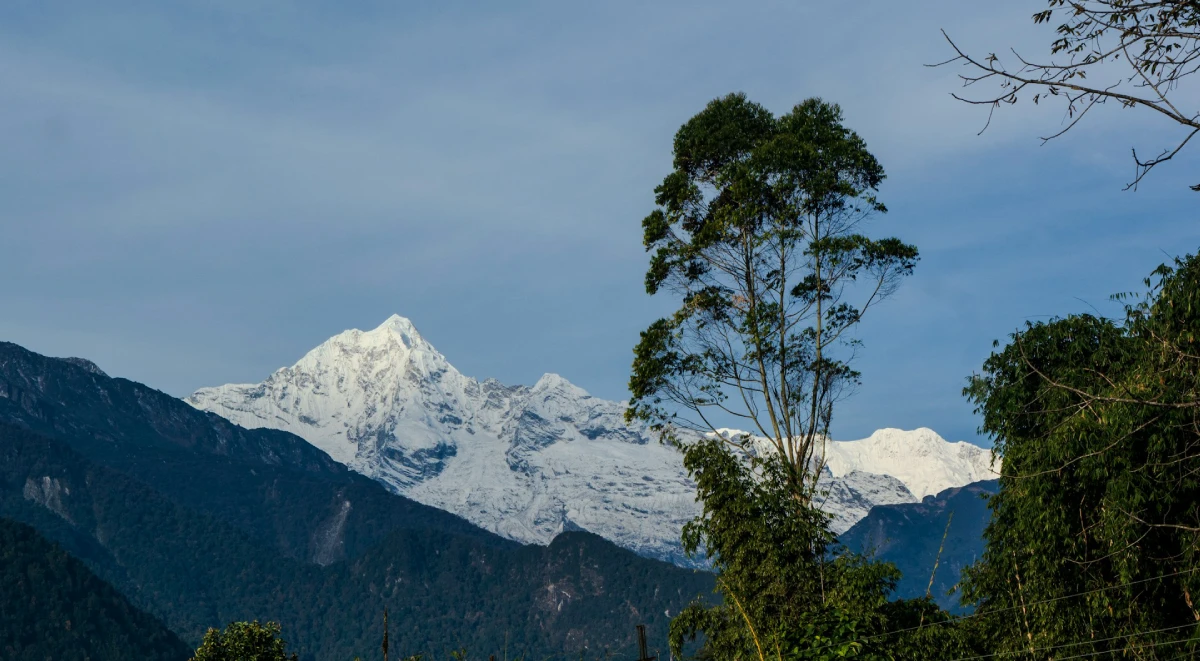
Straddling the border of Nepal and Sikkim (India), Mount Kanchenjunga stands at a staggering 8,586 meters (28,169 ft). Trekking its circuit means stepping away from the crowds and immersing yourself in a pristine Himalayan ecosystem that has remained virtually unchanged for decades.
Quick Facts: Kanchenjunga Circuit Trek
| Feature | Details |
| Duration | 25-27 Days |
| Max Altitude | 5,143 m (16,873 ft) at Pangpema (North Base Camp) |
| Difficulty | Challenging |
| Accommodation | Teahouses and local lodges |
| Permits Required | Kanchenjunga Restricted Area Permit & KCAP Permit |
Why Choose the Kanchenjunga Circuit?
If you are an experienced trekker looking to elevate your trekking in Nepal, this circuit delivers an unmatched experience.While classic routes like Everest and Annapurna are spectacular, Kanchenjunga offers the raw, untouched magic of the Himalayas as they were decades ago.
Here is why this remote expedition should be at the top of your bucket list:
-
Uncrowded, Off-the-Beaten-Path Trails
Forget the busy trails and crowded teahouses of Nepal’s mainstream trekking regions. The Kanchenjunga Circuit is the pinnacle of off-the-beaten-path treks in Nepal. Because the region requires special restricted area permits and a minimum of two trekkers alongside a licensed local guide, visitor numbers are strictly controlled. You might only pass a handful of other trekking groups during your entire three-week journey, granting you a profound sense of solitude and a genuine wilderness experience in the shadows of the world’s third-highest peak.
-
Two Epic Base Camps
Most Himalayan treks culminate at a single destination, but the Kanchenjunga Circuit is entirely different—it loops around the colossal Kanchenjunga massif, allowing you to experience the mountain from two entirely different perspectives:
- North Base Camp (Pangpema – 5,143m): Offers dramatic, intimidating, and up-close views of Kanchenjunga’s towering north face.
- South Base Camp (Oktang/Yalung – 4,730m): Provides a sweeping, panoramic amphitheater of 7,000 and 8,000-meter peaks, including spectacular views of Mount Jannu (Kumbhakarna) and the sprawling Yalung Glacier.
-
Thrilling High-Altitude Mountain Passes
Connecting the North and South base camps is a series of exhilarating, adrenaline-pumping high mountain passes. The crossing of the Sele La pass system—which includes the Sinion La, Mirgin La (4,663m), and Sinelapche Bhanjyang—is a highlight for thrill-seekers. Navigating these rugged, rocky traverses rewards trekkers with sweeping vistas of Mount Makalu (the world’s fifth-highest peak) and the distant Everest range on clear days. It is a brilliant test of endurance that appeals to anyone looking for challenging high-altitude treks in Nepal.
-
Incredible Biodiversity
Because the trail spans massive variations in elevation—from lush lowlands at 1,200 meters to glacial moraines above 5,100 meters—the flora and fauna are astonishingly diverse. The trail winds through the Kanchenjunga Conservation Area (KCA), a WWF-classified Global Ecoregion. You will transition from subtropical cardamom farms to dense, ancient forests of rhododendron, oak, and orchids, eventually emerging into barren alpine tundra. If you are lucky, you might spot rare wildlife native to the eastern Himalayas, including the red panda, Himalayan black bear, blue sheep (bharal), and perhaps even the tracks of the elusive snow leopard.
-
Authentic Cultural Immersion
Because the eastern Himalayas have not been heavily commercialized by mass tourism, the cultural landscape along the Kanchenjunga trail remains deeply authentic.
- The Lower Valleys: As you begin your trek, you will hike through vibrant, terraced farming communities inhabited by the Kirati people (Rai and Limbu ethnic groups), experiencing their unique Hindu and animist traditions.
- The High Valleys: As you ascend towards the base camps, the culture shifts dramatically to Tibetan Buddhism. You will pass ancient chortens, spinning prayer wheels, and stone-built yak-herding settlements like the picturesque Ghunsa village.
Best Time to Trek the Kanchenjunga Circuit
Because of the extreme altitudes and the raw, remote terrain of the eastern Himalayas, choosing the right Kanchenjunga trekking season is critical for both safety and visibility. The region has two primary weather windows that offer the best conditions for this high-altitude expedition.
- Autumn (Late September to November) – The Best Visibility Autumn is widely considered the best time to trek the Kanchenjunga Circuit. Following the heavy summer monsoons, the skies are completely washed clean, resulting in the crispest air and the most spectacular, uninterrupted mountain views of the year.
- Temperatures: Daytime temperatures at lower elevations hover around a comfortable 15°C to 20°C (59°F to 68°F). However, be prepared for night temperatures at higher camps (like Pangpema) to drop to -10°C (14°F) or lower.
- Why choose Autumn: The weather is highly stable, the trails are relatively dry, and the risk of unexpected snowfall blocking the high mountain passes is significantly lower than in other seasons.
- Spring (March to May) – A Botanist’s Dream Spring is the second most popular trekking season in Nepal. While the high peaks might occasionally be obscured by afternoon clouds, the lower trails are at their most beautiful.
- The Landscape: As the snow melts, the Kanchenjunga Conservation Area bursts into vibrant life. You will hike through massive, ancient forests of blooming red, pink, and white rhododendrons, magnolias, and wild orchids.
- Wildlife: Spring is an excellent time for wildlife spotting, as animals wake from winter dormancy and move through the lush valleys. Temperatures are generally warmer, making the high-altitude camping and teahouse stays slightly more comfortable.
When to Avoid the Trek:
- Winter (December to February): Winter treks are virtually impossible. Temperatures at base camp regularly plummet to -20°C (-4°F), and heavy, deep snow completely blocks the crucial high passes (like the Mirgin La), forcing trekkers to turn back.
- Summer/Monsoon (June to early September): Heavy monsoon rains trigger landslides, wash away trails, and cause rivers to swell dangerously. The lower forests also become heavily infested with leeches, and thick clouds obscure the mountains entirely.
How Difficult is the Kanchenjunga Circuit Trek?
When assessing the Kanchenjunga Circuit Trek difficulty, it is important to know that this is one of Nepal’s most demanding teahouse treks. It is significantly harder than the classic Everest Base Camp or Annapurna Circuit treks.
Here is a breakdown of what makes the Kanchenjunga trek so challenging—and how to prepare for it:
-
Distance and Duration
This is an endurance marathon, not a sprint. The complete circuit covers approximately 200 to 220 kilometers (124–136 miles) over the course of 20 to 24 days. You must be prepared to walk for 6 to 9 hours every day over rugged, uneven, and often scree-covered trails. The sheer cumulative fatigue of trekking for three weeks straight requires excellent physical stamina.
-
Extreme Altitude and High Passes
The trek takes you to a maximum elevation of 5,143 meters (16,873 ft) at the North Base Camp. Above 3,000 meters, oxygen levels drop drastically, increasing the risk of Acute Mountain Sickness (AMS).
Furthermore, crossing from the north to the south base camp involves a brutal, soul-crushing day where you must traverse four high-altitude mountain passes in a single push (including the Sele La and Mirgin La). This section alone can take 10 to 12 hours of steep ascents and descents through thin air and unpredictable winds.
-
Remote, Rugged Terrain
Unlike the well-trodden paths of the Khumbu (Everest) region, the trails here are raw, zigzagging, and sometimes poorly maintained. Amenities are incredibly basic. Wi-Fi is practically non-existent, mobile signals die early on, and teahouses offer only the bare minimum of comfort. You are truly off the grid, which requires immense mental resilience.
Mandatory Permits and Regulations
Because Kanchenjunga borders Tibet (China) and Sikkim (India), it is heavily regulated by the Nepalese government.
- No Solo Trekking: Independent trekking is strictly forbidden. You must trek with a government-registered, licensed local guide.
- Permits Required: You will need a Kanchenjunga Restricted Area Permit (RAP) and a Kanchenjunga Conservation Area Project (KCAP) Permit. Navigating the bureaucracy can be complex, but booking through a reputable trekking agency ensures all your paperwork, logistics, and safety protocols are expertly handled.